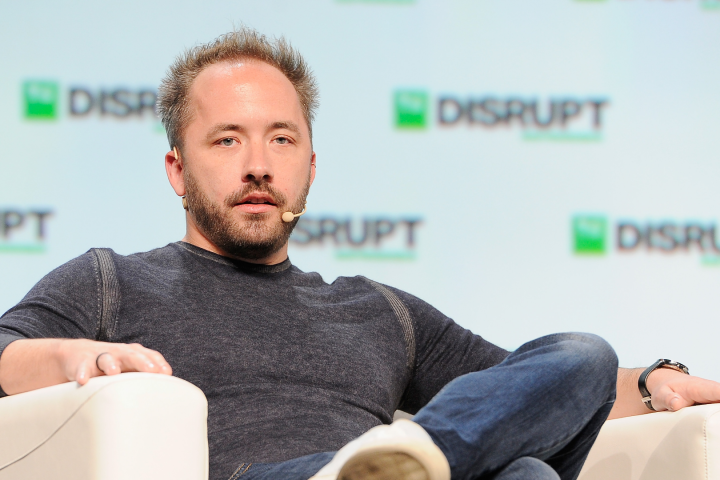



Stripe is a financial infrastructure company that lets businesses accept payments online and in person, send payouts and manage billing, tax and other money tasks through one platform. It has dual headquarters in San Francisco and Dublin.
The company matters because of its scale. Businesses on Stripe generated $1.9 trillion in total volume in 2025, which Stripe puts at about 1.6 percent of global GDP, and a February 2026 share sale for staff valued it at $159 billion.

Overview and Founding
Stripe was founded in 2010 by Patrick Collison and John Collison, who had earlier sold their first software company, Auctomatic, to Live Current Media. The Irish Times reported that Stripe began offering its services in 2011, starting in the United States.
Early backers included Peter Thiel, Elon Musk, Sequoia Capital, Andreessen Horowitz and SV Angel, which together put about $2 million into the company in 2011, according to TechCrunch. The company states its mission as “to increase the GDP of the internet”.
Stripe remains privately held. In February 2026 it arranged a tender offer, in which investors led by Thrive Capital, Coatue and a16z, along with the company itself, buy shares from current and former employees.
Key Milestones
- 2010: Patrick Collison and John Collison found Stripe.
- 2011: Stripe raises about $2 million from early investors and starts serving businesses in the United States.
- 2016: Stripe Atlas opens as an invite-only beta, helping founders anywhere form a company in Delaware.
- 2024: Total payment volume reaches $1.4 trillion and the company reports that it is profitable.
- 2025: Stripe completes its acquisition of Bridge, a stablecoin infrastructure company, in February.
- 2025: Stripe buys Privy, a wallet provider, in July and unveils the Tempo payments blockchain with Paradigm in September.
- 2026: Stripe publishes its 2025 annual letter and announces a tender offer at a $159 billion valuation in February.
What It Does
At its core, Stripe processes card and other payments for online shops, software companies and marketplaces. Developers connect it to a website or app, and Stripe handles the movement of money between buyers, sellers and banks.
The product range now goes well beyond checkout. Stripe sells billing, invoicing and tax tools, along with Atlas, a service for forming a United States company. Its Revenue suite, which groups Billing, Invoicing and Tax, was on track to reach a $1 billion annual run rate in 2026.
Stripe also builds tools for new forms of money. Through Bridge and Privy it offers stablecoin accounts and programmable wallets, and Tempo is a blockchain designed for payments that it incubated with the investment firm Paradigm.
The topic is also on the agenda in the Kingdom, where officials are preparing to integrate stablecoins into the financial system.
Its customers range from new start-ups to large companies. Stripe says it powers more than 5 million businesses, including 90 percent of the Dow Jones Industrial Average and 80 percent of the Nasdaq 100. It supports more than 135 currencies and payment methods and is available to businesses in more than 50 countries.
Stripe has offices in London, Paris, Singapore and Tokyo, among other cities, in addition to its two headquarters.
In Numbers
- Total volume processed by businesses on Stripe: $1.9 trillion, up 34 percent (2025)
- Total payment volume: $1.4 trillion, up 38 percent (2024)
- Businesses served: more than 5 million (2025)
- Stablecoin payment volume: about $400 billion, double the year before (2025)
- Product updates released: more than 350 (2025)
- Valuation in employee tender offer: $159 billion (February 2026)
Leadership
Patrick Collison is co-founder and chief executive officer. John Collison is co-founder and president, Will Gaybrick is president, technology and business, and Steffan Tomlinson is chief financial officer.
The board of directors includes both co-founders and independent directors Christa Davies, who is lead independent director, Bill Winters, Kevin Kelly, Luciana Lixandru, Matthew Huang and Parker Conrad.
Financial technology is also among the leading areas for startup funding in the region, as our report on fintech and AI startup funding across the MENA region shows.
References
Internal
- Patrick Collison, Stripe Chief Executive Who Built a Global Payments Platform
- Elon Musk: Biography, Companies, and Career Journey
- Saudi Arabia Prepares to Integrate Stablecoins into Financial System to Boost Foreign Investment
- Fintech and AI Lead Startup Funding Across MENA Region
External