

The Netherlands can play a valuable role in supporting Saudi Arabia’s ambitions in clean and green energy, while the Kingdom’s capital, market scale and investment capabilities could help accelerate joint projects, according to former Dutch diplomat and Arabian Peninsula scholar Marcel Kurpershoek.
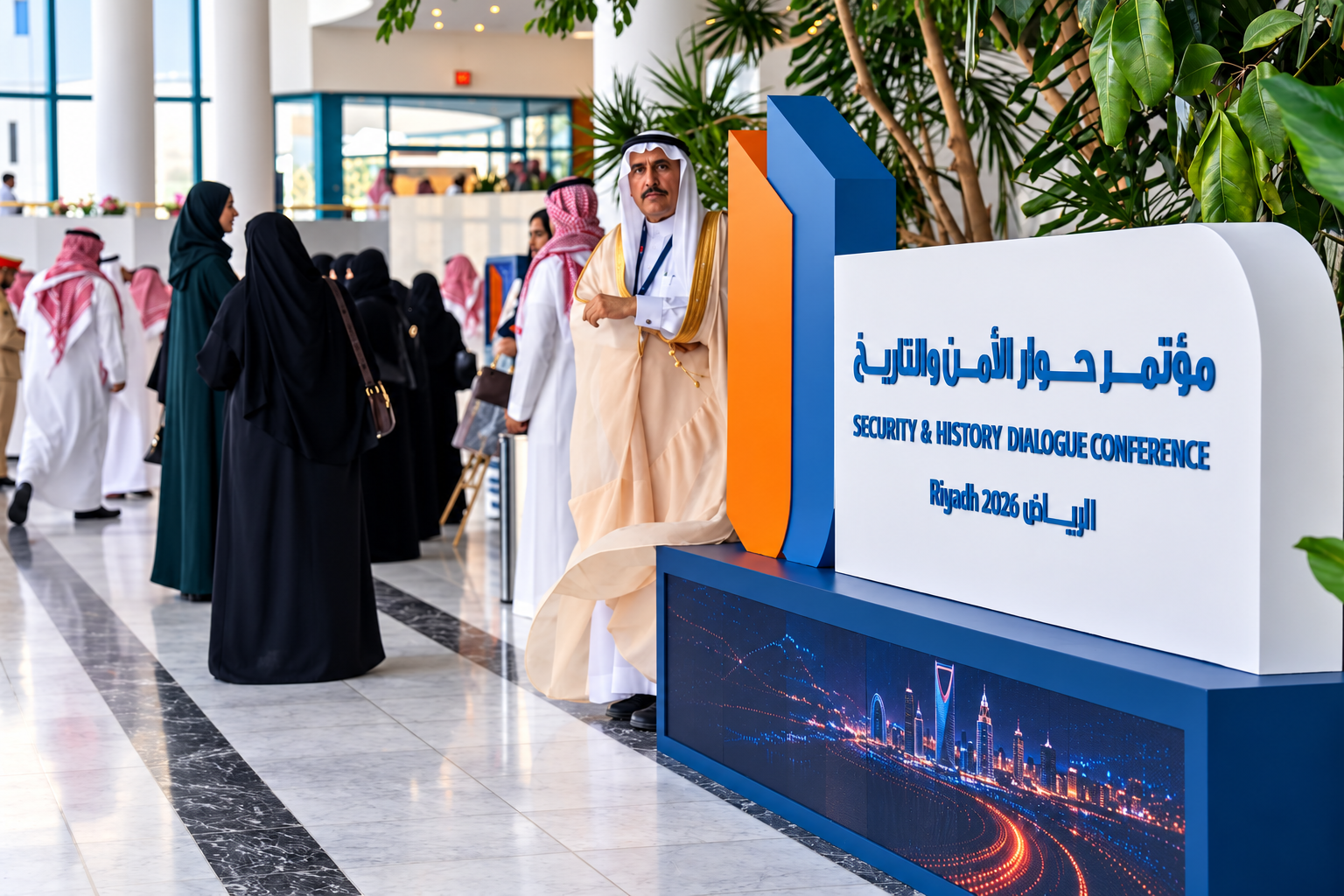
Kurpershoek made the remarks during the Security and History Dialogue Conference in Riyadh, organized by the Ministry of Interior from Sept. 6 to 8 and bringing together more than 160 experts and specialists from Saudi Arabia and abroad.
Clean Energy at the Center of Future Cooperation
Kurpershoek said the historical relationship between Saudi Arabia and the Netherlands provides a foundation for expanding cooperation in green energy, culture and economic development.
While the Netherlands cannot make a major contribution to Saudi oil and gas production, he argued that it can offer substantial technical expertise in green and clean energy.
The opportunity comes as Saudi Arabia maintains a pivotal role in global energy markets while pursuing a broad economic transformation under Vision 2030, including investments in renewable energy, sustainability and low-emission technologies.
Saudi Capital Meets Dutch Expertise
Kurpershoek highlighted the complementary strengths of the two countries.
Developing green energy requires substantial capital, he said, while Saudi Arabia has both the financial resources and the ambition to invest in the sector.
The Netherlands, meanwhile, can contribute technical and technological expertise needed to develop clean-energy projects and supporting systems.
The potential partnership could therefore extend beyond investment to include technology transfer, knowledge exchange, skills development and joint projects capable of serving both markets.
A Relationship Built on History
Saudi-Dutch relations extend beyond today’s economic interests, with historical links dating back to the early 20th century.
Kurpershoek pointed to an early meeting between Dutch diplomat Daniel van der Meulen and King Abdulaziz in Jeddah in 1926 as an important moment in the relationship.
One of the central issues discussed at the time was the safety and comfort of pilgrims, particularly Muslims arriving from the Dutch East Indies, then under Dutch colonial rule.
The Hajj was therefore among the earliest practical areas of engagement between the two sides before their discussions expanded into economic and development issues.
From Banking to Clean Energy Cooperation
Kurpershoek also highlighted the economic dimension of the historic relationship.
Saudi Arabia had yet to establish a modern banking system at the time, while King Abdulaziz recognized the importance of banking infrastructure to economic modernization.
The Netherlands Trading Society opened a branch in Jeddah in 1926, which later became part of the history leading to Alawwal Bank.
For Kurpershoek, the historical experience offers an important lesson for future cooperation: economic partnerships depend not only on capital but also on trust.
That same principle, he argued, could underpin future cooperation in clean energy.
Clean Energy Is No Longer a Luxury
Kurpershoek stressed that the transition to clean energy is no longer simply an environmental preference.
He cited the Dieselgate emissions scandal involving Volkswagen in 2015, when software was used to manipulate emissions testing for diesel vehicles, as an example of the broader economic and environmental consequences of failing to meet environmental standards.
Clean energy, he argued, is increasingly tied to long-term economic and financial success rather than being viewed merely as an environmental luxury.
Electric Vehicles Connect Riyadh and the Netherlands
The two countries’ ambitions also overlap in low-emission transportation.
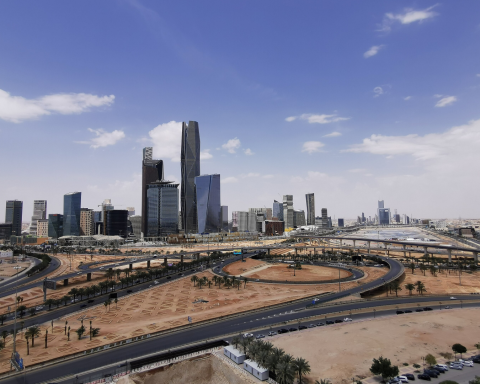
The Netherlands aims for 100 percent of new passenger car sales to be zero-emission vehicles by 2030, while Saudi Arabia has set a target for 30 percent of vehicles in Riyadh to run on electricity under its Vision 2030 ambitions.
The convergence could create additional opportunities for cooperation in electric vehicles, charging infrastructure, energy systems and smart-city technologies supporting cleaner transportation.
Culture as Another Bridge
Kurpershoek believes the relationship should extend beyond energy and economics.
His diplomatic and academic career has given him a distinctive perspective on Saudi Arabia. He served in the Dutch diplomatic service and later became ambassador to Pakistan, Afghanistan, Türkiye and Poland, while conducting extensive research into Arabian oral poetry, Bedouin culture and the region’s heritage.
He sees Saudi culture as an area with enormous potential for deeper international engagement.
The country’s cultural wealth, he suggested, is comparable to “unexplored oil” in terms of the opportunities it can create for international cultural exchange and cooperation.
Viewing Saudi Arabia Through King Abdulaziz’s Perspective
When considering Saudi Arabia’s future, Kurpershoek recommended viewing the Kingdom’s development through the perspective of King Abdulaziz.
He suggested asking what the founder of modern Saudi Arabia might think about today’s developments, what he might do, what he might criticize and what he might seek to improve.
Such a historical lens, he argued, can provide useful insight into the Kingdom’s transformation, particularly in social and cultural fields.
A Partnership Spanning Energy, Economics and Culture
Kurpershoek’s comments highlight the broad potential of Saudi-Dutch relations in the years ahead.
As Saudi Arabia seeks to diversify its economy and invest in clean energy and advanced technologies, the Netherlands offers expertise that could support renewable energy, sustainable transportation and green technology.
Saudi Arabia, in turn, provides capital, market scale, investment capacity and the ambition to deliver projects at significant scale.
Combined with historical and cultural ties, the relationship could evolve beyond traditional economic cooperation into a broader partnership spanning investment, technology, sustainability, culture and knowledge.
As the global transition toward a lower-carbon economy accelerates, combining Saudi investment capabilities with Dutch technical expertise could create promising opportunities for joint projects capable of competing in international markets.