

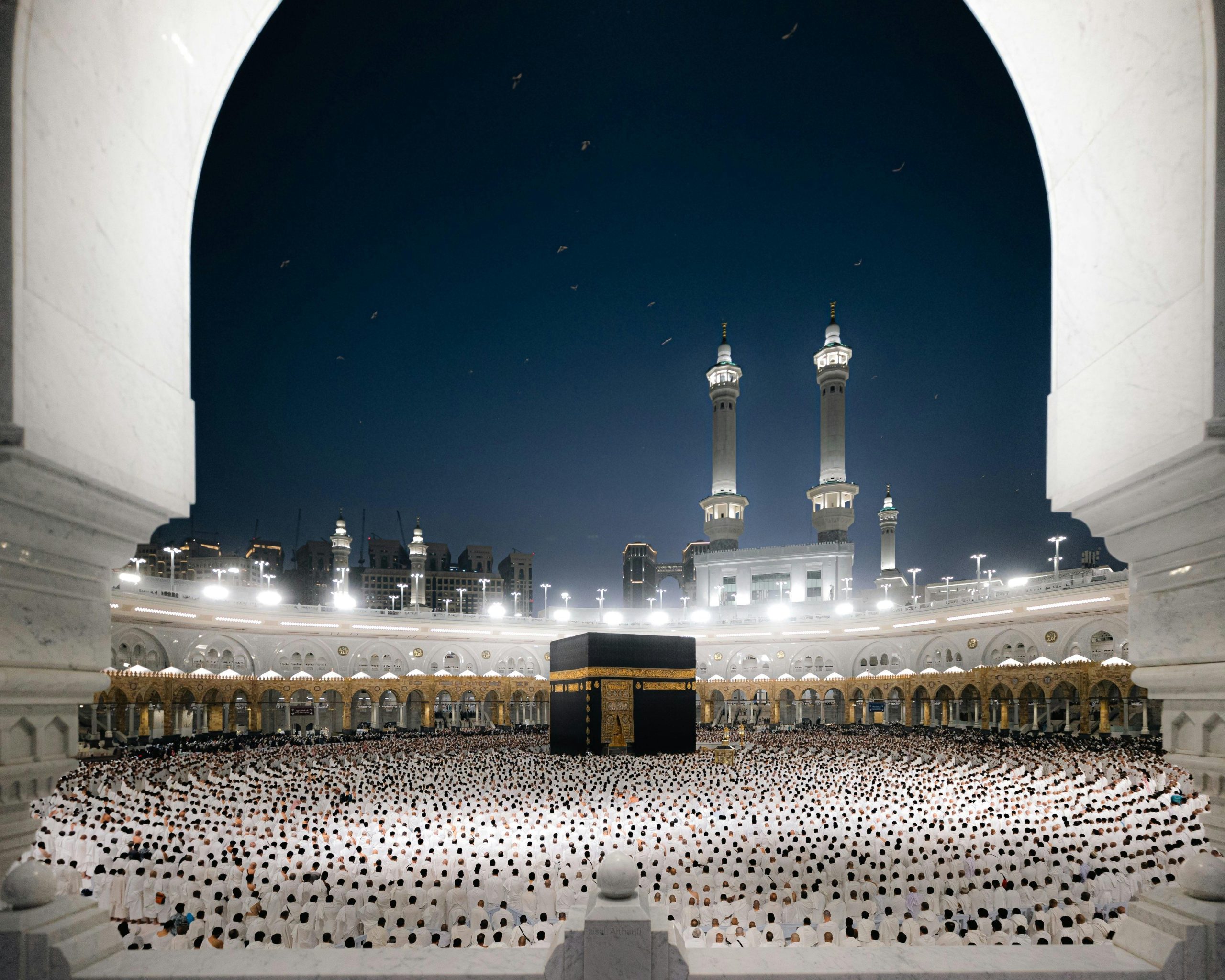
The Saudi Food and Drug Authority (SFDA) has approved its comprehensive operational plan for the upcoming Hajj season, aimed at ensuring the safety and quality of food, medicines, and medical devices provided to pilgrims, as part of an integrated system reflecting the Kingdom’s commitment to public health.
The authority emphasized that these preparations align with the leadership’s directives to prioritize pilgrims’ well-being, mobilizing all resources to deliver a safe and seamless Hajj experience.
Integrated Regulatory Framework
The plan focuses on strengthening supply chain oversight, enhancing field team readiness, intensifying inspection campaigns across regulated facilities, and reinforcing coordination with relevant government entities.
Specialized technical teams will operate around the clock across land, sea, and air entry points, ensuring strict monitoring of incoming goods, including air cargo belonging to Hajj missions. Advanced inspection points have been established at King Abdulaziz International Airport in Jeddah and Prince Mohammed bin Abdulaziz International Airport in Madinah.
Extensive Inspections and Monitoring
Oversight extends to food, pharmaceutical, and medical device facilities, with more than 1,400 inspection visits conducted in recent months to verify supply chain integrity and product safety.
Awareness and Compliance Initiatives
The SFDA has also organized awareness workshops in collaboration with the municipalities of Makkah and Madinah, the Ministry of Tourism, and the Public Health Authority. These initiatives targeted factory workers, catering staff, and government inspectors to ensure strict compliance with health standards and safe meal provision.
A Global Model in Hajj Management
The authority highlighted that its annual participation in Hajj operations is part of a unified government ecosystem dedicated to delivering world-class services, reinforcing the Kingdom’s global leadership in crowd management and pilgrim safety.