

Saudi Arabia is accelerating its transformation into a global logistics powerhouse through the launch of five new strategic freight corridors designed to strengthen supply chain resilience and enhance regional trade connectivity.
The initiative represents a major step toward positioning the Kingdom as a critical bridge linking Asia, Africa, and Europe while reducing dependence on vulnerable maritime routes.
Five Strategic Routes Connecting East and West
The new logistics network connects Gulf ports with central and northern regions of the Kingdom before extending to Red Sea ports through an integrated multimodal transportation system that combines railways, road transport, and advanced logistics services.
These routes are designed to facilitate the movement of various types of cargo while supporting key industries such as petrochemicals, mining, manufacturing, and international trade.
Strengthening Supply Chain Security
Industry experts view the project as more than a transportation upgrade.
The new corridors create a more diversified and resilient logistics ecosystem capable of maintaining trade flows during disruptions affecting traditional shipping routes.
By offering alternative pathways for cargo movement, Saudi Arabia is enhancing regional supply chain security and reducing operational risks for businesses and trading partners.
Strategic Role of Saudi Ports
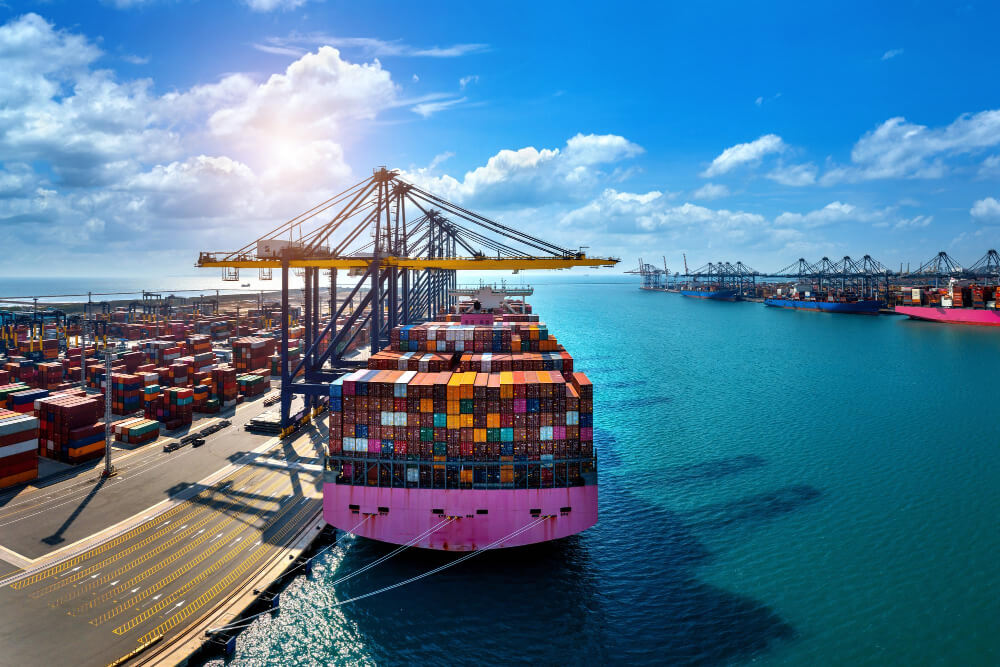
The Kingdom’s ports continue to play a crucial role in supporting international trade and ensuring uninterrupted cargo movement.
Red Sea ports, including Jeddah Islamic Port, King Abdullah Port, and Yanbu Commercial Port, have become increasingly important gateways connecting Saudi Arabia directly to global markets through the Suez Canal.
Meanwhile, King Abdulaziz Port in Dammam has strengthened its position as a regional hub for storage, distribution, and re-export activities across the Gulf region.
Digital Infrastructure and Artificial Intelligence
A key strength of Saudi Arabia’s logistics transformation lies in its advanced digital infrastructure.
Modern logistics operations utilize real-time cargo tracking systems, smart warehouse management platforms, and AI-powered analytics capable of forecasting congestion and optimizing freight routes.
These technologies improve efficiency, reduce operational costs, and enhance the reliability of supply chains across the Kingdom.
Supporting Vision 2030
The new logistics corridors align closely with Saudi Vision 2030 objectives, which aim to establish the Kingdom as a leading global logistics center and a major hub for international trade.
With continued investment in transportation infrastructure, railway networks, ports, and digital technologies, Saudi Arabia is positioning itself at the forefront of a new era in global logistics built on flexibility, connectivity, and long-term sustainability.