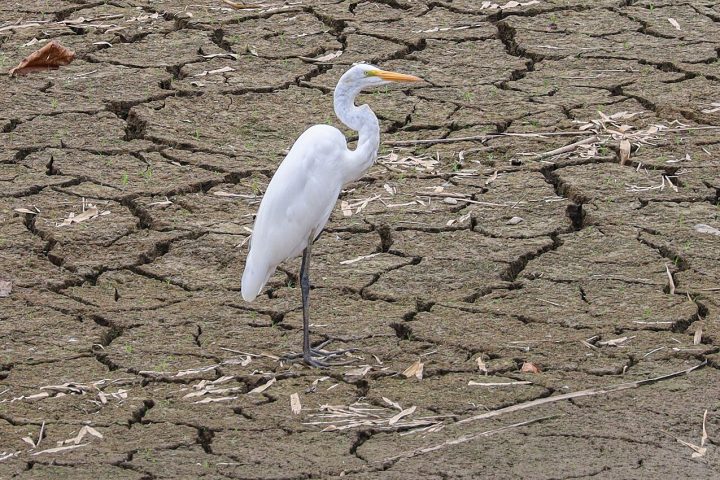



Saudi Arabia continues to strengthen its position as one of the world’s most important safe havens for migratory birds, benefiting from its strategic location along major migration routes connecting Asia, Europe, and Africa.
As the world marks World Migratory Bird Day, the Kingdom is expanding its environmental efforts to protect wildlife and preserve the ecosystems relied upon by millions of birds during their long annual journeys.
One of the most significant examples of these efforts is Imam Turki bin Abdullah Royal Reserve, which spans nearly 91,500 square kilometers and hosts more than 184 recorded bird species, representing a large portion of Saudi Arabia’s avian biodiversity.
The reserve provides critical resting and feeding habitats through natural water sources and protected vegetation that support both migratory and resident bird populations.
Environmental authorities are also implementing conservation programs aimed at protecting endangered species, including breeding initiatives for the Red-necked ostrich and future projects focused on preserving the Houbara bustard.
Monitoring and protection efforts rely on advanced technologies such as drones, thermal imaging cameras, remote sensing systems, and continuous field observation to track bird movement and environmental changes more accurately.
As part of broader ecological restoration efforts, captive-bred bird populations are gradually being reintroduced into natural habitats, while specialists monitor their adaptation and survival to ensure the success of conservation programs.
Saudi Arabia’s environmental initiatives extend beyond protected reserves and include stronger anti-poaching regulations, wildlife protection policies, and efforts to combat illegal trafficking of endangered species.
These initiatives have earned the Kingdom international recognition in recent years for its growing role in protecting migratory wildlife.
Experts also note that migratory birds continue to face modern threats, including power lines and harmful human behavior such as disturbing nesting areas or operating drones near bird gatherings.
To address these risks, authorities are working on additional protective measures, including insulating power infrastructure in sensitive areas, expanding protected zones, and increasing public awareness about wildlife conservation.
These environmental efforts align closely with Saudi Vision 2030, which places sustainability and biodiversity protection at the center of the Kingdom’s long-term development plans.
As research, monitoring, and conservation programs continue to grow, Saudi Arabia is increasingly positioning itself as a critical and secure refuge for millions of migratory birds crossing the region each year in one of nature’s most remarkable phenomena.