

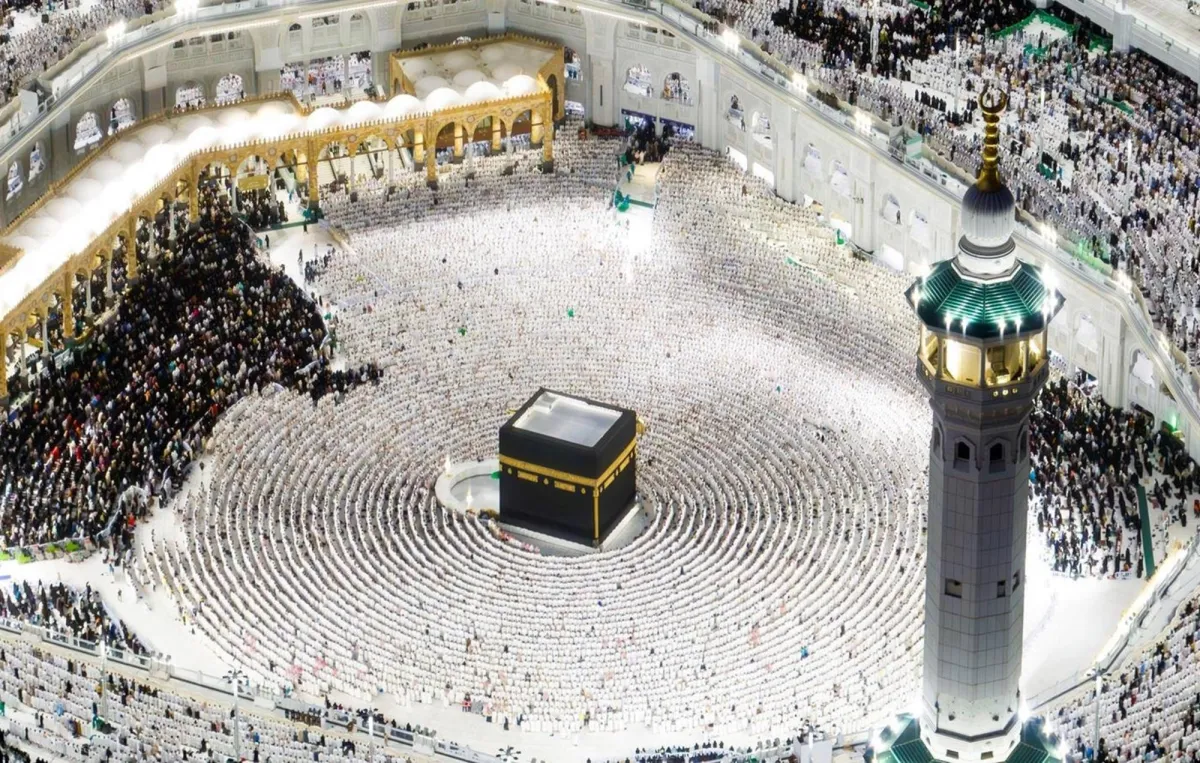
As millions of worshippers descend upon the Grand Mosque in Makkah during the holy month of Ramadan, Saudi Arabia has unveiled a sweeping set of operational guidelines designed to ensure the safety, comfort, and spiritual fulfillment of every Umrah pilgrim.
The measures, announced by Saudi authorities ahead of the peak Ramadan period, represent one of the most detailed crowd management and safety frameworks ever deployed at the Grand Mosque. From digital navigation tools to dedicated pathways for elderly visitors, the Kingdom is signaling its readiness to welcome the world with precision and care.
Smart Crowd Management in the Heart of Makkah
Central to the new guidelines is an advanced crowd control system at mosque entrances. Digital indicators now display real-time capacity information, showing green when prayer areas are accessible and red when they have reached full capacity. This innovation allows worshippers to make informed decisions about entry points and timing, reducing congestion at peak hours.
Authorities have urged pilgrims to follow directions from security personnel and respect designated pedestrian routes. The central area around the Grand Mosque traditionally experiences the heaviest congestion before and after prayer times, particularly during the last ten nights of Ramadan when spiritual devotion reaches its peak.
Transport Overhaul and Vehicle Restrictions
Private vehicles now face strict restrictions in central zones during peak hours. In their place, Saudi Arabia has expanded public transport options including dedicated shuttle services, taxis, and the Haramain high-speed railway connecting Makkah with Madinah and Jeddah. Parking facilities on the city outskirts feed into the shuttle network, keeping the sacred precinct accessible yet uncrowded.
Motorcycles, bicycles, and unauthorized vehicles have been banned entirely from central pedestrian areas, a move aimed at protecting the millions of worshippers navigating the area on foot.
Priority Access for Elderly and Vulnerable Visitors
Saudi Arabia has introduced designated prayer areas, priority pathways, and electric cart services for elderly worshippers and people of determination. These accommodations reflect the Kingdom’s commitment to ensuring that every visitor, regardless of age or ability, can perform Umrah with dignity and ease. Families have also been advised to exercise caution when bringing children into densely crowded zones during peak prayer times.
Health, Safety, and Security Protocols
The operational plan extends well beyond crowd management. Health authorities have positioned medical teams and mobile clinics throughout the Grand Mosque precinct, urging pilgrims to stay hydrated, rest adequately, and seek immediate medical attention if needed. Fire safety protocols require visitors to familiarize themselves with emergency exits in their accommodation.
On the security front, pilgrims must obtain official Umrah permits digitally and comply with scheduling systems designed to distribute visitor flows evenly. Prohibited activities include carrying weapons, smoking within the mosque precinct, begging, unauthorized selling, and blocking pedestrian movement. Authorities have asked worshippers to report any suspicious activity immediately.
A Ramadan Like No Other
The scale of these preparations underscores Saudi Arabia’s growing expertise in managing mass religious gatherings. With each passing year, the Kingdom refines its approach, blending centuries-old hospitality traditions with cutting-edge technology. For the millions of Muslims traveling to Makkah this Ramadan, these guidelines are more than rules. They are a promise that the spiritual journey will be met with the highest standards of organization and care.