

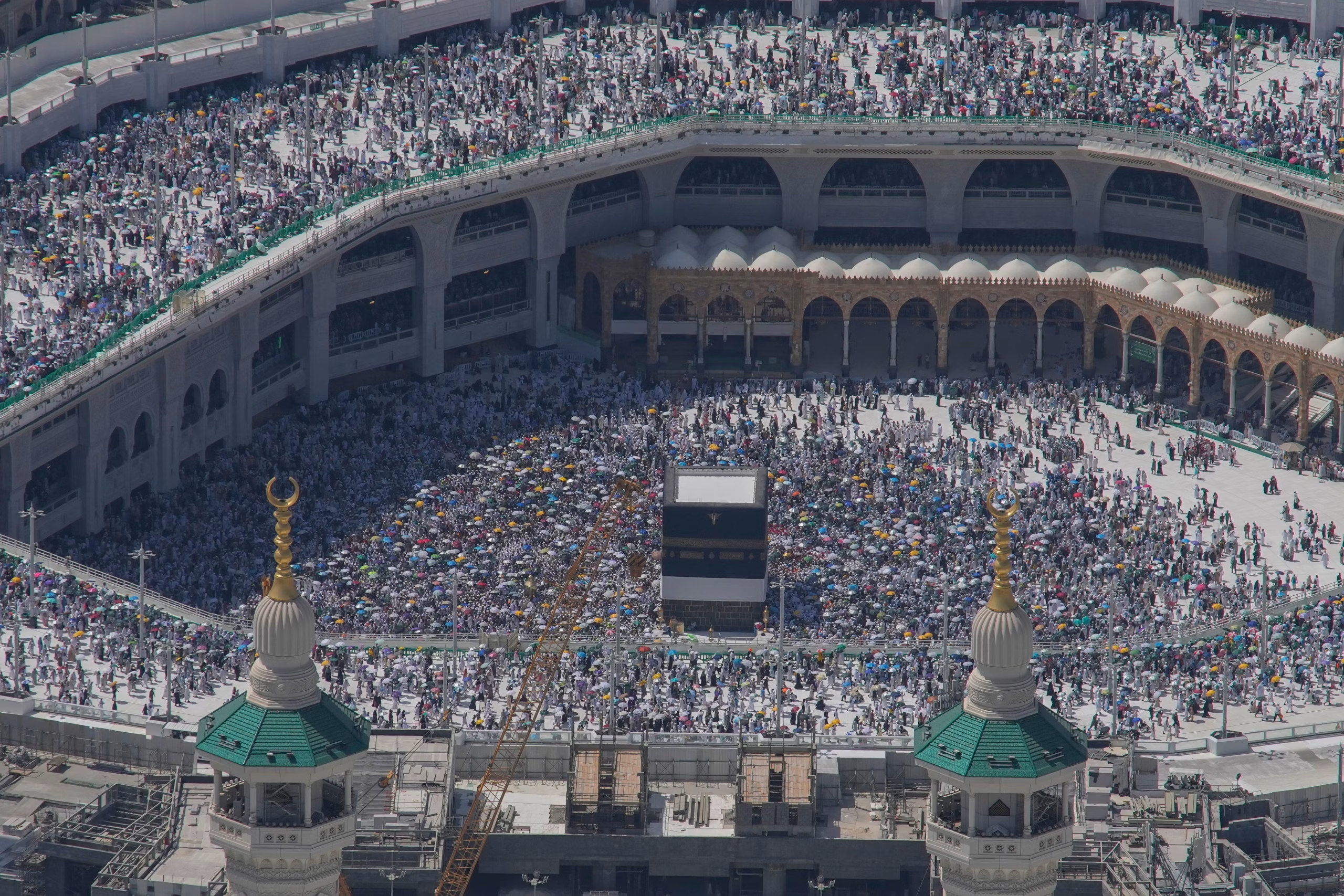
Saudi Arabia has finalised what is being described as the most comprehensive transport and logistics mobilisation in the history of the Hajj season, with the Ministry of Transport and Logistics confirming the full activation of an integrated network spanning air, rail, road and sea to serve pilgrims during Hajj 1447.
By Air: Three Million Seats and Beyond
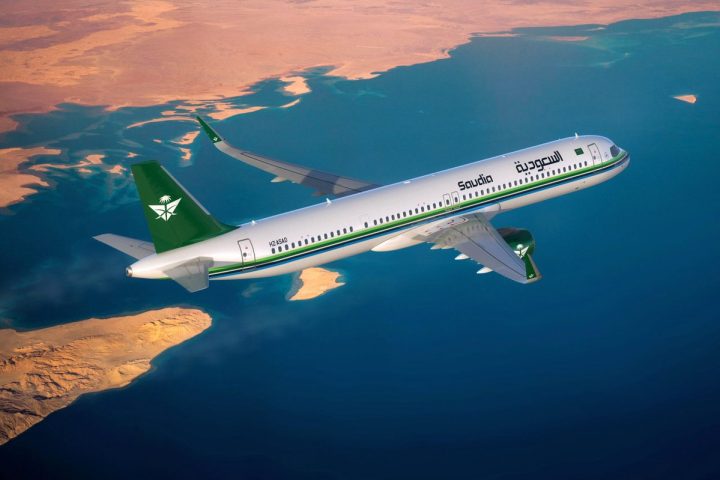
At the heart of the operation is an aviation network of extraordinary scale. More than 3.1 million airline seats have been allocated across over 12,000 scheduled and charter flights, with regulatory teams deployed to airports and carriers to ensure performance standards are met throughout the season. Six airports have been designated to receive Hajj flights, staffed by a dedicated workforce of more than 22,000 professionals.
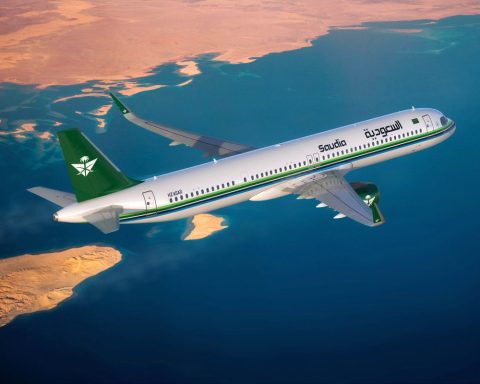
National carrier Saudia has allocated over one million seats, supported by a suite of advanced digital services, while flynas has committed to transporting hundreds of thousands of pilgrims including more than 147,000 from 20 international destinations. Two new services are being introduced this season: a “baggage-free traveller” scheme allows luggage to be shipped directly from accommodation to its destination, and expanded pre-shipment of Zamzam water is on offer to reduce the burden on travelling pilgrims.
By Rail: Millions More Served on Track
Saudi Arabia Railways has scheduled more than 2,000 train journeys for the Mashair train, which serves the holy sites of Mina, Muzdalifah and Arafat, with total capacity projected to exceed two million passengers during the peak of the season. The Haramain high-speed railway, connecting Makkah and Madinah via King Abdulaziz International Airport, has been programmed to operate 5,308 journeys with seating capacity surpassing 2.2 million across the Hajj period.
Road, Sea and Logistics Round Out the Plan
On the roads, authorities have undertaken extensive preparatory work including the clearing of more than 56 million cubic metres of sand dunes, the servicing of 178,000 lighting units and the installation of over 4,000 directional and warning signs. Public transport for pilgrims on the ground has been reinforced with a fleet of more than 33,000 buses and 5,000 taxis, all subject to heightened safety inspections ahead of the season.
At sea, Jeddah Islamic Port has been fully prepared to receive pilgrims arriving by ship, with dedicated teams assigned to streamline both arrival and departure procedures. Saudi Post has also scaled up its logistics operations, deploying trucks, delivery vehicles, electric scooters and motorbikes to manage demand in high-density areas including airports and hospitals. The National Transport Safety Center will maintain around-the-clock emergency and response teams across all transport sectors to ensure rapid intervention wherever required.