


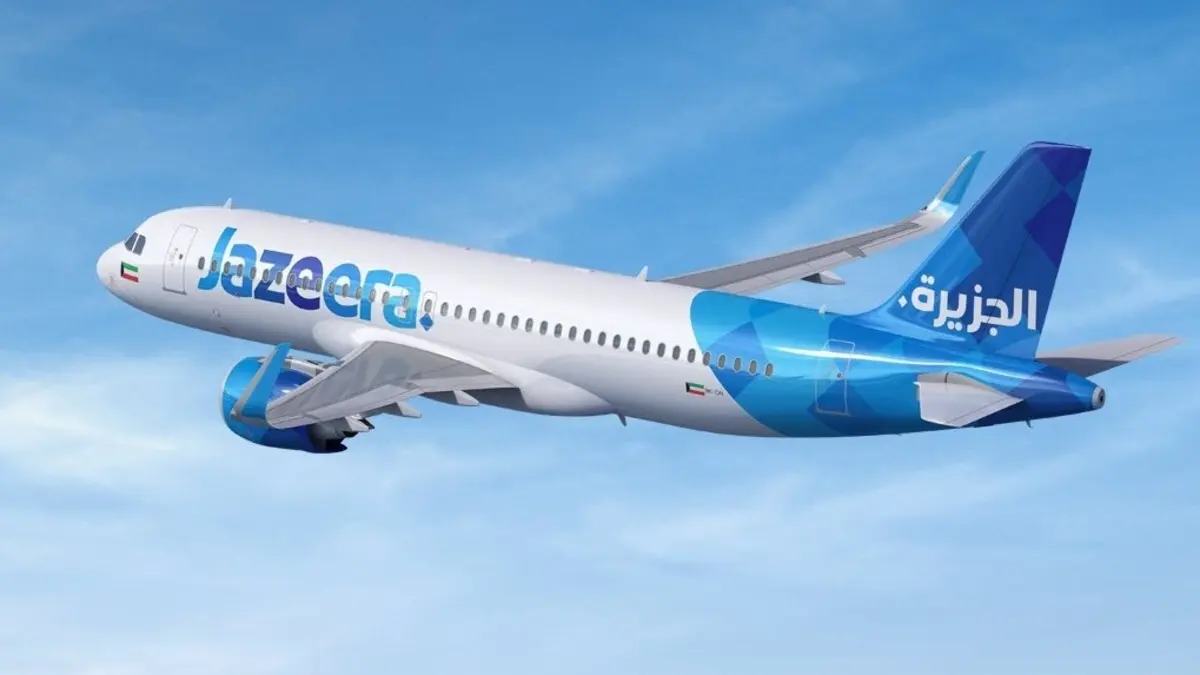
Saudi Arabia has taken another step in establishing itself as a cornerstone of regional aviation, with Kuwait’s Jazeera Airways this week launching a new service connecting Kuwait to Jeddah via Al Qaisumah–Hafar Al Batin Airport in the Kingdom’s Eastern Province. The launch of the three-times-weekly service on April 7 marks a meaningful expansion of Saudi Arabia’s role as an aviation transit corridor serving the broader Gulf region and beyond.
A New Gateway Through the Eastern Province
The newly introduced route breaks new ground by routing international traffic through Al Qaisumah–Hafar Al Batin Airport, a facility serving a strategically important area of northeastern Saudi Arabia. The stop not only connects Eastern Province travelers to Kuwait but also opens up onward international connections through the Kingdom’s growing network of airports. For Jazeera Airways, it represents the latest in a series of route expansions built around Saudi Arabia’s infrastructure.
The airline had also resumed twice-weekly services from Kuwait to Jeddah via King Fahd International Airport in Dammam, while introducing connections to Tbilisi and Egyptian Red Sea resorts, all structured around Saudi transit stops. The pattern underscores a growing industry recognition that Saudi Arabia’s airports are increasingly central to regional connectivity.
Saudi Arabia’s Aviation Ambitions Attracting International Partners
The expansion comes as Saudi Arabia continues to advance its Vision 2030 aviation strategy, which aims to grow the Kingdom into one of the world’s top five tourism and logistics destinations. A core component of that strategy involves transforming Saudi airports into major hubs capable of handling 330 million passengers annually by 2030, a target that requires substantial international airline participation.
By April 4, Jazeera Airways had extended its global network to 36 destinations, with several new routes, including services to Coimbatore in India and Peshawar and Sialkot in Pakistan, channeled through Saudi Arabia. This reliance on the Kingdom as a transit bridge between South Asia and the Gulf reinforces the strategic value of Saudi Arabia’s central geographic position between East and West.
Growing Regional Confidence in Saudi Infrastructure
For Gulf carriers, Saudi Arabia’s airports represent both commercial opportunity and operational reliability. King Fahd International Airport in Dammam, one of the largest airports in the world by land area, has emerged as a preferred transit point for airlines serving South Asian and East African markets. The addition of new destinations via Hafar Al Batin reflects a broader diversification of Saudi Arabia’s aviation geography, extending connectivity well beyond traditional hubs in Riyadh and Jeddah.
As the Kingdom prepares to host tens of millions of visitors for Hajj, Umrah, tourism events, and ultimately the 2034 FIFA World Cup, the development of a resilient, multi-node aviation infrastructure is not merely an ambition, it is becoming a reality, one new route at a time.