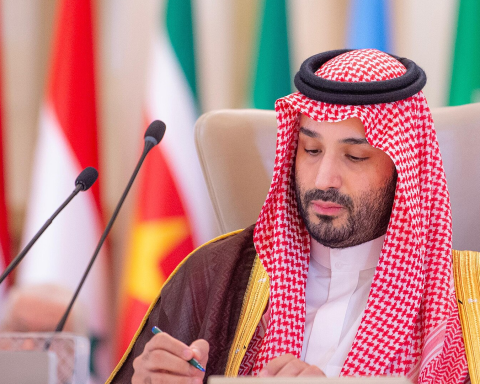


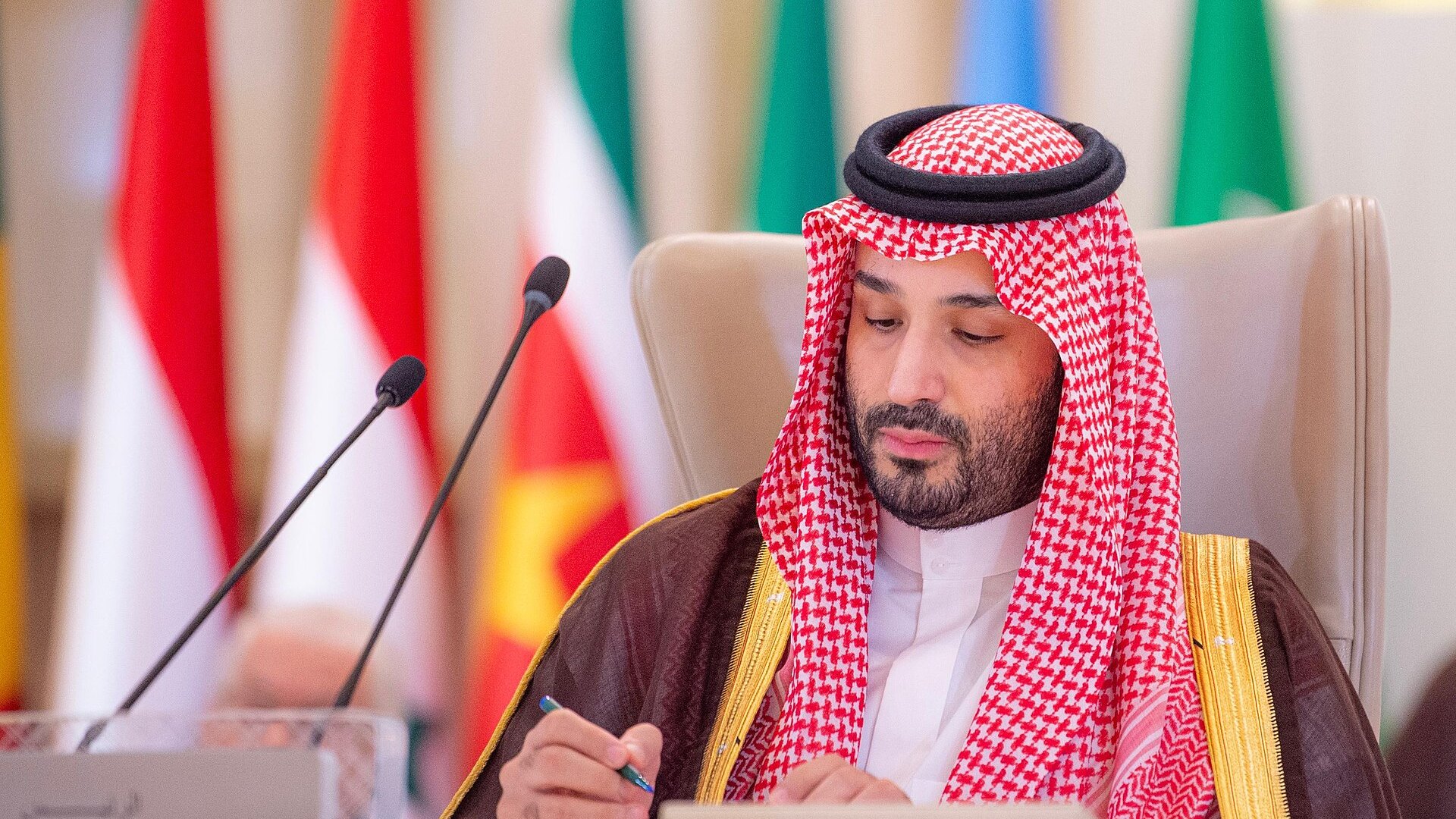
SAR 1,392.1 billion: that is the public spending the Cabinet approved for fiscal year 2027 at a session in Riyadh on Tuesday 24 November 2026, chaired by His Royal Highness Prince Mohammed bin Salman bin Abdulaziz Al Saud, Crown Prince and Prime Minister. Revenue is estimated at SAR 1,201.54 billion, leaving a projected deficit of SAR 190.56 billion.
In a statement after the approval, HRH the Crown Prince said the budget keeps the nation's progress and the interests of citizens at the top of the government's priorities, and that the third phase of Vision 2030 rests on the reforms of the first two. "We are maximizing the impact of the Vision on people's lives, transforming its achievements into a sustainable strength for our economy and renewed opportunities for future generations," he said, according to SPA. He also cited estimates of 2.5% real growth in non-oil activity in 2026. The Ministry of Finance's budget statement adds the detail:
- Deficit: about 3.6% of GDP in 2027, narrower than the roughly SAR 245 billion, or 4.9% of GDP, expected for this year.
- Debt: projected at about SAR 1,923 billion (35.9% of GDP) by the end of 2027, up from about SAR 1,733 billion (34.5%) a year earlier, with the gap funded through domestic and international borrowing.
- Growth: after a preliminary 2.1% contraction in real GDP in 2026, which the ministry links to regional geopolitical developments, the economy is forecast to expand 10.9% in 2027 as oil activity recovers, then 3.9% in 2028 and 5.7% in 2029.
- This year: 2026 revenue is expected at about SAR 1,191 billion, up 7.1%, against spending of about SAR 1,436 billion.
- Where the money goes: SAR 263 billion for the military, SAR 256 billion for health and social development, SAR 195 billion for education and SAR 93 billion for municipal services.
- Medium term: revenue of about SAR 1,351 billion and spending of about SAR 1,544 billion in 2029, with inflation put at 2.3% in 2027.
On the wider region, the Crown Prince said current geopolitical developments had shown the resilience of the national economy and its ability to adapt, and that the East-West pipeline and the western coast ports kept oil and non-oil exports moving. He said the Kingdom follows regional and global events closely, called national security and stability the basis for protecting development gains, and expressed his pride in the armed forces and security personnel, including those stationed on the Kingdom's borders.