

Saudi Arabia is strengthening environmental oversight of construction projects in Riyadh as part of efforts to reduce dust emissions and improve air quality across the capital amid rapid urban and infrastructure development.
The National Center for Environmental Compliance has imposed fines exceeding SR20 million ($5.25 million) on construction projects in Riyadh for violations related to dust pollution, following inspection campaigns carried out in cooperation with the Royal Commission for Riyadh City and Riyadh Municipality.
Round-the-Clock Environmental Monitoring
The measures form part of an initiative launched in February 2026 to control dust generated by construction activities and limit its impact on air quality in Riyadh.
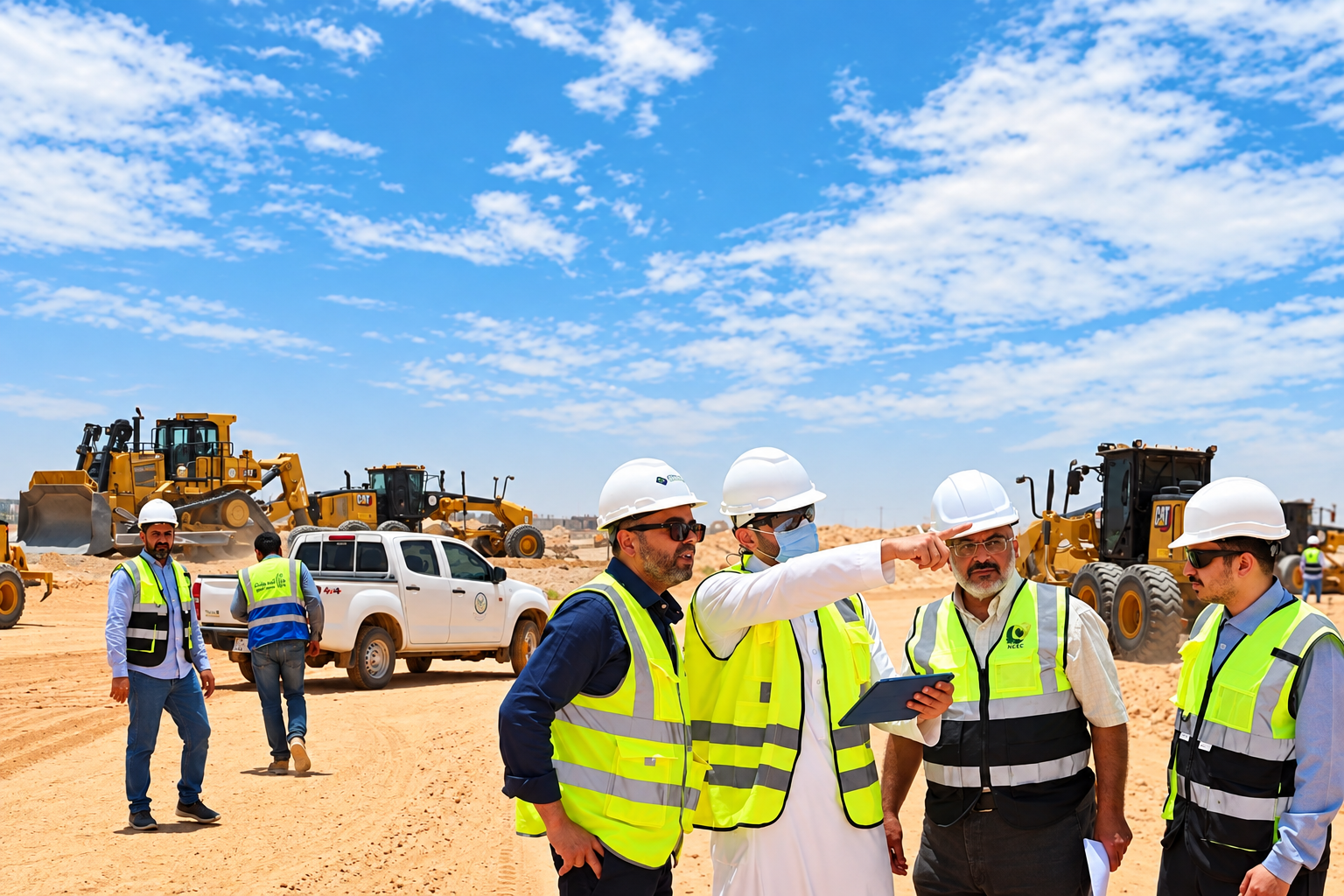
The center uses 12 fixed and four mobile monitoring stations to track dust pollution generated by construction sites.
The monitoring system operates 24 hours a day, seven days a week, allowing inspectors to identify offending locations accurately, assess pollution levels and take enforcement action against projects that fail to comply with environmental requirements.
Special Environmental Requirements for Construction Projects
In February, the National Center for Environmental Compliance, in cooperation with the Royal Commission for Riyadh City, introduced 11 special requirements aimed at controlling dust generated by construction activities.
The requirements apply to construction projects covering 2,000 square meters or more, with fines of up to SR50,000 for each violated requirement.
The measures include using dust suppressants and carrying out daily watering at construction sites, managing truck movements and ensuring that loads are properly covered during transportation.
Projects are also required to install air-quality monitoring equipment and connect it to the unified platform for monitoring dust generated by construction projects in Riyadh, in addition to submitting periodic environmental performance reports.
Technology at the Center of Dust Control
The use of fixed and mobile monitoring stations reflects a shift toward data-driven and real-time environmental monitoring, complementing traditional field inspections.
Combining monitoring stations with on-site inspections enables authorities to identify dust levels and pollution sources more accurately, strengthening their ability to link violations to specific construction sites and respond accordingly.
The center has also redistributed its air-quality monitoring stations according to the level of impact generated by major construction projects in Riyadh, allowing the monitoring network to focus more effectively on areas experiencing significant development activity.
Urban Growth Increases the Importance of Environmental Compliance
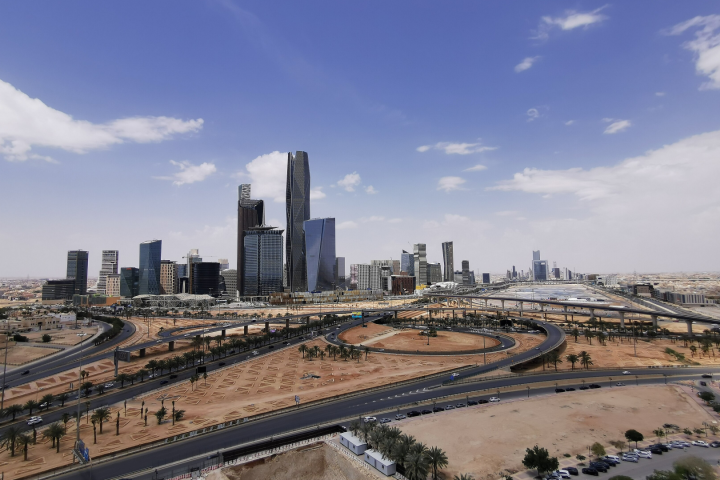
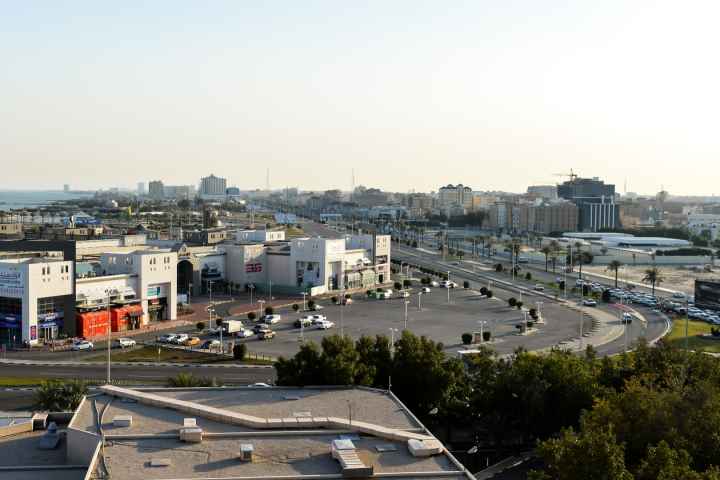
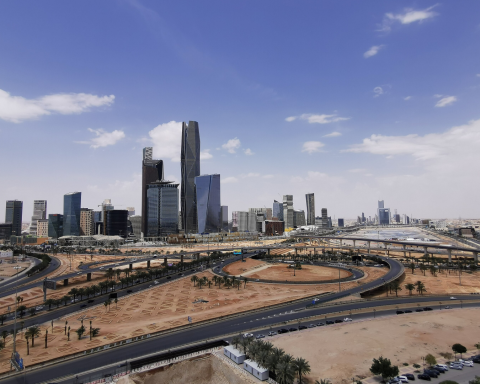
Riyadh is undergoing extensive urban and development activity, making the management of environmental impacts associated with construction an increasingly important part of sustainable urban planning.
Dust generated by excavation, construction and transportation activities can affect air quality, particularly when appropriate control measures are not implemented.
The new requirements therefore emphasize preventive action at construction sites rather than relying solely on measures taken after pollution occurs.
Fines as an Enforcement Tool
The financial penalties are part of a broader regulatory framework designed to raise environmental compliance levels and encourage construction projects to implement dust-control measures consistently.
The more than SR20 million in fines announced by the center demonstrate the level of regulatory attention being given to construction-related dust pollution in the capital.
At the same time, complying with the required measures allows projects to avoid violations while continuing their development activities within the established environmental framework.
Continuous Monitoring of Development Activities
The center has emphasized that real-time monitoring of air-quality indicators continues across development activities throughout Saudi Arabia under the executive regulations governing air quality.
The special dust-control measures introduced in Riyadh come as the capital experiences continued growth in development and construction projects.
This approach reflects a broader effort to integrate environmental considerations into project execution, particularly in cities experiencing rapid urban expansion.
Toward More Sustainable Urban Growth in Riyadh
Controlling construction-related dust is part of a wider challenge facing rapidly growing cities: ensuring that urban development progresses while maintaining environmental quality and quality of life.
As Riyadh continues to expand, environmental monitoring systems, regulatory requirements and data-driven oversight are becoming increasingly important to ensuring that development is accompanied by strong environmental responsibility.
The latest measures demonstrate that environmental compliance is becoming an integral part of project implementation, combining regulatory requirements, continuous monitoring, technology, field inspections and enforcement to improve air quality and support more sustainable development in the capital.