

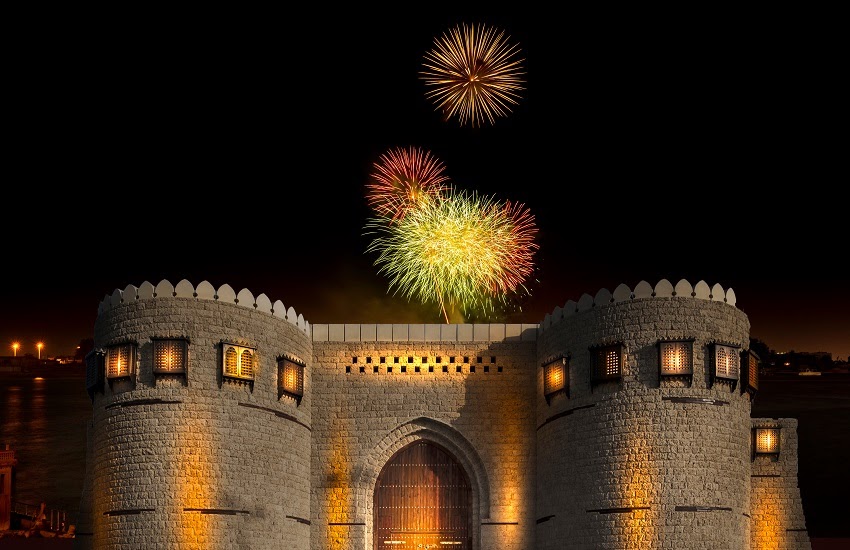
Jeddah Waterfront has emerged as one of Saudi Arabia’s most popular destinations this Ramadan, drawing families, tourists, and residents to its sprawling seaside promenades for post-Iftar gatherings and evening cultural experiences. The waterfront development, which stretches along the Red Sea coastline, has become a centerpiece of the Kingdom’s strategy to position its cities as year-round lifestyle and tourism destinations.
A Cultural and Leisure Destination After Iftar
As the sun sets and families break their fast, the Jeddah Waterfront comes alive with a distinct energy. Visitors stroll along its redesigned promenades, passing public art installations that include works by internationally recognized sculptors, including Henry Moore. The open-air spaces provide a natural gathering point for Ramadan evenings, combining the cooling sea breeze with carefully curated lighting and landscaping that create an inviting atmosphere.
Restaurants and cafes along the waterfront have extended their operating hours to accommodate the shifted rhythms of Ramadan, with most establishments reporting strong demand for Iftar and Suhoor dining. Food vendors offering traditional Saudi dishes alongside international cuisine have added to the area’s appeal as a culinary destination during the holy month.
Tourism Numbers Reflect Growing Appeal
The waterfront’s popularity during Ramadan 2026 aligns with broader trends showing increased domestic and international tourism across Saudi Arabia during the holy month. The Kingdom’s tourism strategy has increasingly focused on positioning Ramadan not as a quiet period but as an opportunity to showcase Saudi hospitality, cultural heritage, and modern urban development.
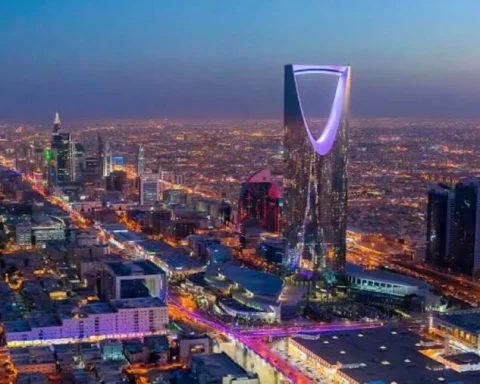
Jeddah, historically the gateway city for pilgrims heading to Makkah, has been undergoing a major transformation under Vision 2030. The waterfront redevelopment is part of a wider effort to revitalize the city’s coastal areas, improve public spaces, and create world-class leisure infrastructure that serves both residents and visitors throughout the year.
Vision 2030 and the Transformation of Saudi Cities
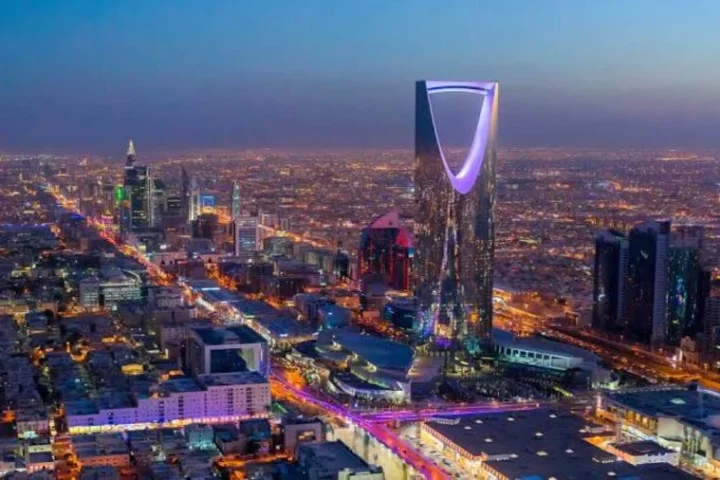
The success of the Jeddah Waterfront during Ramadan illustrates a broader shift in how Saudi cities are being planned and experienced. Urban developments are no longer solely functional but are designed to foster social interaction, cultural engagement, and economic activity. The waterfront’s blend of public art, dining, retail, and open space represents the kind of mixed-use urban environment that Vision 2030 envisions for cities across the Kingdom.
With Riyadh, AlUla, and the Red Sea coast all pursuing ambitious development projects, Jeddah’s waterfront serves as a proven model of how thoughtful urban design can transform a city’s identity and attract both national and international attention during one of the most significant periods in the Islamic calendar.