

Gold prices have surged to new record levels in early Asian trading, with the price per ounce reaching $4,640 USD, a milestone that has surprised even the most optimistic market forecasters and reinforced the precious metal’s position as the world’s preeminent safe-haven asset. The latest rally extends a remarkable run that has seen gold climb sharply over recent months, driven by a convergence of macroeconomic, geopolitical, and structural factors.
Economic Factors Drive Gold to Historic Levels
The current rise in gold prices is occurring against the backdrop of a range of powerfully supportive economic conditions. Ongoing geopolitical tensions across multiple regions have driven investors toward assets perceived as secure stores of value. At the same time, concerns about the trajectory of global inflation, particularly in developed economies where central bank interest rate policies remain a subject of intense debate, have reinforced the case for holding gold as a hedge against currency depreciation and purchasing power erosion.
Central bank buying has also emerged as a critical structural driver of this bull market. Institutions in Asia, the Middle East, and Eastern Europe have been accumulating gold reserves at a pace not seen in decades, seeking to reduce their reliance on the US dollar in their foreign exchange holdings. This sustained institutional demand has placed a durable floor under prices even during periods of short-term volatility.
Technical forecasts indicate that gold may continue its upward trajectory to reach $4,826 per ounce in the coming months, with analysts identifying $4,079 as the key minimum support level in the event of a temporary correction. This price range underscores the dynamic and fast-moving nature of global financial markets as they navigate an unusually complex economic environment.
Positive Impact on Arab Markets and Regional Investors
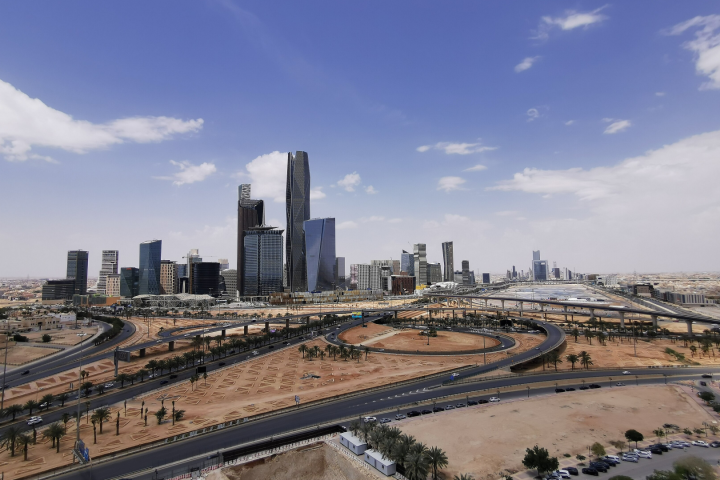
Demand for gold across the Arab region, and particularly in Gulf Cooperation Council countries, is witnessing notable growth as global prices climb. Investors in Saudi Arabia and neighbouring markets have long viewed gold as an effective means of protecting their wealth against currency fluctuations, inflationary pressures, and broader global uncertainties. The current environment has only strengthened that conviction.
Saudi Arabia’s gold market benefits from a sophisticated and diversified investment infrastructure that makes it relatively straightforward for individuals and institutions alike to gain exposure to the metal. Investment options include direct purchase of physical gold in the form of bullion bars and coins, investment in exchange-traded funds backed by physical gold, and participation in gold futures contracts traded on regulated exchanges. This diversity of instruments allows investors at every level to align their gold exposure with their individual risk profiles and investment horizons.
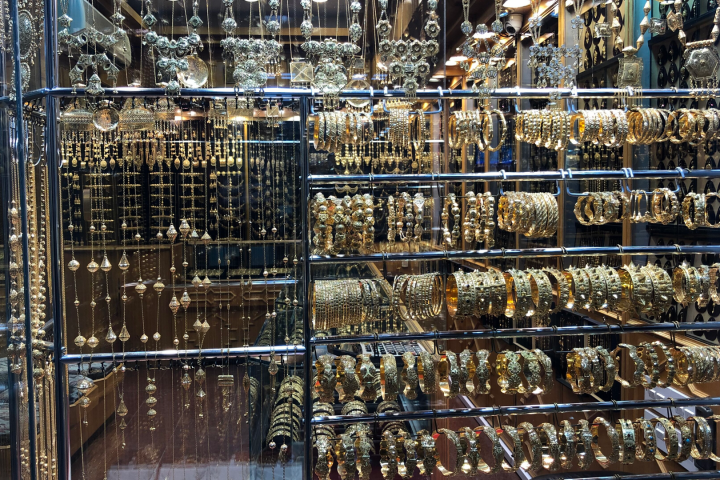
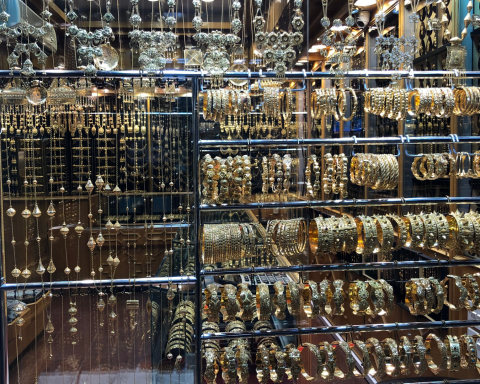
Jewellery demand has also remained robust across the Gulf region, with high consumer interest in gold jewellery sustaining a secondary layer of structural demand even as investment buying drives the headline price story.
Outlook for the Rest of 2026
Gold prices are widely expected to remain elevated through the remainder of 2026, with most major commodity analysts maintaining bullish forecasts based on continued central bank accumulation, persistent macroeconomic uncertainty, and the fundamental scarcity of the metal. Goldman Sachs and several other major investment banks have revised their year-end gold price targets upward in recent months, citing structural demand shifts that they believe are durable rather than cyclical.
For investors in Saudi Arabia and across the GCC, the current gold rally represents both an opportunity and a reminder of the value of holding diversified portfolios that include commodities alongside equities, real estate, and fixed-income assets.