
Dietrich Mateschitz was the Austrian marketing executive who co-founded Red Bull in 1984 and launched its energy drink in Austria in 1987. Red Bull says the launch created a new product category, and the company now sells close to 14 billion cans a year.
Since his death, the group has been run by a three-person management board, while the sports teams, events and media businesses he set up around the drink remain part of the company.
Education
Mateschitz studied business at the Vienna University of Economics and Business. Autosport reports that he completed a degree in marketing in 1972.
Career
After university he worked in consumer goods. Autosport lists a spell at Unilever, selling detergents, before he moved to Blendax, a German maker of toothpaste and personal care products. The Irish Times reports that he rose from sales to marketing director at Blendax and stayed there until 1987.
His Blendax work took him to Asia. Formula1.com reports that in 1982, while in Hong Kong, he came across Krating Daeng, a Thai energy tonic marketed by the Yoovidhya family, who also sold Blendax products.
He agreed with Thai businessman Chaleo Yoovidhya to take the drink to a world market. The two founded Red Bull GmbH in 1984, each putting in 500,000 dollars, according to Formula1.com and Autosport.
Red Bull says Mateschitz spent close to three years, from 1984 to 1987, working on the formula, the brand positioning, the can and the marketing concept. The adapted drink went on sale in Austria on 1 April 1987.
From the start the brand was sold through sport and events rather than classic advertising alone. The Irish Times reports that Red Bull backed athletes and teams in conventional and extreme sports, from surfing and motocross to mountain biking, cliff diving and windsurfing.
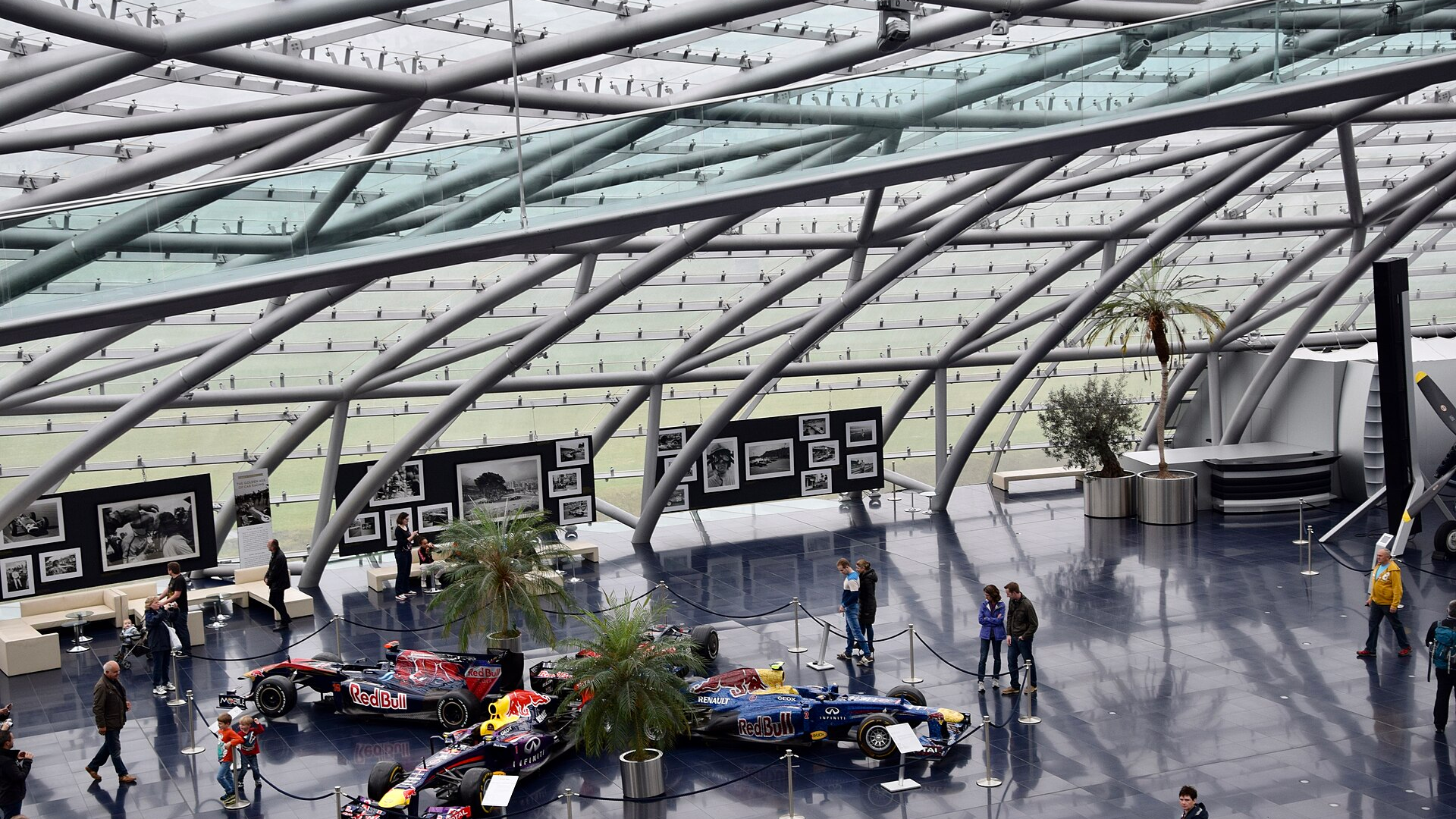
Motor racing became the biggest part of that strategy. Autosport reports that Red Bull’s Formula One link began in 1995 as a sponsor of the Sauber team. At the end of 2004 Mateschitz bought the Jaguar team from Ford and renamed it Red Bull Racing.
About a year later he bought a second team, Minardi, which raced as Toro Rosso and was renamed AlphaTauri in 2021. Formula1.com notes that he also ran a young driver programme in the junior Formula 2 and Formula 3 series.
Red Bull also moved into football. The Irish Times lists investments in RB Leipzig in Germany and the New York Red Bulls in the United States.
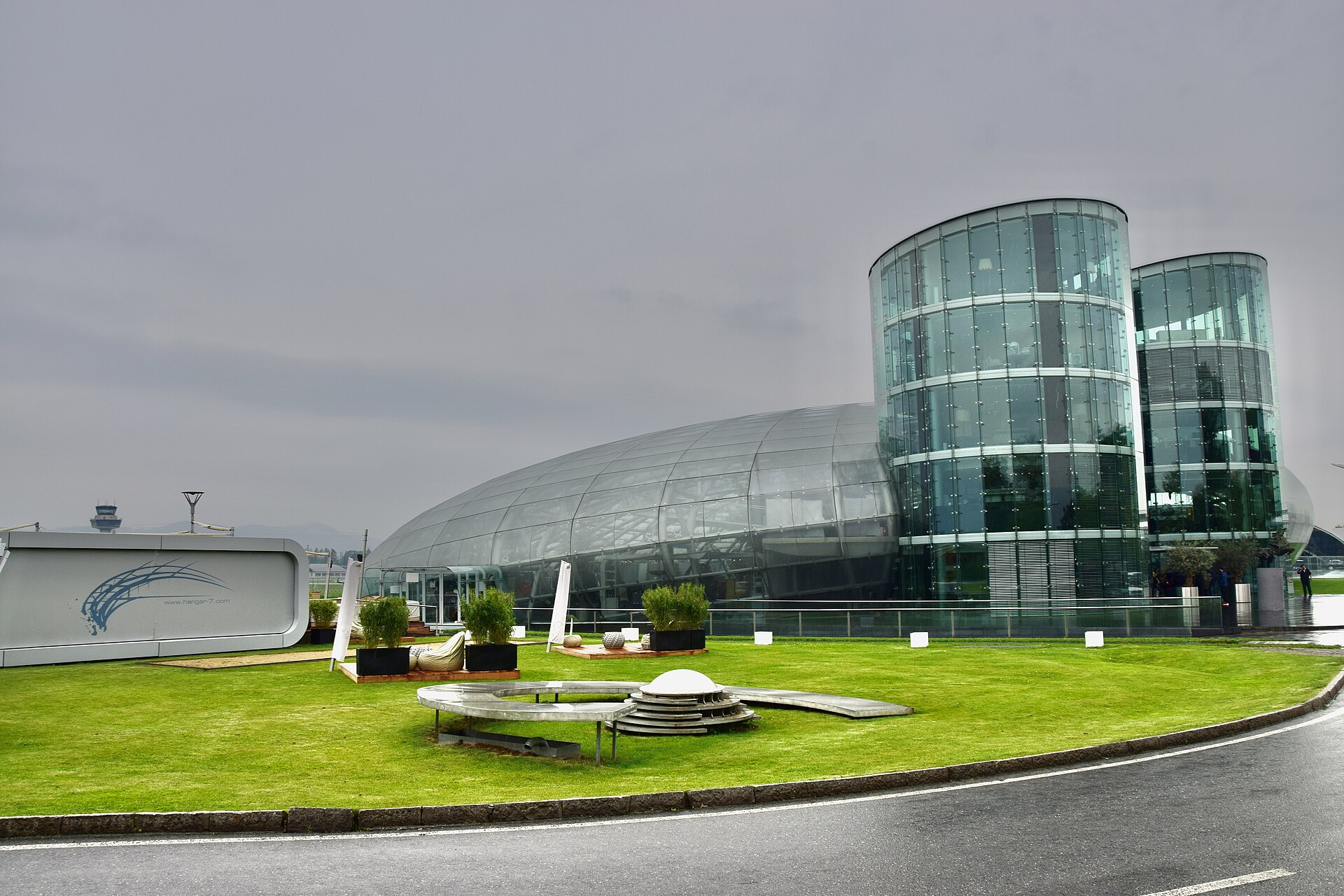
In Austria he bought the former Österreichring circuit and rebuilt it as the Red Bull Ring, according to Formula1.com and Autosport. He also set up Hangar-7 at Salzburg Airport to house a collection of historic aircraft.
The Irish Times also credits him with creating an air racing series, first called the Red Bull Air Race, in which stunt pilots flew slalom courses between tall inflatable pylons.
In later years the group added television channels and magazines, mainly about sport, as reported by The Irish Times. In 2012 Red Bull sponsored Felix Baumgartner’s jump from more than 38 kilometres above the New Mexico desert, in which he broke the sound barrier without a vehicle.
Autosport reports that one of his last major strategic decisions was to approve the creation of Red Bull Powertrains, the group’s own Formula One engine project.
Roles
- Co-founder of Red Bull GmbH (1984).
- Head of the Red Bull business for the rest of his life.
- Bought the Jaguar Formula One team for Red Bull at the end of 2004 (Red Bull Racing).
- Bought Minardi for Red Bull in 2005 (Toro Rosso, later AlphaTauri).
- Earlier: marketing director at Blendax, until 1987.
Key Achievements
A new drinks category
Red Bull describes the 1987 Austrian launch as the start of the energy drink category. The company now sells in 178 countries.
- 1987: launch in Austria.
- 2025: 13.969 billion cans sold worldwide.
- 2025: sold in 178 countries.
Formula One titles
The team he bought from Ford became one of the strongest in the sport. Sebastian Vettel won four drivers’ titles in a row from 2010 to 2013, and Max Verstappen won in 2021 and 2022, as listed by Formula1.com. In October 2022 the team secured its fifth constructors’ championship.
- 2004: Jaguar team bought and renamed Red Bull Racing.
- 2010 to 2013: four drivers’ titles with Vettel.
- 2021 and 2022: two drivers’ titles with Verstappen.
Marketing through sport
The Irish Times reports that Red Bull was said to spend up to 30 percent of its profits on publicity and marketing. The company’s name is attached to teams, events and venues across many sports. Red Bull still races in Formula One, including at the Saudi Arabian Grand Prix in Jeddah.
Venues and media
The rebuilt Red Bull Ring, Hangar-7 and the group’s television and print outlets gave the brand its own places and channels, not only sponsorship deals. Formula1.com notes that during the Covid pandemic he paid for the Austrian Grand Prix held at his rebuilt Red Bull Ring circuit in Austria during that period.
A planned succession
In November 2022 Red Bull confirmed a management structure that, according to F1i, Mateschitz himself had proposed and the Thai partners supported. Instead of one chief executive, three managers share the work.
- Franz Watzlawick: CEO, Beverage Business.
- Alexander Kirchmayr: Chief Financial Officer.
- Oliver Mintzlaff: CEO, Corporate Projects and Investments, which includes the Formula One interests.
The Company in Numbers
- Turnover, 2025: 12.196 billion euros (2024: 11.227 billion euros).
- Cans sold, 2025: 13.969 billion, up 10.2 percent on 2024.
- Employees, end of 2025: 21,924 (2024: 19,973).
- Markets, 2025: 178 countries.
In Their Own Words
“At the end of the day, it’s always about awareness and appreciation of a brand and the associated company,” Mateschitz said in a 2010 interview with Der Spiegel, as quoted by The Irish Times.
“For me, the driving force has always been freedom and independence and joy in my projects,” he said in one of his rare interviews, quoted by Formula1.com in its 2022 obituary.
Read also: John Paul DeJoria: How He Went from Homelessness to Building Two Billion-Dollar Global Brands