China's Ministry of Commerce and Ministry of Science and Technology have published a draft revision of the country's catalogue of technologies prohibited or restricted from export, proposing to add 40 technologies in artificial intelligence, photovoltaics and biomedicine. The draft was released on Friday, October 16, and is open for public comment until November 15.
Of the 40 additions, 14 would go into the prohibited category, which bars export altogether, and 26 into the restricted category, which requires an export licence. By sector, 23 are related to AI, 12 to photovoltaics and 5 to biomedicine, according to the Global Times.
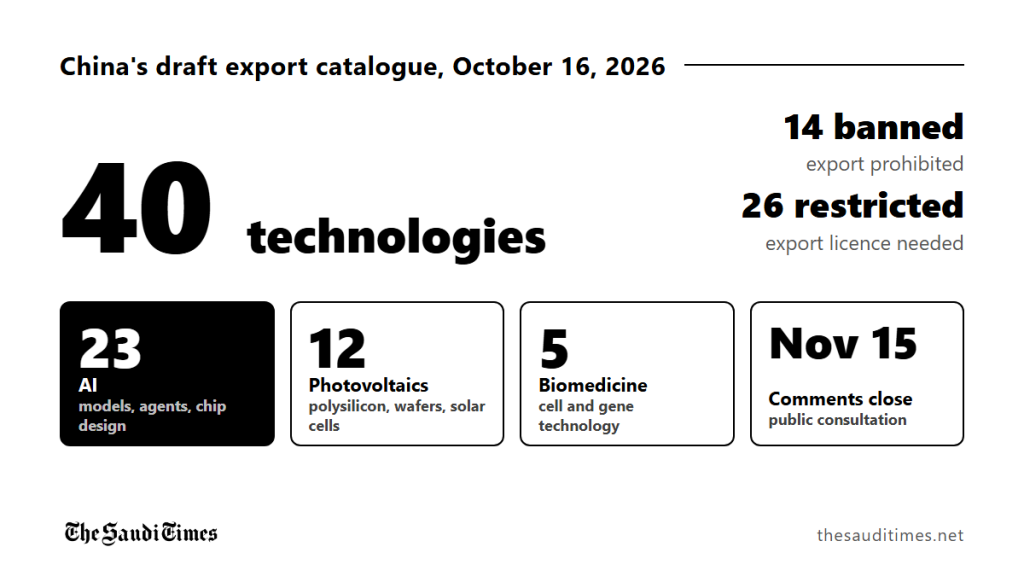
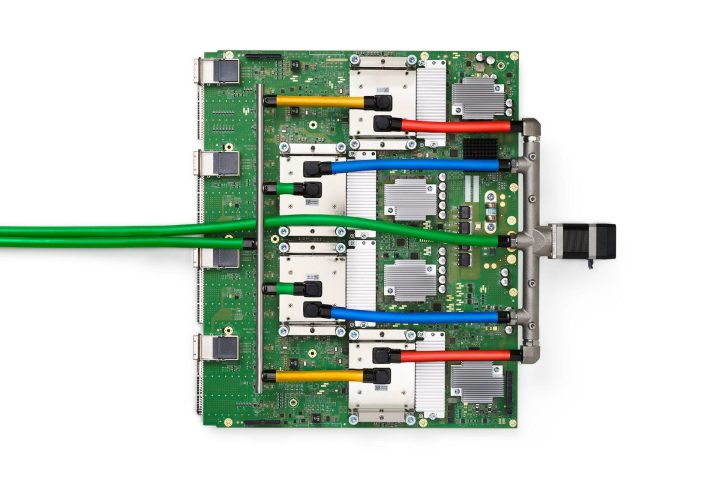
In AI, the proposed bans cover core technologies of large AI models trained with national key sensitive data, and AI agents serving key national information infrastructure, national defence and core government affairs. The proposed restrictions include design technologies for 2.5D and 3D AI chips, 3D flash memory, AI information processing and voiceprint recognition. Reuters reported that the AI items span AI models, intelligent agents and computing clusters.
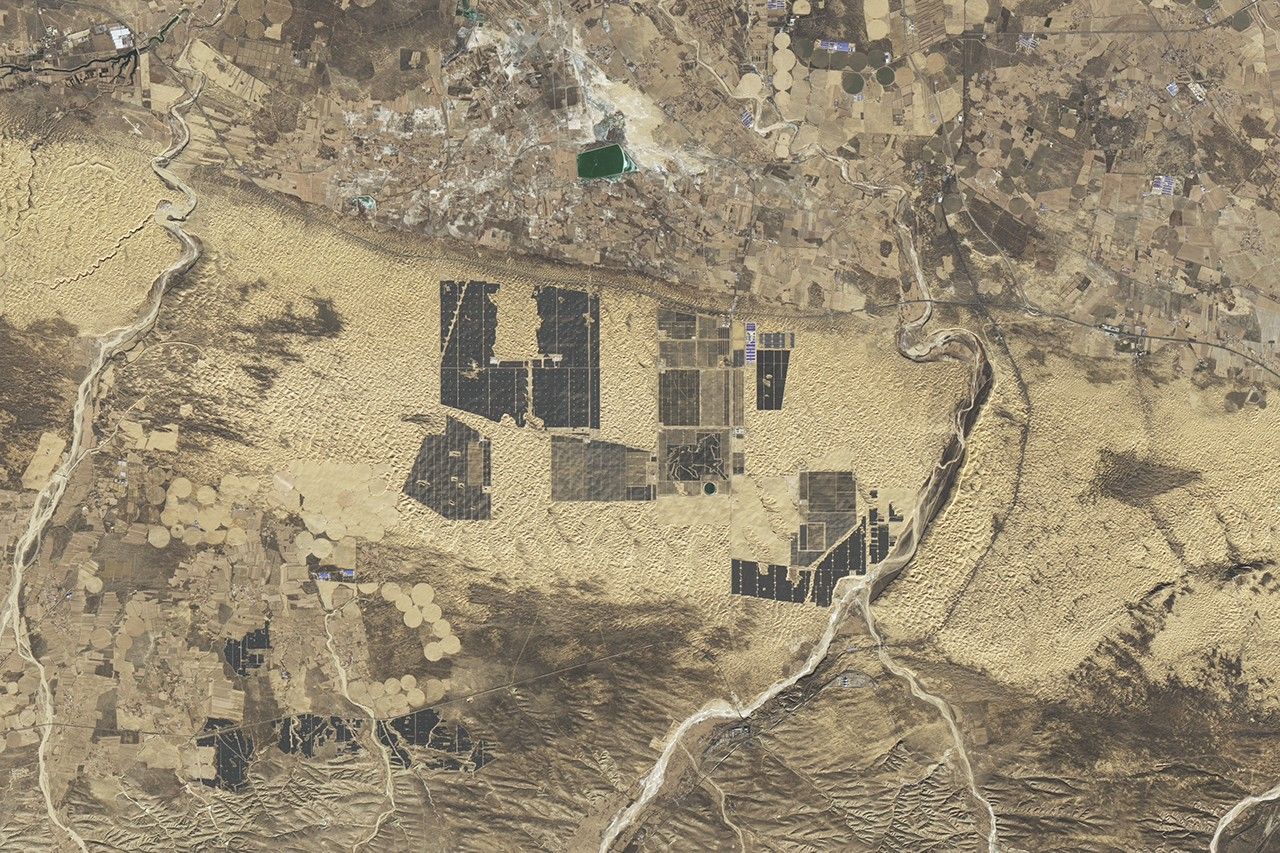
In solar power, the draft covers manufacturing techniques and core equipment for polysilicon, silicon wafers and solar cells. Perovskite solar cell technology would be prohibited, while heterojunction (HJT) cell technology would be restricted. The five biomedicine items cover cell and gene technology, small nucleic acid drugs and pathogenic microbiology.
Technologies already in the public domain through open source code, published academic papers or other means would not be covered. China is also introducing interim pre-export registration for the technologies concerned while the revision is under consultation.
The commerce ministry said the revision was proposed because applications of these technologies in sensitive fields are constantly expanding, and a spokesperson said the move "does not target any specific country or region". The catalogue was first published in 2001 and was revised in 2008, 2020, 2023 and 2025. Under it, prohibited technologies cannot be exported, and restricted technologies need a licence before they can leave the country.