


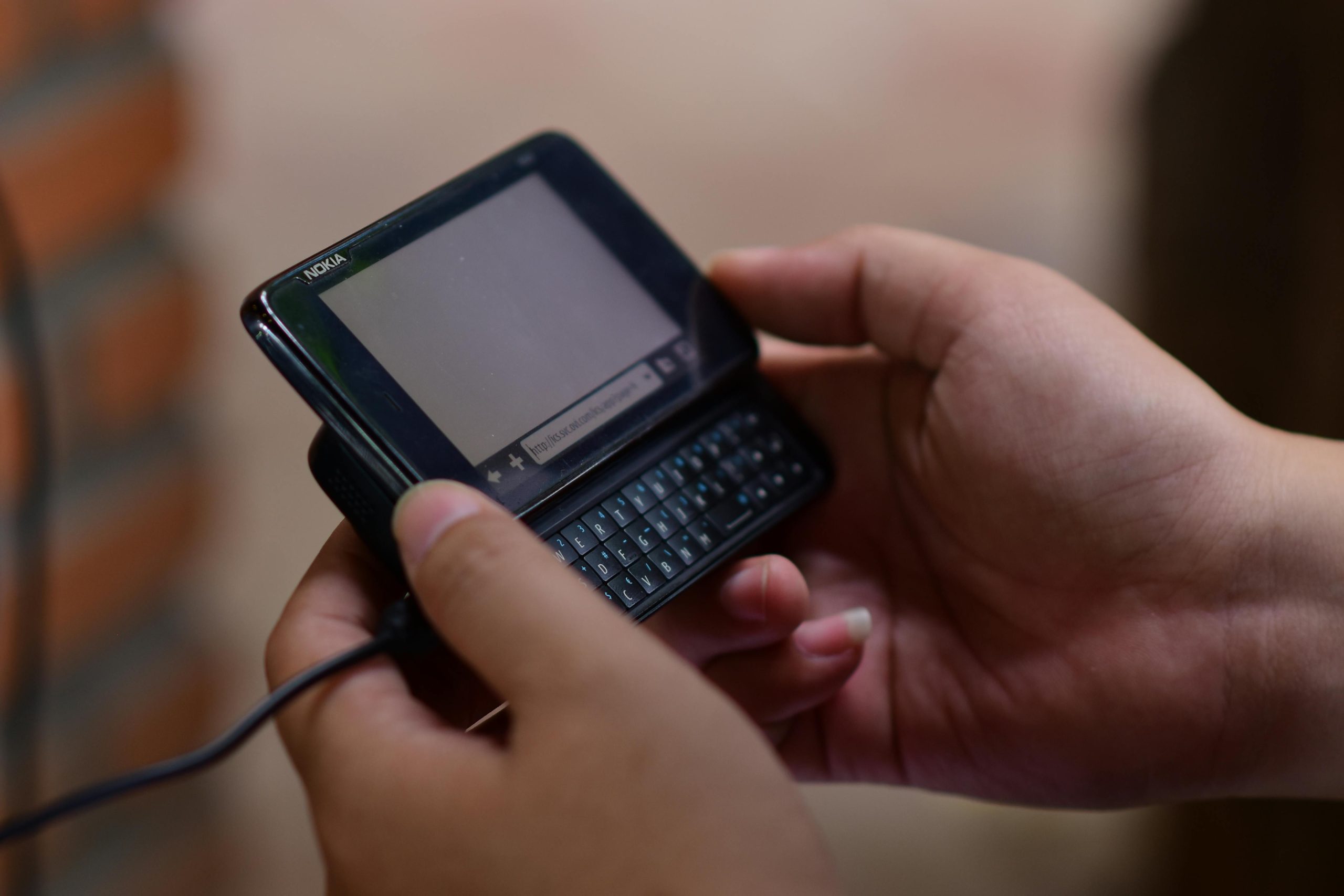
With new European battery regulations set to take effect in 2027, discussions have intensified around bringing back a capability that was once standard in smartphones, allowing users to replace their batteries in seconds without specialized tools or professional assistance.
Longer Software Support, Shorter Battery Lifespan
Modern smartphones now receive software and security updates for significantly longer periods than ever before. Some manufacturers offer support for up to seven years, enabling devices to remain functional and secure for much longer.
However, battery performance naturally declines over time. After several years of charging cycles, most batteries lose a noticeable portion of their original capacity, often becoming the primary reason users consider replacing their devices.
Many consumers argue that replacing a worn-out battery should be simple and affordable rather than requiring a service center visit or a completely new phone purchase.
Strong Consumer Demand
Recent surveys reveal overwhelming support for user-replaceable batteries. More than 88% of respondents expressed a preference for being able to swap their smartphone batteries themselves without special tools.
The results highlight growing consumer interest in repairability, sustainability, and extending the lifespan of expensive electronic devices.
Only a small percentage of users said they prefer replacing the entire device or relying on professional repair services when battery performance deteriorates.
New European Regulations
The European Union is pushing forward with regulations designed to reduce electronic waste and encourage more sustainable consumer electronics.
Under the new rules, many electronic devices will eventually be required to feature batteries that can be replaced more easily by users.
However, current exemptions mean that many modern smartphones with strong water and dust resistance ratings may not be directly affected. As a result, flagship devices from major manufacturers are likely to continue using sealed designs for the foreseeable future.
Still, industry observers believe these regulations could pave the way for broader changes in smartphone design over the coming years.
Design Versus Repairability
Manufacturers moved away from removable batteries largely to improve durability, water resistance, and overall device aesthetics.
While these changes helped create more premium-looking products, they also made repairs more complicated and expensive for consumers.
Technology analysts believe the next challenge for smartphone makers will be finding the right balance between sleek design and practical repairability, allowing devices to remain both attractive and easier to maintain.
A Possible Return?
Although there is no confirmation that removable batteries will return to flagship smartphones anytime soon, growing consumer demand and evolving regulations could encourage manufacturers to reconsider their approach.
For many users, the ability to quickly replace a battery remains one of the most practical features ever offered in mobile devices. As conversations about sustainability and device longevity continue to grow, the possibility of seeing removable batteries make a comeback may no longer seem as unlikely as it once did.