

The organization emphasized that the situation does not currently require travel restrictions or cause for widespread alarm, noting that the overall risk to the public remains low, while monitoring continues closely.
Incident Details
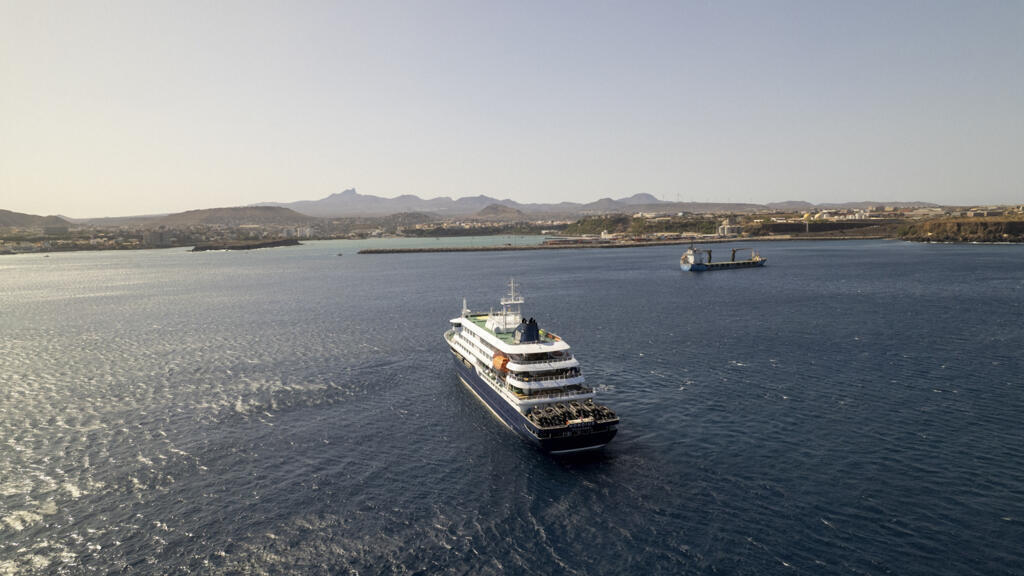
The outbreak occurred on the polar expedition vessel “Hondius,” operated by Oceanwide Expeditions, during its journey from Argentina to Europe.
Passengers and crew members developed severe respiratory symptoms, prompting the evacuation of several individuals to hospitals in South Africa for treatment.
Health authorities are investigating how the virus spread on board, particularly due to indications of possible human-to-human transmission, an uncommon mode for this virus.
What is Hantavirus?
Hantaviruses are a group of viruses typically carried by rodents, such as mice, and can cause serious illnesses in humans.
They may affect the respiratory system, leading to severe lung complications, or cause hemorrhagic fever that impacts kidney function. Although infections remain rare, certain strains can pose significant health risks.
Risk Assessment and Response
Despite the severity of some cases, the WHO stated that current data does not indicate widespread transmission. The situation remains under close investigation to better understand the source and transmission dynamics.
A Balanced Approach: Vigilance Without Panic
This incident highlights the importance of rapid global response and coordination in managing infectious diseases, while reinforcing the need for awareness and preventive measures to limit potential spread.