

By Izabella Rekiel
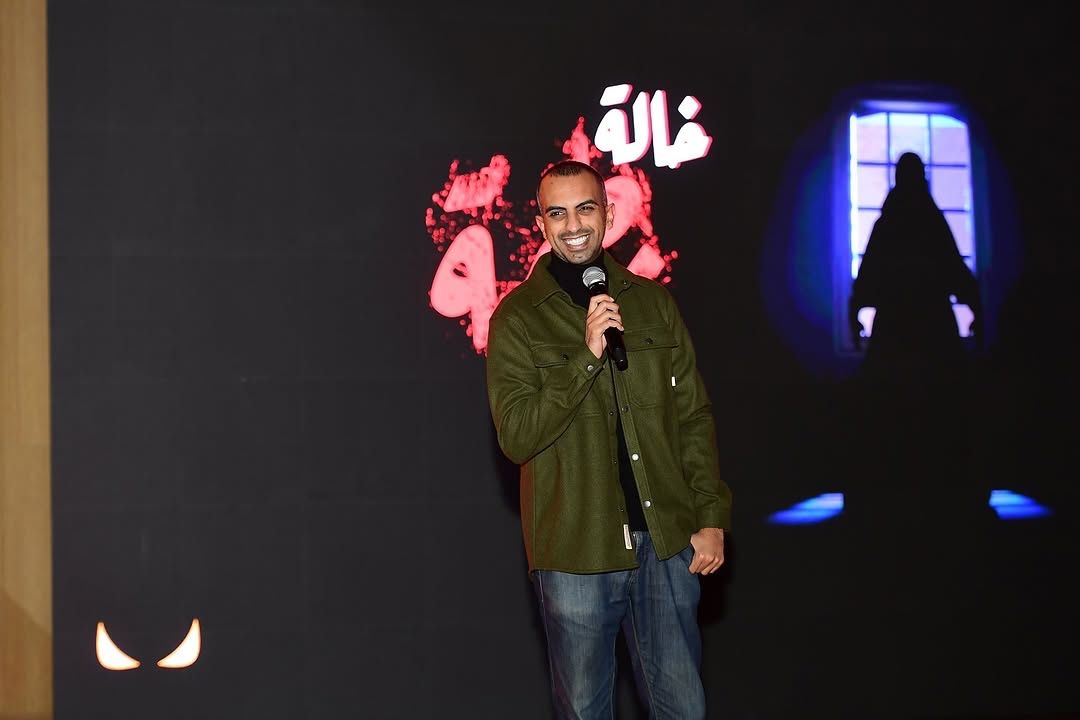
A space bar that accidentally skipped a video set gaming content creator Abdulla AlHamad, known online as DRTH, on the path to becoming a game developer.
At an annual company event, a colleague mistakenly skipped a video Abdulla had spent three weeks creating. When he was tasked with producing another for the same event a year later, he began thinking creatively about how to make sure his hard work would not be overlooked again.
The solution came from gaming. In a game’s main menu, pressing the space bar triggers an animation. Curious about whether he could recreate the same mechanism, Abdulla turned to YouTube tutorials and began experimenting with a game engine he already knew how to use for CGI.
He had never learned how to develop a game.
One tutorial led to another, and before long, Abdulla was no longer trying to find a way to protect his work from a misplaced keystroke. He was teaching himself how to make a game.
The result was Aunt Fatima, a horror game inspired by Gulf folklore and deeply rooted in Saudi visual culture. What began as a project intended primarily for his gaming followers went on to attract thousands of downloads, major content creators and recognition at regional gaming awards.
It also opened doors Abdulla had never expected.
Building a game from scratch
Abdulla’s journey reflects a broader feature of Saudi Arabia’s emerging gaming scene: many of its creators did not enter the industry through conventional game-development pathways.
His own route began with an IT degree, although it was not his first choice.
“I originally didn’t want to study IT,” he explains to The Saudi Times. “In the Eastern Province we didn’t have a graphic design major or a movie major, which is what I wanted to study.”
Being the closest available route to the creative and technical fields he wanted to pursue, he taught himself graphic design and media production alongside his studies.
Gaming initially became a source of both creative expression and income. An avid Overwatch player, Abdulla began producing content and streaming while at university. Overwatch is a free to play, hero-shooter game that draws in 8-12 million active players per month.
Upon learning he would have to support himself from the age of 21, he turned to noble employment taking a job at Jarir Bookstore and supplementing his income with freelance graphic design work. His YouTube channel eventually began generating enough revenue to support him, turning content creation from a side pursuit into a career.
Game development came later – and almost by accident.
“I didn’t know anything about game development,” he says.
What Abdulla did have was an understanding of visual storytelling, experience with digital tools and a willingness to teach himself – skills that would eventually prove transferable to game development.
His path reflects a wider shift taking place in Saudi Arabia, where gaming is expanding beyond esports and entertainment into a broader creative and technology ecosystem, creating new opportunities for creators to turn skills developed independently into professional careers.
A horror game with a Saudi identity
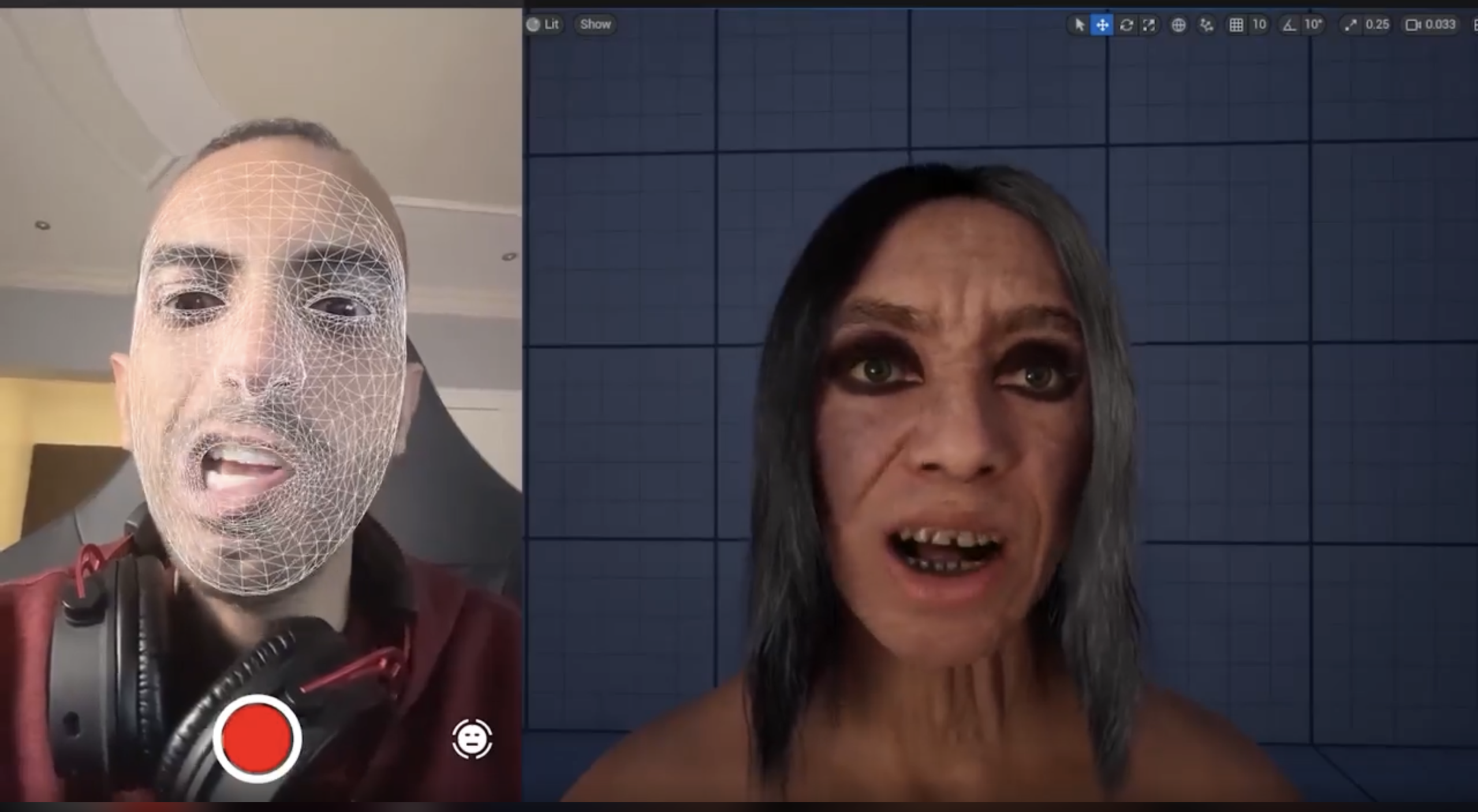
For Aunt Fatima, Abdulla wanted to make something that felt familiar. At some point, gamers may find themselves dodging flying slippers thrown by Aunt Fatima – a comedic nod to everyday Saudi home life.
The initial idea came from his cousin Faisal, who suggested Umm Al Duwais, a fictional female spirit from Emirati and wider Gulf folklore. Abdulla adapted the concept, changing the character’s name to Aunt Fatima and creating a story in which the player is kidnapped by her and her husband. To win is to escape their house by solving puzzles and avoid being caught.
The house contains objects and details familiar to anyone who has spent time in a Saudi home. Abdullah incorporated the shemagh and agal, Saudi clothing, household objects, the kitchen, the courtyard and even the car. Aunt Fatima herself was designed with a recognisably local aesthetic.
That attention to cultural detail became one of the game’s defining characteristics.
After releasing the first trailer, interest surged among the gaming community. To find a way to make it accessible, Abdulla approached the Esports World Cup, asking for a space at the event – to which they gave him a customised stage complete with 20 employees.
“The feedback was awesome,” Abdullah says.
The experience encouraged him to invest even more time and resources into completing the game.
From indie project to regional hit
Aunt Fatima surpassed Abdulla’s expectations. It more than doubled projected downloads. The game trended at number one on YouTube for almost three continuous months, according to Abdullah, as creators across the region streamed and shared their experiences with it.
It subsequently received recognition including the Best Saudi Game award from True Gaming and the Best Arab Game award at the Grand Game Awards in Algeria.
For a developer who had entered the field largely through YouTube tutorials and experimentation, the response was significant.
So was the financial return.
Abdullah says he invested around SAR 12,000 in developing the game and estimates that it generated an ROI of around 1,000%.
More importantly, Aunt Fatima changed what he believed was possible.
“I didn’t know anything about game development, and Aunt Fatima opened a lot of doors,” he says.
The filmmaker who found another medium
Originally wanting to make films, game development offered another route to the same ambition: building worlds, directing characters, designing environments and telling stories – but through an interactive medium.
Today, he is developing three new intellectual properties.
One of them, titled Bone is a cooperative game in which players escort an orb between castles while facing obstacles and bosses along the way.
The other two projects remain confidential, but Abdullah says they, too, are embedded with Saudi culture.
He has been approached about opening a studio, but for now he is reluctant to move away from the creative and technical work that brought him into game development in the first place.
“I’ve been contacted to open a studio, but I refuse,” he says. “I’m a technical guy. To make a company and focus on corporate stuff is not what I want to do.”
For now, he wants to build.
A generation learning by doing
Abdulla’s journey is not an isolated one.
Saudi Arabia’s gaming ambitions are often discussed through investment, esports, major tournaments and large-scale infrastructure. But behind the growth of any industry are the people who build it – often by finding their own way in.
The same theme emerged in a previous The Saudi Times profile of Saudi creator Faris Attieh, whose journey into gaming illustrated how local talent has developed outside conventional industry pathways.
For some, the classroom has been YouTube. For others, it has been a game engine, online communities or years of trial and error. What connects them is a willingness to learn by doing.
As Saudi Arabia builds the infrastructure for a global gaming industry, creators such as Abdulla and Faris are helping to shape the community that will eventually fill it – proving that talent does not always wait for an established pathway.
Sometimes, it starts with a player deciding to become a creator.
For Abdulla, that decision has already changed the direction of his career.
“I don’t know what my future is holding,” he says. “But right now I’m focusing on gaming development.”
For now, that means continuing to learn, build and turn Saudi stories into worlds that players can enter for themselves.