

SpaceX ended the week with an engineering first as its wide lead over Boeing in flying astronauts drew fresh attention. On Saturday, 14 November 2026, the arms of the launch tower at Starbase, Texas, caught the upper stage of the giant Starship rocket, the first time SpaceX has recovered a Starship upper stage this way, according to Spaceflight Now and Space.com. A day earlier, NPR reported that the company’s shift towards Starship could leave NASA short of rides to the International Space Station.
Where do NASA’s two crew contractors stand? The main figures as reported:
- SpaceX’s Dragon capsule, launched on a Falcon 9 rocket, is currently the only American spacecraft that can carry NASA astronauts to and from the station.
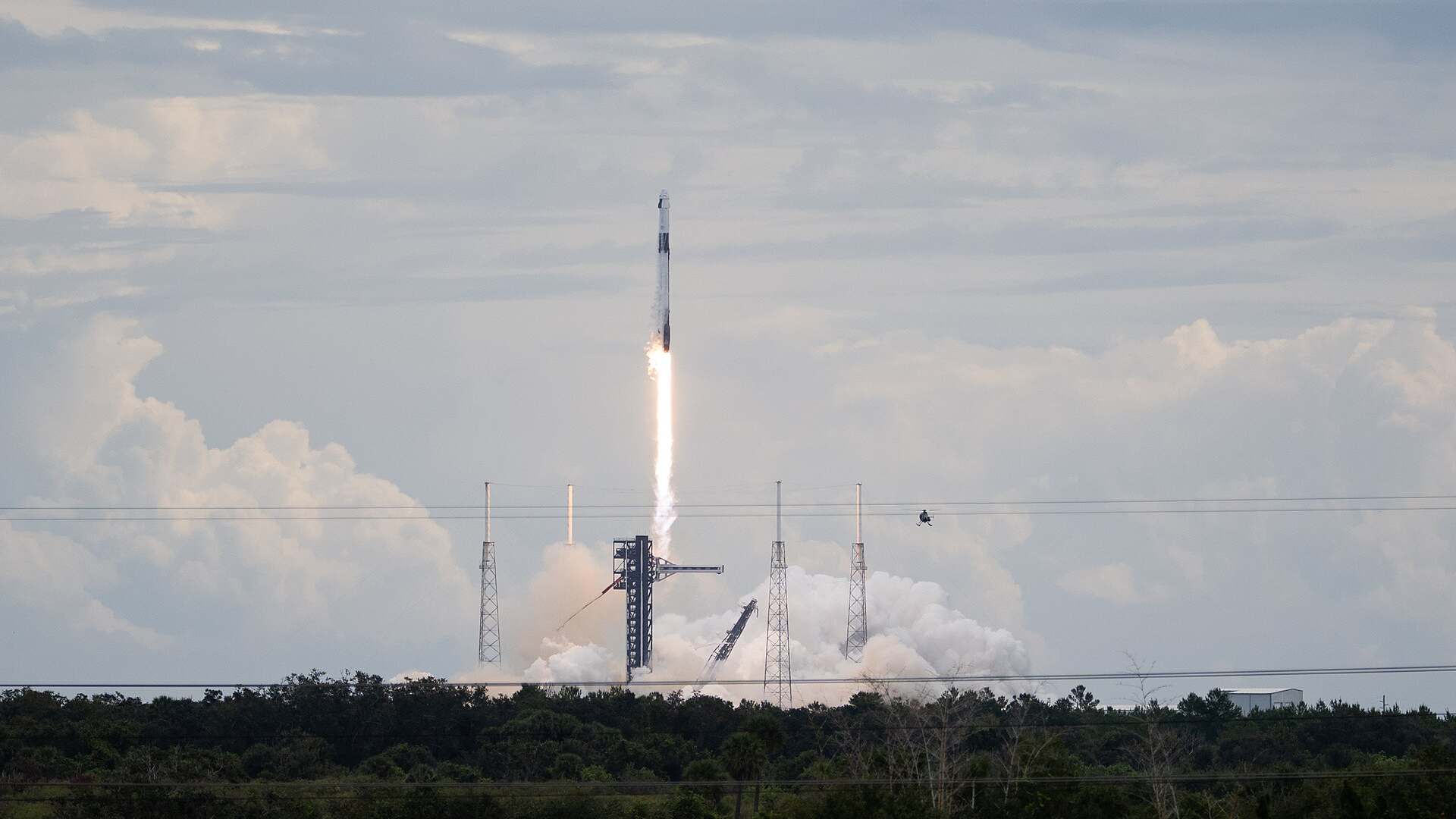
- Dragon’s latest NASA rotation flight, Crew-13, lifted off on 1 October 2026 with four crew members aboard.
- Boeing’s Starliner has flown astronauts only once, in June 2024. A planned eight-day test turned into a stay of more than nine months, and the two astronauts came home on a SpaceX Dragon in March 2025.
- Starliner’s next flight will carry cargo, not crew, and NASA has said it could launch in December 2026 or January 2027. A crewed Starliner flight is not expected before 2028.
- NASA’s original commercial crew awards were about 4.2 billion dollars to Boeing and about 2.6 billion dollars to SpaceX.
According to NPR, NASA has three more Dragon crew flights under contract, enough to keep Dragon flying through 2028 at six-month intervals, while the station is due to retire in 2030. SpaceX president Gwynne Shotwell had pointed to Boeing on the All-In podcast in September: “Boeing has been paid, I think, probably more than we have been paid to develop their human capsule.”