

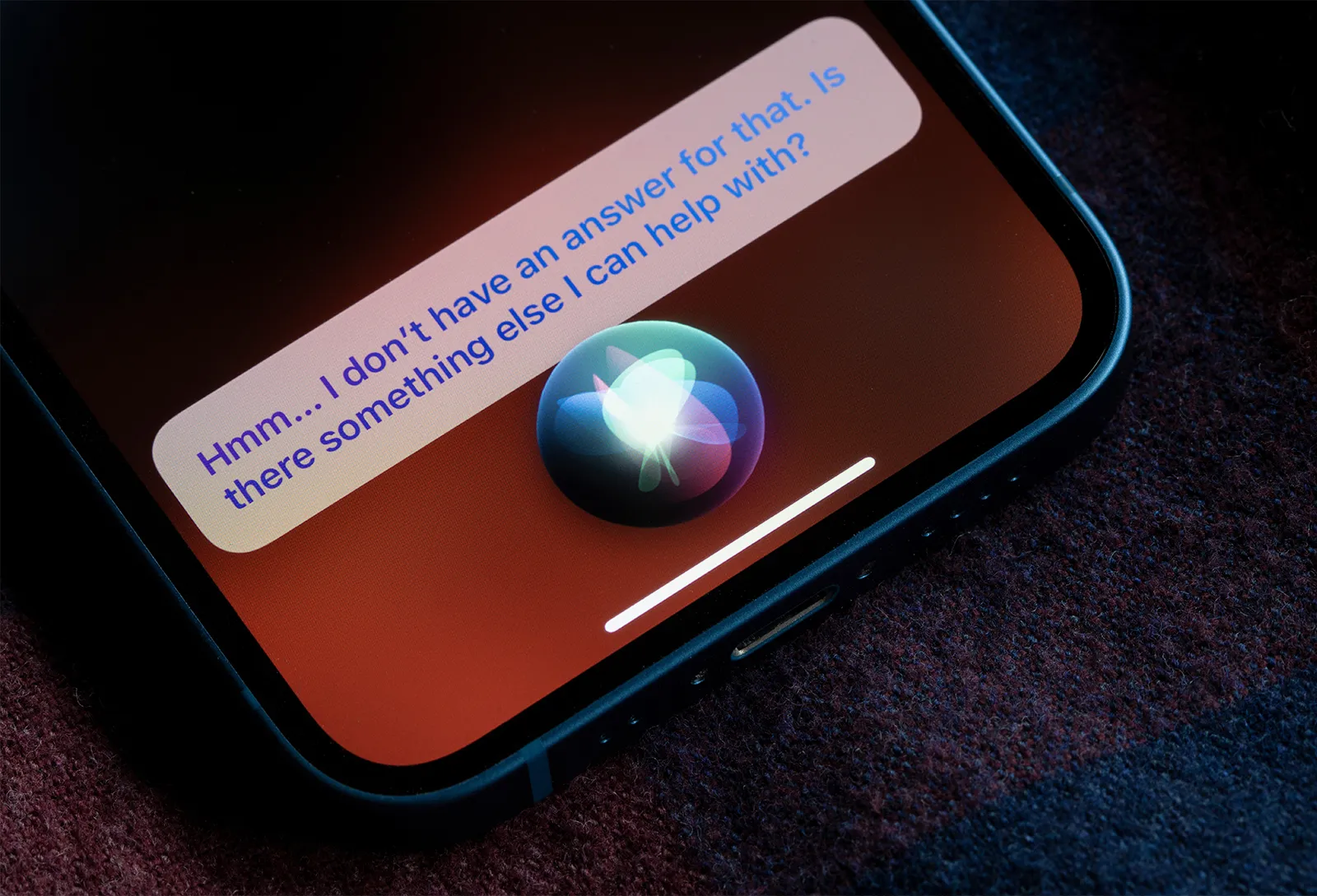
The artificial intelligence race is accelerating rapidly, and as Apple’s Worldwide Developers Conference (WWDC) 2026 approaches, attention is turning to what could become the biggest upgrade in Siri’s history.
According to growing reports and industry leaks, Apple is preparing a major overhaul of its voice assistant by integrating advanced AI capabilities potentially powered by Google’s Gemini models and NVIDIA’s cutting-edge AI hardware infrastructure.
If these reports prove accurate, Siri could be on the verge of its most significant evolution since its launch in 2011.
Why Does Siri Need an Upgrade?
While Siri was one of the first mainstream voice assistants, recent years have seen competitors such as ChatGPT, Gemini, and Microsoft Copilot dramatically raise expectations for AI-powered interactions.
Modern users no longer want assistants that simply set alarms or send messages. They expect systems capable of understanding context, handling complex conversations, and completing multi-step tasks intelligently.
To remain competitive, Apple appears determined to rebuild Siri for the era of generative AI.
Gemini Could Replace Siri’s Existing AI Model
Reports suggest Apple may replace Siri’s current generative model, which contains roughly 3 billion parameters, with a customized version of Google’s Gemini model that could reach as many as 1.2 trillion parameters.
Such a leap would dramatically improve Siri’s ability to understand natural language, process nuanced requests, maintain context during conversations, and execute sophisticated tasks.
This would represent one of the largest technological upgrades ever introduced to Apple’s digital assistant ecosystem.
NVIDIA Hardware Behind the Scenes
The transformation is not limited to software.
Some reports indicate that Apple may rely on Google Cloud infrastructure powered by NVIDIA’s Blackwell B200 processors to handle advanced AI workloads.
These processors are among the most powerful AI computing systems available today, designed specifically for large-scale machine learning and generative AI applications.
They also support advanced privacy technologies such as confidential computing, helping ensure sensitive user data remains protected during processing.
A More Personal Siri
Perhaps the most exciting development is the concept of “Personal Siri.”
Rather than simply responding to commands, the next-generation assistant could intelligently interact with information stored throughout Apple’s ecosystem while respecting privacy permissions.
Imagine asking:
“When should I leave home to pick up my mother from the airport?”
A future Siri could automatically:
- Search emails and messages for flight details.
- Check calendar events.
- Review notes and saved information.
- Retrieve real-time flight updates.
- Analyze traffic conditions through Maps.
- Calculate the ideal departure time.
The result would be a far more useful and proactive assistant experience.
A Major Shift in Apple’s Philosophy
Apple has traditionally preferred developing its core technologies internally.
The possibility of collaborating with Google and leveraging NVIDIA infrastructure highlights how rapidly the AI landscape is evolving.
Industry analysts believe Apple recognizes that future competition will depend not only on hardware and operating systems but also on the intelligence and usefulness of AI experiences.
Which Devices Could Support the New Siri?
Due to the significant computing requirements involved, advanced Siri features are expected to be limited to newer Apple devices.
Rumored compatible models include:
- iPhone 15 Pro
- iPhone 15 Pro Max
- iPhone 16 Series
- iPhone 17 Series
- Future iPhone generations
Older devices may not support the full suite of AI capabilities.
What Could WWDC 2026 Reveal?
Millions of Apple users are expected to watch WWDC 2026 closely for official confirmation.
If Apple unveils the rumored upgrades, Siri could experience its most dramatic evolution in more than a decade.
The announcement would also signal Apple’s broader commitment to generative AI as a core component of its future ecosystem.
The Future of Intelligent Assistants
Digital assistants are rapidly evolving beyond simple voice-command tools.
The next generation of AI assistants is expected to understand context, anticipate needs, automate complex workflows, and provide proactive support across daily life.
If Apple’s vision becomes reality, Siri may finally transform from a voice assistant into a truly intelligent digital companion capable of understanding and assisting users in ways that were once considered futuristic.