


As Hajj 1447 approaches, Saudi Arabia has finalised a broad transport readiness plan covering air, rail, road and sea, reflecting the scale of preparations required to serve millions of pilgrims across the holy sites.
At the centre of this plan is a major upgrade to the national road network. The Roads General Authority announced the deployment of an advanced fleet of road surveying equipment, equipped with high-resolution cameras and laser sensors capable of detecting surface defects including cracks and rutting to an accuracy of 0.05 millimetres. The initiative goes beyond routine maintenance, building a data-driven system designed to identify issues before they affect operations during one of the world’s largest annual gatherings.
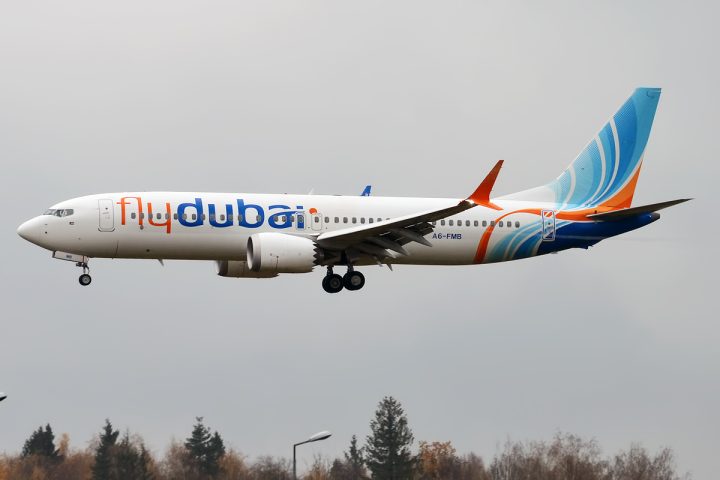
The road work sits within a wider multi-sector effort. More than 3.1 million airline seats have been allocated across over 12,000 flights, while the Haramain High-Speed Railway has expanded capacity to over 2.2 million seats through 5,308 scheduled journeys. A large fleet of buses and taxis, subject to heightened safety checks, will serve pilgrims on the ground across Makkah, Madinah and the holy sites. Jeddah Islamic Port continues to receive pilgrims arriving by sea as part of the integrated operational network.
The Ministry of Municipalities confirmed full readiness across more than 73 million square metres of infrastructure, including 123 bridges and 44 tunnels in Mina, Arafat and Muzdalifah, supported by over 22,000 field personnel operating around the clock.
Together, these preparations reflect Saudi Arabia’s ongoing investment in pilgrimage infrastructure under Vision 2030, which targets a capacity of 30 million pilgrims annually by the end of the decade.