

By Izabella Rekiel
Saudi Arabia’s sporting transformation has been impossible to ignore. Over the past few years, the Kingdom has attracted some of the world’s biggest sporting events, signed elite athletes, expanded its presence in motorsport and boxing, invested heavily in esports, and secured hosting rights for the FIFA World Cup 2034 and AFC Asian Cup 2027.
Yet behind those headline developments lies a quieter shift that may prove even more consequential: the creation of a modern legal framework designed to support a sustainable sports industry.
The new Sports Law, which came into force in June 2026, is the Kingdom’s first comprehensive overhaul of sports legislation in nearly four decades. While much attention has focused on the opportunities it creates for private investment and club privatisation, industry figures say its broader significance lies in establishing the governance, commercial and regulatory foundations required for long-term growth.
Saudi Arabia’s emergence as a global sporting destination has been rapid. But building a world-class sports industry requires more than hosting events or attracting elite athletes. It requires legal and institutional structures that allow clubs to scale sustainably, investors to deploy capital with confidence, and athletes to develop within a professional ecosystem. That is the role the new law is designed to play.

More than an investment framework
While the new framework has attracted widespread attention for the investment opportunities it creates, The Saudi Times spoke to experts who say its significance extends far beyond attracting capital.
Maxwell Andrews, Chairman of the Sports, Tourism & Entertainment Committee (STEC) of the American Chamber of Commerce in Saudi Arabia, views the legislation as a major milestone in creating the legal certainty needed to attract long-term investment into the Kingdom’s sports sector. Rakan Alyusuf, a partner at Baker Botts law firm and co-chair of STEC, believes its broader legacy will be the governance and institutional maturity it introduces across Saudi sport. Together, their perspectives illustrate how the law seeks to balance commercial growth with the development of a more sustainable sports ecosystem.
Asked whether the law is primarily an investment framework or a governance reform, Rakan believes the latter.
“While the new Sports Law certainly provides a more bankable investment framework, it also does not ignore governance, administration, community sports, non-profit entities, and amateur and recreational activities,” he said.
The law introduces a clear governance hierarchy for Saudi sport, centred on the Saudi Olympic and Paralympic Committee, sports federations, clubs and leagues. It also requires sports entities to adopt formal bylaws, register with a new Sports Register and meet enhanced governance standards, while directors and senior executives can be held personally accountable for misconduct or negligence.
Rakan believes the implementing regulations will be equally important, particularly if they help strengthen pathways between youth, university and professional sport.
“One of the areas I am hoping to see addressed… is bridging the gap between youth sports and professional sports,” he explained to The Saudi Times. “It is still early days and there is plenty of time for such matters to be addressed for the greater evolution of the Saudi Arabian sports ecosystem.”
Transforming the business of sport
For clubs, the legislation represents a fundamental shift in how they can be structured and operated.
For the first time, Saudi clubs and leagues have a clear legal pathway to operate as commercial companies rather than solely as non-profit entities. That opens new opportunities to raise capital, attract strategic investors, develop commercial partnerships and build more sustainable business models.
The law also introduces new licensing requirements for sports facilities, academies, schools and events, while strengthening compliance, inspection and dispute resolution mechanisms. Together, these reforms move Saudi sport closer to the governance standards expected in established international markets.
For investors, that increased certainty is one of the legislation’s biggest attractions.
“The new Sports Law is a major step in aligning the sports sector with the broader ambitions of Vision 2030,” Maxwell replied, when asked what opportunities does the law create for private and international investors that did not previously exist.
“It brings something investors and operators have been waiting for: clarity, predictability and a modern regulatory framework.”
Maxwell said the legislation creates a legal foundation for private club ownership, commercial academies and professionally managed leagues while providing greater confidence that investments can be protected through transparent governance.
“The framework is now in place for serious private capital to enter the sector in a structured and sustainable way,” he said.
At the same time, both Maxwell and Rakan note that investors are closely watching the Ministry of Sport’s forthcoming implementing regulations, particularly those relating to foreign ownership limits, mergers and acquisitions, and commercial structures.
Intellectual property moves to the forefront
A major feature of the new law is its emphasis on intellectual property rights, reflecting the growing commercialisation of sport.
Value in modern sports markets is increasingly driven by media, sponsorship, and digital rights, strengthening the importance of how clubs and leagues structure and protect commercial assets.
Maxwell said this positions IP at the centre of sports economics, with clubs that develop strong brand and content ecosystems likely to be best placed as the market matures.
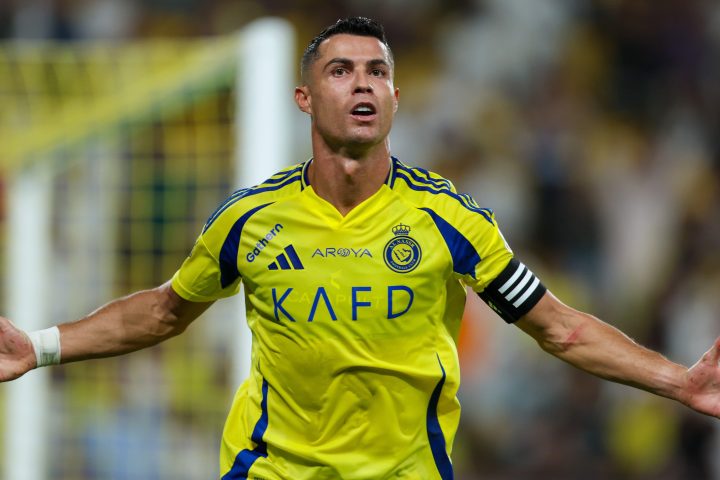
Rakan observed that athlete-driven media exposure is already shaping league visibility, particularly in football, where individual star power has amplified commercial reach.
Creating opportunities beyond football
While football will remain Saudi Arabia’s flagship sport, the legislation is expected to unlock growth across a broader sporting ecosystem.
Beyond football, opportunities are emerging across esports, combat sports, motorsports, tennis, and heritage disciplines such as camel racing and horse racing, supported by clearer regulatory structures and new licensing frameworks.
Indoor and participation-based sports are also expected to gain traction, particularly those aligned with climate conditions and long-term development goals. Tennis, weightlifting and shooting are increasingly seen as well positioned within this shift, alongside broader Olympic ambitions. The planned Qiddiya National Tennis Centre, featuring 30 courts, reflects how infrastructure investment is beginning to translate these priorities into delivery.
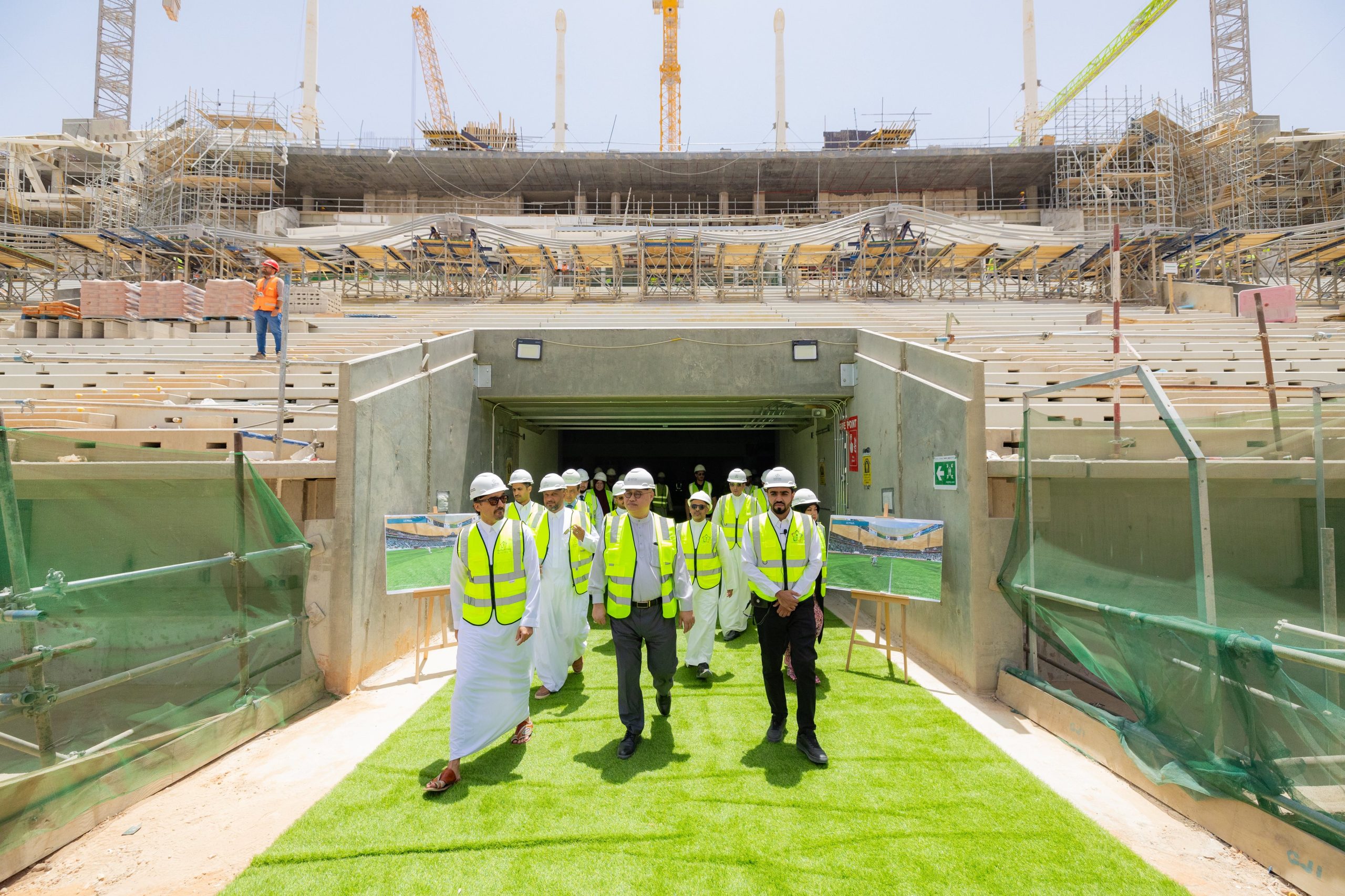
Investor attention is already shifting toward sports infrastructure, particularly as regulatory clarity improves. Much of this focus is on how large-scale projects can now be structured, financed, and delivered under a more defined legal framework.
Developers are expected to benefit from clearer rules that improve bankability, enable public-private partnerships, and support more structured investment ahead of major events such as the FIFA World Cup 2034.
Developing Saudi talent
While much of the discussion surrounding the law has centred on investment, it also introduces important reforms aimed at supporting athletes.
It formally distinguishes between professional and amateur athletes, establishes a framework for standardised player contracts, strengthens anti-doping enforcement, and introduces licensing requirements for coaches and agents. It also places greater emphasis on athlete welfare and safe sporting environments.
Rakan said he hopes these reforms will help elevate the standard of Saudi sport internationally, particularly by strengthening early-stage talent development.
What happens next?
Although the law is now in force, many of its most significant provisions will depend on the implementing regulations expected from the Ministry of Sport.
Those regulations will clarify issues including foreign ownership limits, professional contracts, licensing procedures and merger and acquisition rules – details that both investors and sports organizations are watching closely.
For clubs, the coming months will involve assessing whether a commercial structure is appropriate. For investors, the focus will be on how the regulations shape market access and ownership opportunities. For the wider sports sector, the challenge will be translating an ambitious legal framework into a thriving and sustainable ecosystem.
As Saudi Arabia continues its sporting transformation, the new Sports Law represents more than a regulatory update. It provides the legal architecture for the Kingdom’s next phase of growth – one that seeks to balance commercial opportunity with stronger governance, institutional maturity and the long-term development of Saudi sport.
Published by Boudou Gueffai | Editor-in-Chief