

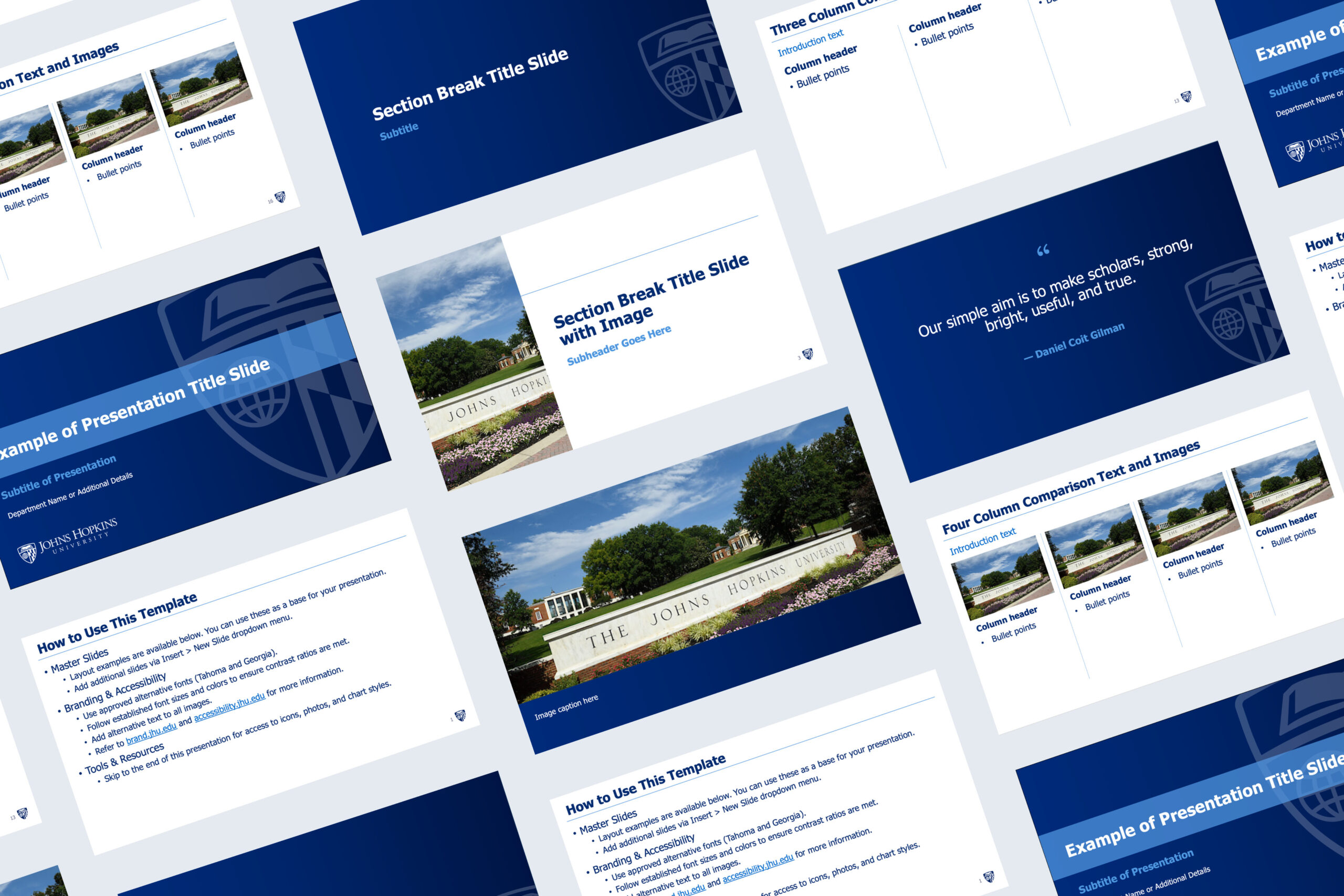
Riyadh, May 2026 – If you’ve stepped inside any ministry this year you’ve felt it: the air is different. Not colder but clearer. The junior army of 28-year-olds in navy suits who once shuttled weekly from DXB to Riyadh, platinum status flashing like medals, have thinned out. The Ritz-Carlton lobby no longer sounds like a McKinsey reunion. And the slide-deck industrial complex that turned Vision 2030 into a billion-dollar screensaver has been handed its last glass of Saudi coffee. We know, because we watched it happen.
The memo that stopped the music
No sirens, just a two-line procurement note: “New advisory spend frozen pending value review.” By May, existing invoices were pushed to Q3. PwC had already spent twelve months in the penalty box—60 partners and 1,500 staff gone. NEOM’s Line is now a careful ribbon instead of a 170-km mirrored canyon; the Mukaab is on hold; Trojena’s 2029 Asian Winter Games are indefinitely postponed. Mohammed al-Jadaan summarized the mood in his low-key way: “We have no ego about replanning when numbers don’t add up.” Translation: the Kingdom just cancelled its subscription to fantasy.
Rana Maristani, CEO of R Consultancy Group, put the binge into perspective in her recent piece “What Saudi Arabia Is Actually Doing With Its Consultants”: Vision 2030 itself was seeded by a 2015 McKinsey Global Institute paper on life after oil, and from that moment the major firms burrowed in so deep that insiders nick-named the planning ministry the “McKinsey Ministry.” By 2016 BCG alone was already logging 200 projects; last year the Saudi consulting market hit US $4.3 billion—up 14 per cent and still the biggest in the Gulf—proof, Maristani writes, of “a scale that tells you how much the Kingdom came to lean on outside advice,” and, by extension, how painful the withdrawal was always going to be.
What went wrong, The Saudi Times tally
McKinsey’s 2015 “four-trillion-dollar” Vision 2030 market map quietly became two trillion, yet the firm still cashed ~$130 m a year on NEOM alone.
A 2025 PIF audit labelled the same projections “overly ambitious,” Arabic for fiction.
BCG clocked 200 projects before 2016; locals still ask how many bricks those decks laid.
Strategy& (PwC) is only now re-entering buildings it once emptied.
Meanwhile we kept the receipts: junior consultants billing five-star weekends, PowerPoints recycled from Santiago to Singapore, and strategy workshops that ended with “next phase needs another six months.” Saudis started doing the math: one deck = 100 km of high-speed rail. They took the track.
Enter the UnConsultants
To get the counter view, we recently sat down with Shahid Khan, Arthur D. Little’s Saudi-based partner and self-declared “UnConsultant,” in their KAFD office. Khan has already built and exited two companies of his own, Mediamorph (sold to Whip Media) and MAG (sold to Arthur D. Little), the outfit Consulting Magazine nick-named one of the “Seven Small Jewels.” He still carries the old MAG card that reads “The UnConsultants,” a deliberate slap at slide-deck tourism.
“Consulting in KSA has became a con job,” Khan told The Saudi Times.
“Fly in, rent a suite, sell a dream, vanish. We do the opposite; we help build companies, scale them, and stay for execution support. That’s why they trust us.”
It’s that track-record, operator first, adviser second, that gets him invited to the pre-dawn meetings where key decisions are made. In a Kingdom that has torn up the expense account for tourist-PowerPoint, the guy who stays for Friday lunch is the one who’s already poured the concrete in his own start-ups.
Why it matters
The Kingdom isn’t anti-advice; it’s anti-milking. We’re witnessing an ethics reset in real time:
No more 400-page PDFs priced like a royal yacht.
No more “Dubai Monday-Riyadh Thursday” junior commuter consultants.
Partner stays, partner delivers, partner signs the P&L, that’s the new tariff.
The Kingdom Writes the Last Page of the PowerPoint Era. UnConsultants In
The Saudis writing Vision 2030 2.0 want co-investors, not co-authors. They want people who were here when the only skyline was the Kingdom Tower and will still be here when NEOM has traffic lights.
As one deputy minister put it over qahwa: “We tried buying optimism. It bounced. Now we’re buying competence, and we’re keeping the change.”
Saudi Arabia has finally stood up and said, “Enough.” The days of outsiders flying in, dropping a million-dollar deck, and flying out with Saudi cheques are over, The Kingdom has slammed the revolving door that once turned PowerPoint pages into petrodollars. Now Saudi only pays for what actually works, with fees to real EBITDA, and execution. From Riyadh to every capital still bleeding money for fancy PPTs and PDFs, The Kingdom is sending one simple message; bring your integrity, not just your slides. The slide-deck era is dead; the build-it era is Saudi-owned. Welcome to the age of the “UnConsultants”.