

By Izabella Rekiel
High Five is The Saudi Times’ weekly look at five sports stories, developments and events shaping the Kingdom’s sporting landscape. From emerging talent and grassroots programmes to the business of sport and technology, each week we look at what’s happening, why it matters and what to watch next.
Here are five stories on your radar this week.
1. Saudi Women’s Pro League enters week 7
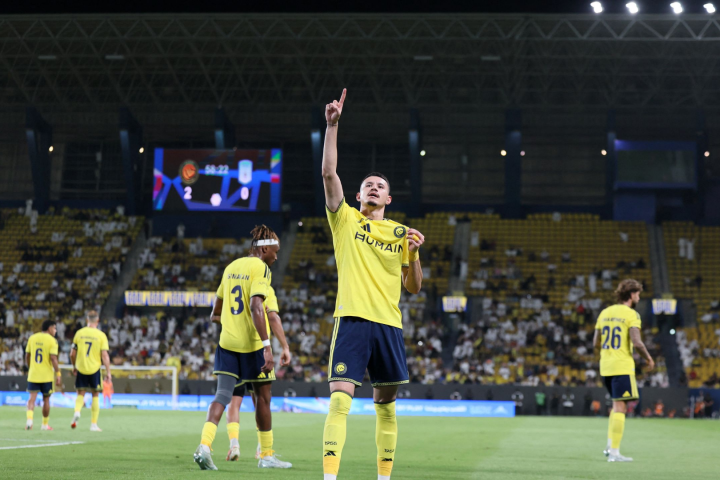
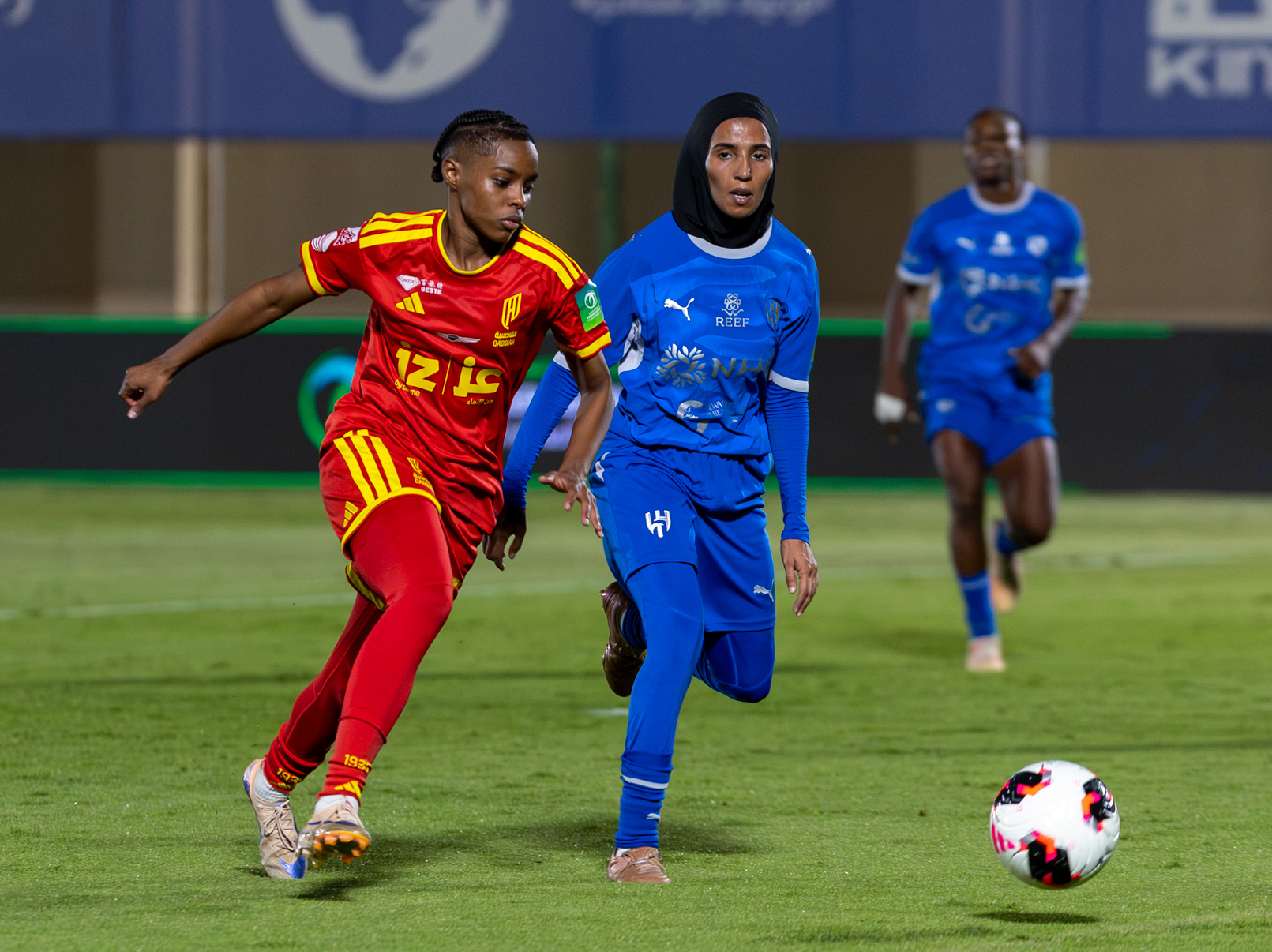
The Saudi Times was present at the 2026-27 SAFF Women’s Premier League match between Al Qadsiyah and Al Hilal on Friday 30 October in Riyadh. The match resulted in a 2-2 draw. Both teams earned a point towards the Saudi Women’s Premier League table with no change to their standings – Al Qadsiyah remains at the top with 16 points, Al Hilal is in fourth place with 10 points. Last season’s champions Al Nassr are currently second with 15 points.
Matchweek 7 will see two of the strongest teams face each other. On Saturday, 7 November, Al Qadsiah will host defending champions Al Nassr from Riyadh on their home turf at Al Qadsiyah Stadium in Al Khobar.
Other fixtures for matchweek 7 include:
- 5 November: NEOM vs Al Hilal
- 6 November: Al Taraji vs AlUla
- 6 November: Al Ahli vs Al Ittihad
- 7 November: Al Qadsiah vs Al Nassr
The fifth year of the competition features eight clubs playing 56 matches on a home-and-away basis.
Why it matters: Women’s football is gaining traction in the Saudi sports ecosystem. Development of commercial relations and greater exposure are contributing to Vision 2030 goals of an inclusive society and sports participation. Clubs such as Al Qadsiah have also attracted commercial partners including Genesis, Adidas, Tamimi Markets, Berain and Zoho.
What’s next: The Al Qadsiah and Al Nassr match could be a pivotal moment in the early title race, bringing together two clubs with strong teams and ambitions for the season.
2. Saudi Olympic Camel Cup returns to Riyadh for sixth year
The sixth edition of the Saudi Olympic Camel Cup takes place at Al Janadriyah Camel Racecourse from 1-5 November. The event features 24 cups over the five days where the total prize money exceeds SAR 10 million. The Saudi Olympic Camel Cup is organised under the Saudi Camel Racing Federation.
Competition spans several traditional camel categories, organised by age and gender, ranging from younger camels to mature males and females.
Race categories begin from Haqayiq (2-3 years age) and Laqaya (3-4 years) to Jatha’a (4-5 years) , Thanaya (5-6 years), Hail (mature female camels) and Zamoul (mature male camels). The races cover distances of four to eight kilometres.
Why it matters: Camel racing belongs to Saudi Arabia’s sporting and cultural heritage. The championship supports the development of the domestic racing industry, attracting owners and participants from across the region. Competitions like Saudi Olympic Camel Cup strengthen
What’s next: The 11th King Abdulaziz Camel Racing Award is the next festival event on the federation’s calendar, taking place December 1-31.
3. World Camelids Sport joins international sports alliance
On 28 October, World Camelids Sport (WCS), headed by H.H. Prince Fahd bin Jalawi bin Abdulaziz bin Musaed, was admitted as an associate member of the Alliance of Independent Recognized Members of Sport (AIMS). WCS, formerly known as the International Camel Racing Federation (ICRF), is the global governing body dedicated to promoting sports involving camels, llamas and alpacas.
AIMS represents sporting federations seeking IOC recognition. Established in 2009, AIMS members are given the opportunity to collaborate, engage, and integrate into the larger sports community, ultimately increasing their global visibility.
In February 2025, the Olympic Council of Asia recognised WCS as the official governing body for camel racing in Asia. The organisation represents more than 60 member federations and practitioners, giving it an existing international network on which to build.
Why it matters: Acceptance into the alliance will give camel racing a stronger presence within the international sports system which will create opportunities to develop common standards for competition, governance, animal welfare and participant safety. It also provides a platform to promote a traditional regional sport to a wider international audience, while preserving its cultural identity.
What’s next: WCS is looking to develop further international partnerships and ultimately secure full AIMS membership. The SportAccord Convention in Baku on May 9-13, 2027 will provide an opportunity for WCS to engage with international federations and potential partners on developing a more coordinated framework for future competitions. Discussions could cover alignment in race regulations, animal welfare, anti-doping procedures and competitor classifications, helping establish consistent standards for international events and making cross-border participation easier.
4. Ministry of Sport introduces new regulations for sports-event ticketing
On 26 October, the Ministry of Sport announced new regulations governing ticket sales and resale for sports competitions and events across the Kingdom. The regulations aim to improve consumer protection, strengthen oversight and prevent unauthorised ticket trading.
Key changes include:
- Ticket sales restricted to event organisers and Ministry-accredited platforms.
- Transparency around ticket prices, fees and refund policies.
- Restrictions on automated purchasing systems and multiple accounts used to bypass purchase limits.
- Stronger requirements around consumer data protection and cybersecurity.
The ticketing-platform accreditation service will launch on 15 November 2026 through the Ministry’s Riyadhi Platform. Existing platforms will have 90 days to comply with the new requirements.
Why it matters: As the Kingdom hosts more international competitions and attracts larger audiences, ticketing governance is an important part of the spectator experience.
What’s next: The accreditation process begins on 15 November, with existing ticketing platforms required to meet the new standards within 90 days.
5. Jockey Club of Saudi Arabia launches new academy
On 28 October, The Jockey Club of Saudi Arabia announced the launch of the Jockey Club Academy. The new initiative will focus on equestrian education, professional training and racehorse aftercare.
The academy aims to provide rehabilitation and retraining programmes for retired racehorses, preparing them for disciplines such as show jumping and dressage. They will also team up with King Faisal University to provide veterinary education and practical coursework. Community riding lessons will also take place in the facilities that boast 60 stables, a riding school and an air-conditioned indoor arena.
Why it matters: Sustainable racing ecosystems are supported via training, veterinary knowledge and the welfare of retired race horses – areas the academy will tackle. It will also address a vital part of the equestrian industry’s development and what happens beyond race day.
What’s next: The academy will develop its educational and community programmes, alongside its racehorse rehabilitation work