

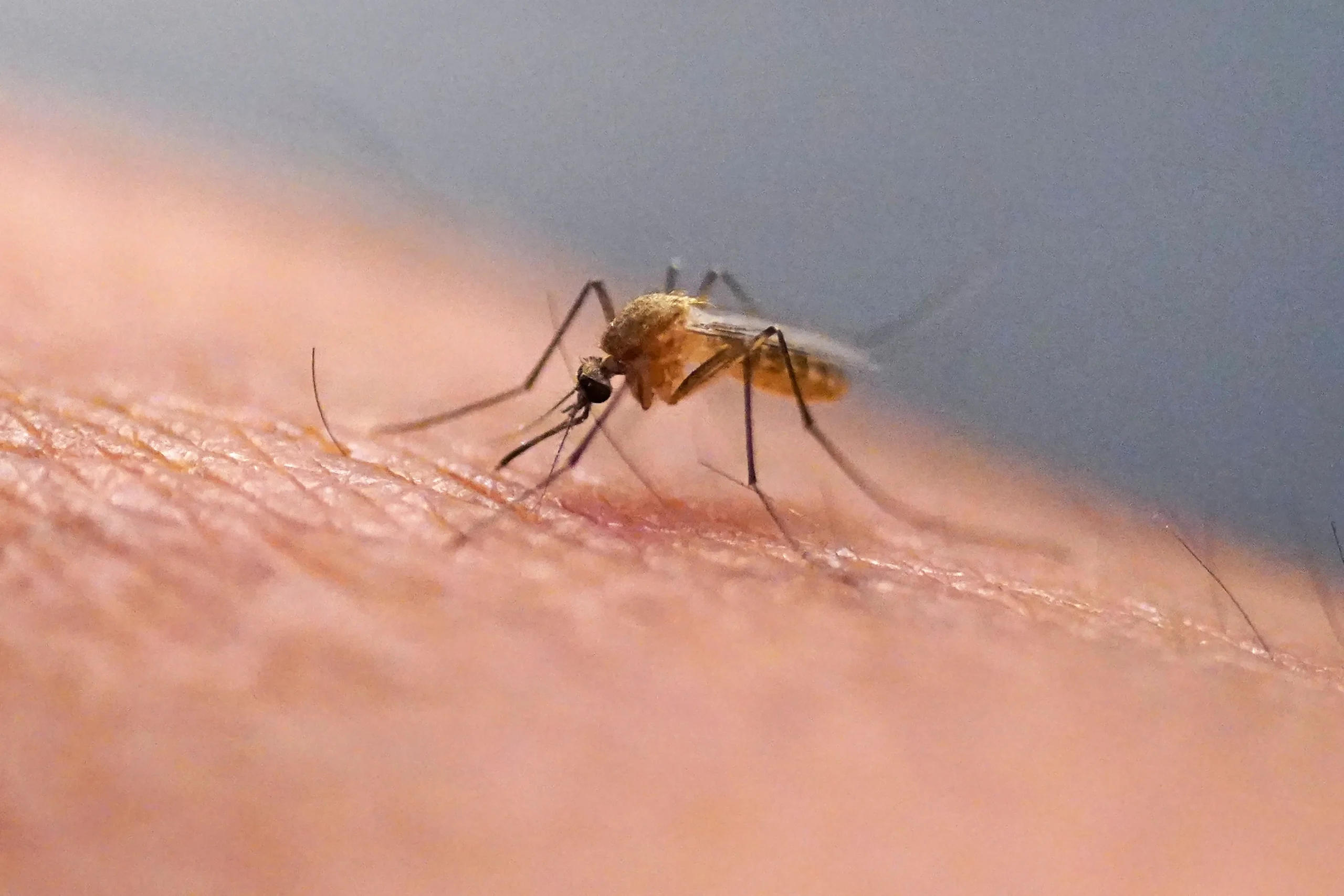
In an unusual yet highly innovative initiative, Google is seeking approval to release up to 32 million sterilized mosquitoes in California and Florida as part of its advanced “Debug” project aimed at reducing the spread of mosquito-borne diseases.
The program combines artificial intelligence, biotechnology, and large-scale data analysis to combat illnesses such as dengue fever, Zika virus, yellow fever, and chikungunya.
A Different Approach to Fighting Disease
Mosquitoes remain among the deadliest animals in the world due to their role in transmitting infectious diseases that affect millions of people every year.
Google’s strategy focuses on breeding sterile male mosquitoes carrying a naturally occurring bacterium known as Wolbachia. When these males mate with wild female mosquitoes, the resulting eggs fail to hatch, gradually reducing mosquito populations over time.
Because male mosquitoes do not bite humans or transmit diseases, the approach is considered safe while targeting disease-carrying populations at their source.
Artificial Intelligence at the Core
The project relies heavily on AI-powered computer vision systems capable of accurately separating male and female mosquitoes before release.
Advanced sensors, automated breeding systems, and data analytics are used to manage large-scale mosquito production and determine optimal release locations and quantities.
These technologies allow researchers to operate at a scale that would be impossible through traditional methods.
Proven Success in Singapore
The program has already delivered impressive results in Singapore, where large-scale releases of Wolbachia-carrying mosquitoes led to an 80–90% reduction in populations of Aedes aegypti mosquitoes.
Authorities also reported a decline of more than 70% in dengue fever cases within six to twelve months of deployment.
The success of these trials has encouraged further expansion and international interest in the technology.
A Sustainable Alternative to Pesticides
Scientists believe traditional mosquito-control methods face growing challenges, including insecticide resistance and the difficulty of eliminating every breeding site.
The sterile insect technique offers a more targeted and environmentally sustainable solution by reducing specific mosquito populations without widespread ecological disruption.
The Future of Disease Prevention
Google’s Debug project represents a new intersection between technology and public health, demonstrating how artificial intelligence and biotechnology can be applied to global health challenges.
If approved and successfully implemented in the United States, the initiative could pave the way for a new generation of technology-driven disease control programs capable of protecting millions of people worldwide.