

Saudi Arabia is expanding the use of artificial intelligence across its labor market, moving digital solutions beyond supportive tools toward systems embedded directly in recruitment, compliance and skills verification.
The approach is designed to accelerate hiring, strengthen workforce data, combat fraudulent practices and improve the alignment between employers and jobseekers.
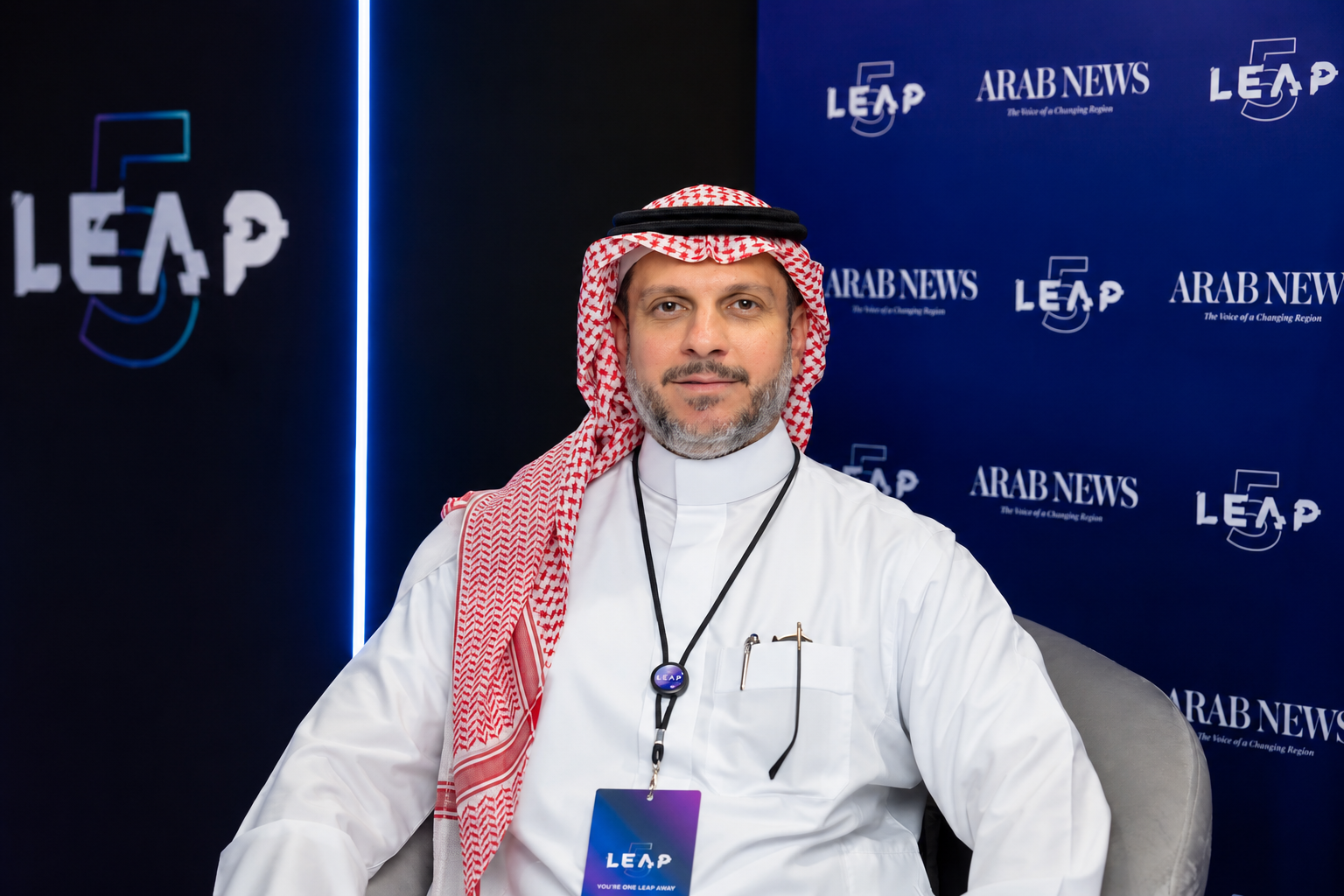
Speaking on the sidelines of LEAP 2026 in Riyadh, Dr. Saud Almandil, chief information and digitalization officer at Takamol, outlined how intelligent systems are being integrated into everyday labor-market transactions to address operational challenges and support employment objectives across the Kingdom.
AI Embedded Directly Into Labor-Market Transactions
Almandil explained that Takamol is integrating AI directly into labor-market transactions rather than limiting its use to reporting and analysis after processes have been completed.
Large language models and advanced analytics process more than 300,000 job-role requests each month in real time, checking whether each request is consistent with the establishment’s licensed business activity.
AI is also being used to support employment contracts. Takamol’s contract assistant covers more than 750,000 contracts per month, with employers potentially adding up to 25 clauses. The system identifies potential conflicts with regulations and explains them while the contract is being prepared.
The approach effectively moves compliance closer to the point where business decisions are made, helping reduce administrative delays and the cost of correcting compliance issues later.
Verifying Skills Before Workers Reach the Kingdom
AI-powered verification is also being applied to international workforce recruitment.
According to Almandil, skills assessments are conducted through more than 200 examination centers across over 160 countries, allowing worker capabilities to be tested before individuals arrive in Saudi Arabia.
Computer vision and neural-network technologies are used to verify identities within seconds, while intelligent video analytics support more than 100,000 assessment sessions each month.
The scale represents a significant expansion in monitoring capacity compared with previous processes, helping Takamol verify qualifications across a much larger international talent pool.
The strategy is consistent with Takamol’s broader AI approach, which focuses on using technology to empower people and organizations while improving talent acquisition and career alignment.
Tackling Fictitious Localization
Within the domestic labor market, analytics are being used to identify cases of fictitious Saudization, where Saudi nationals may be registered on company payrolls without actually performing work at the establishment.
Such practices can artificially increase a company’s localization rate and provide access to benefits or additional visas associated with meeting localization requirements.
The use of intelligent analytics shifts the focus from simply counting registered employees to verifying whether employment relationships are genuine.
Almandil described authenticity as the common factor connecting skills verification and localization, emphasizing the importance of reliable employment data.
Smarter Matching Between Jobseekers and Employers
AI is also changing how jobseekers interact with employment opportunities.
Takamol uses intelligent document-understanding technologies to extract education, experience and skills directly from CVs. Recommendation models then analyze jobseekers’ profiles and behavior to identify potentially suitable vacancies.
According to figures presented by Almandil, within three months 30 percent of applicants no longer needed to re-enter information already contained in their resumes, while engagement with vacancies increased 2.7 times.
The results suggest that AI can improve recruitment not only by identifying suitable candidates but also by removing administrative barriers that can discourage applicants during the hiring process.
Removing Barriers to Workforce Participation
Takamol’s approach also recognizes that effective job matching is only one part of successful labor-market participation.
The organization supports programs designed to address practical barriers, including Qurrah, which provides workplace childcare services through more than 16 branches, and Mowaamah, which certifies employers on workplace inclusion.
These services reflect a broader understanding of employment as an ecosystem in which access to opportunities depends not only on skills and vacancies but also on the conditions that allow people to participate and remain in the workforce.
Building a More Efficient and Trusted Digital Labor Market
Takamol says its AI strategy is focused on enhancing human potential rather than replacing people, with applications spanning compliance, automation, workforce development and human-centered digital experiences.
The developments form part of a broader digital transformation of Saudi Arabia’s labor market, where digital platforms increasingly manage interactions between employers, employees and jobseekers.
Takamol describes Qiwa as the main digital interface for Saudi Arabia’s labor market, providing automated services for businesses and individuals while supporting business growth, expansion and continuity.
As AI expands across recruitment, skills verification and compliance, Saudi Arabia’s labor-market ecosystem is moving toward a model built increasingly around real-time data and intelligent analysis. The objective is to make processes faster and more accurate, protect genuine employment and help Saudi talent reach opportunities that better match their capabilities.