

By Izabella Rekiel
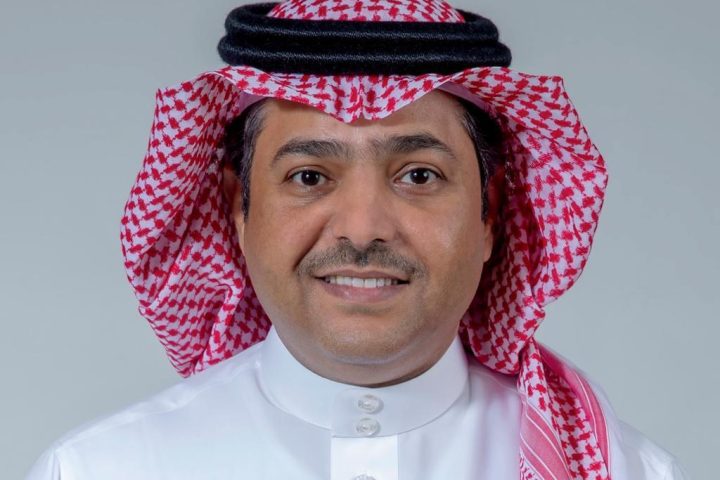
In a football game, there are the 90 minutes everyone sees. And then there are the hours that most people never do. For Mazen Aljari, those invisible hours have become the focus of his career.
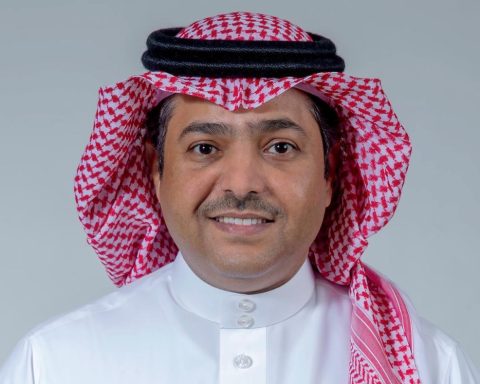
Once a professional football player, Mazen now works on the other side of the pitch as Chief Operating Officer of the Local Organising Committee for the AFC Asian Cup Saudi Arabia (AC27). His attention has shifted from what happens during the match to everything that has to happen around it : the preparation, coordination, movement, logistics and decisions that allow thousands of people to experience a tournament as seamlessly as possible.
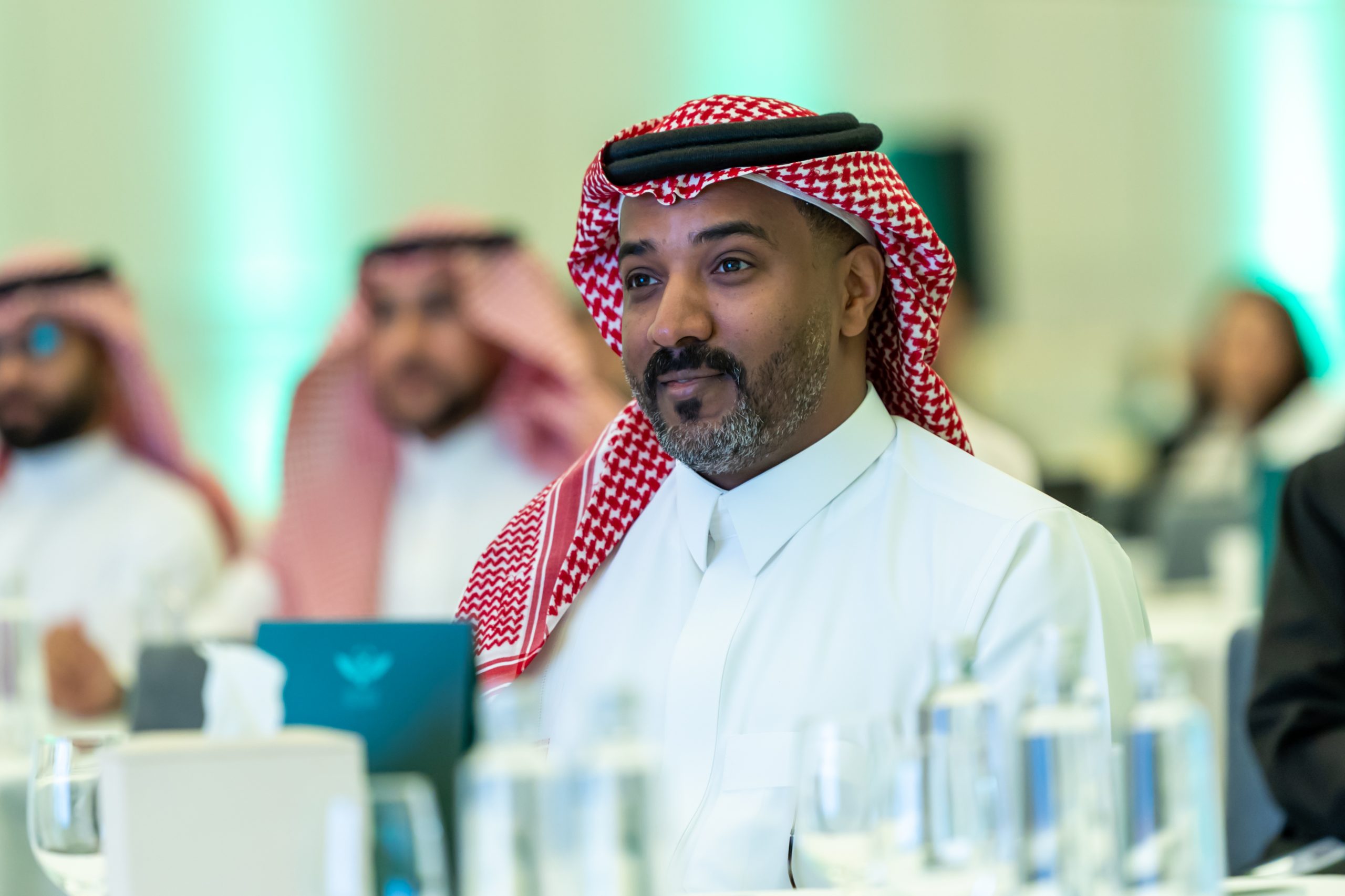
“I still think like a player in many ways,” Mazen tells The Saudi Times. “Football teaches you very early that what people see on matchday is the result of everything that happens beforehand.”
His career has taken him from the pitch into some of the Kingdom’s biggest sporting events, including the Dakar Rally, FIA Formula E and the FIFA Club World Cup Saudi Arabia 20223 in Jeddah,as well as international experience with FIFA. Each has offered a different lesson in what it takes to deliver sport at scale.
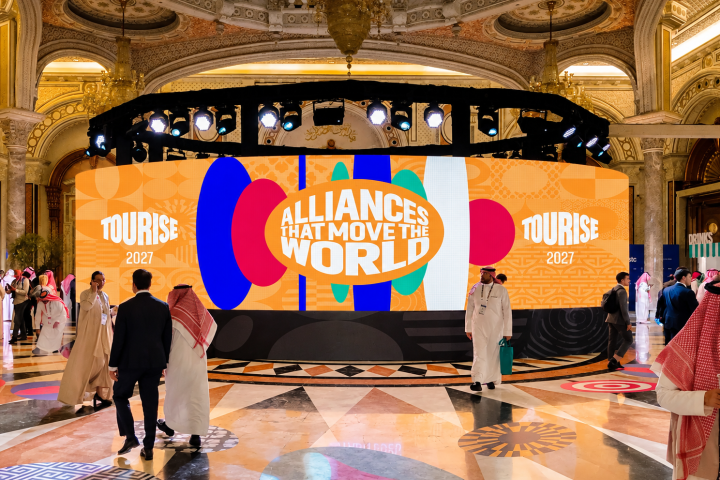
As the Kingdom prepares to host the AFC Asian Cup Saudi Arabia 2027 for the first time, Mazen is helping coordinate an operation spanning Riyadh, Jeddah and Al Khobar, bringing together stadiums, training sites, hotels, transport networks, technology, broadcasters, teams, officials and supporters.
From Player to Operator
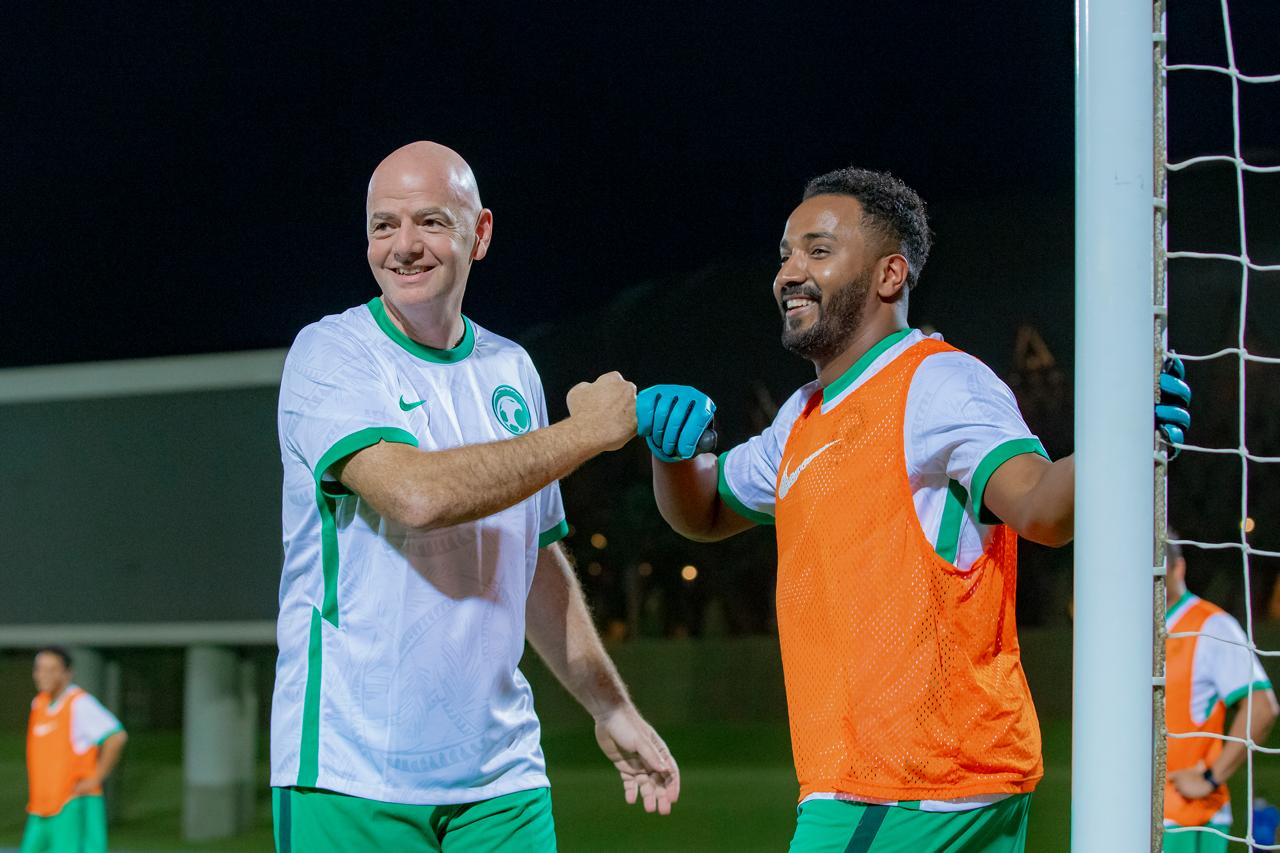
Mazen’s transition from professional football to sports executive is a classic climb-up-the-ranks story. Starting with work in events and entertainment, he then moved to the Ministry of Sport working as Events Executive Director on some of the most prestigious international championships that were adding the Kingdom to their global sporting calendars. The wealth of experience has given Mazen a perspective that connects the many dots of the sporting experience.
“No single department can deliver a tournament on its own,” he says. “Competition, venues, event services, safety and security, transport, technology, logistics and many other functions all have to operate as one team”.
His experience has exposed him to very different operational environments. The Dakar Rally taught him adaptability. His international work with FIFA gave him a broader understanding of the standards expected at global events, particularly football that are arguably the biggest and most complex.
The FIFA Club World Cup Saudi Arabia 2023 in Jeddah was particularly significant, bringing international tournament requirements together with local delivery.
“You can have an excellent stadium, a strong plan, and experienced teams, but if those elements are not connected, participants and fans will feel the gap” Mazen replied when asked which career experience has shaped him the most.
One Tournament, Three Cities
AC27 will be the first AFC Asian Cup hosted by Saudi Arabia, with matches taking place across Riyadh, Jeddah and Al Khobar.
“Riyadh, Jeddah and Al Khobar each have their own venues, infrastructure, transport environments, and operational characteristics,” Mazen says. “But teams, officials, media and fans should experience the same standards wherever they are.”
The tournament will connect eight stadiums, 31 training sites – 29 for teams and one for referees – and more than 40 host hotels.
More than 50 government, semi-government and private-sector organizations are involved across the host cities, covering competition operations, venue readiness, media and broadcast, safety and security, technology and other areas.
An integrated command and monitoring centre will provide an overview of tournament operations across the three cities, allowing teams to monitor developments and coordinate with stakeholders when decisions or support are required.
“The objective is not simply to manage three cities successfully,” Mazen says. “It is to make them feel like one tournament.”
The Tests Before 2027
AC27 is also being shaped by a series of tournaments already delivered in Saudi Arabia.
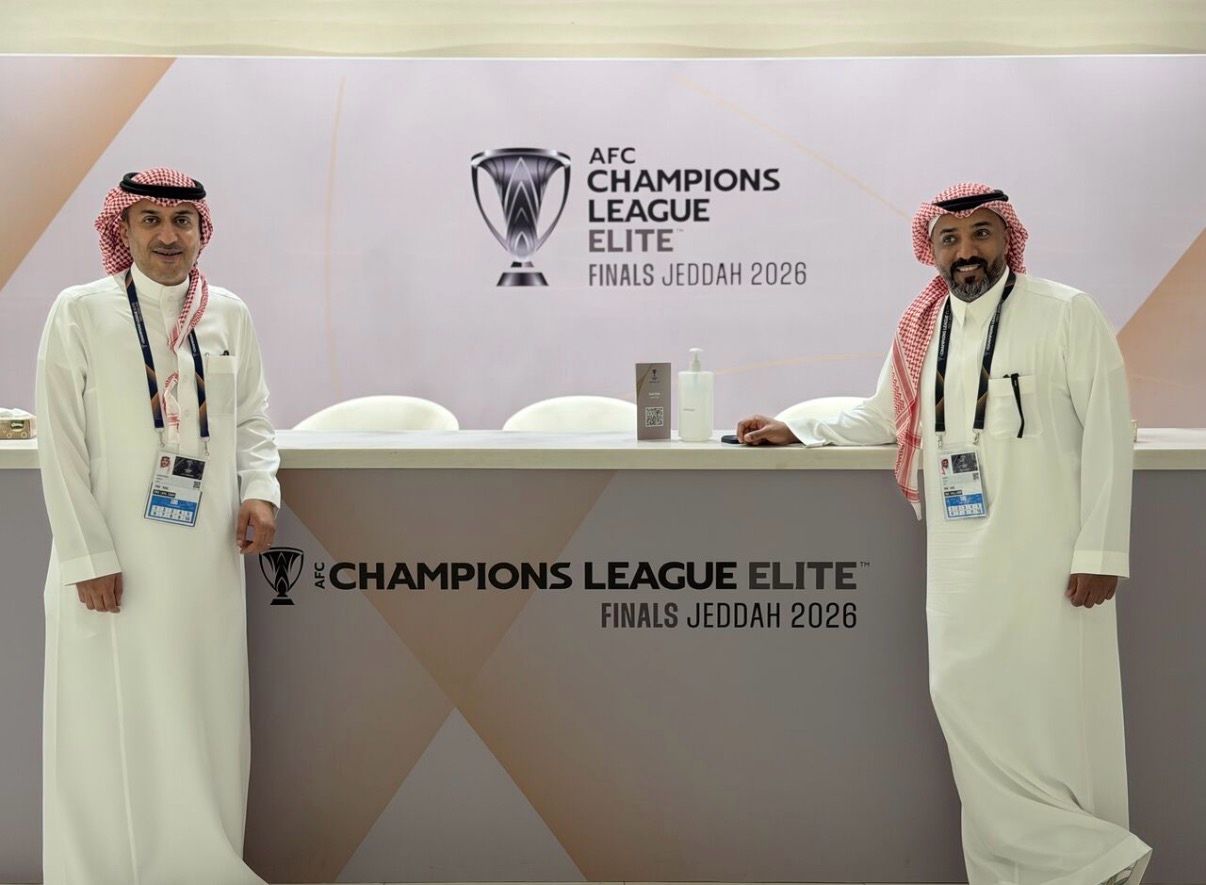
The AFC U23 Asian Cup Saudi Arabia 2026 provided experience operating across Riyadh and Jeddah, with 16 participating teams and four stadiums. The AFC Champions League Elite Finals 2026 brought more than 200,000 fans to Jeddah alongside more than 40 international broadcasters, while the AFC U17 Asian Cup Saudi Arabia 2026 provided another test across teams, venues, workforce and matchday delivery.
Khaleeji 27 adds another useful layer, with eight of the 24 teams participating also set to compete at AC27.
Since the beginning of 2026, the LOC says its teams have delivered three major AFC competitions across two Saudi cities, staging 71 matches and welcoming more than 238,000 fans.
Mazen knows that each event is another opportunity to identify what can be improved.
“The biggest lesson is that you should never treat a successful tournament as confirmation that your systems are finished,” he says. “You should treat every tournament as an opportunity to test, learn, and improve.”
The objective is to arrive at AC27 with systems that have already been tested under the real tournament conditions, rather than being introduced for the first time when the stakes are highest.
Beyond the Stadium
The tournament begins long before the fans enter a stadium.
Mazen sees the passage between each stage of the fan journey as critical to the overall experience : travelling from the airport to accommodation, reaching the stadium, navigating the last mile, entering the venue and eventually leaving after the match.
The question that Mazen asks when fine tuning these details is “how efficiently can thousands of people leave and continue their evening?”
Those details sit alongside transport, accessibility, venue access, movement inside the stadium and services. Ticketing, fan ID and other elements of the customer journey are being managed in coordination with the LOC’s Commercial and Experience colleagues.
Technology will support the process, but Mazen identifies it should have a practical purpose.
“The objective is not to introduce technology for its own sake, it should make the experience seamless.”
Building Local Expertise
The growing calendar of international sport in Saudi Arabia is also creating something less visible but potentially longer lasting : a deeper pool of local expertise.
Saudi Arabia has hosted more than 150 international sporting events since 2018, according to Mazen, giving Saudi professionals opportunities to work under real event conditions across venue operations, competition management, safety and security, technology and guest services.
Mazen observes that “one of the biggest changes is that the experience is now compounding.”
Saudi professionals are increasingly working alongside international experts and taking on greater responsibility. The aim is for that knowledge to remain within the Kingdom and move from one event to the next.
“The next event should never start from zero,” Mazen says. “Each event should start from a stronger position than the one before it.”
The Legacy of AC27
Supporters arriving from across Asia will encounter Saudi Arabia through its stadiums, but also through its cities, hospitality and culture.
“Football is the reason people will come, but the experience they take home will be much broader than the 90 minutes they spend in the stadium,” Mazen says.
He sees that legacy as two pronged. One is what visitors remember when they return home; the other is what remains in Saudi Arabia after the tournament.
“Our ambition for the AFC Asian Cup Saudi Arabia 2027 is to create remarkable experiences with a lasting impact,” he says. That work also sits within Saudi Arabia’s longer-term development as a host of major international sports, including the FIFA World Cup 2034.
For now, the focus remains on AC27.