

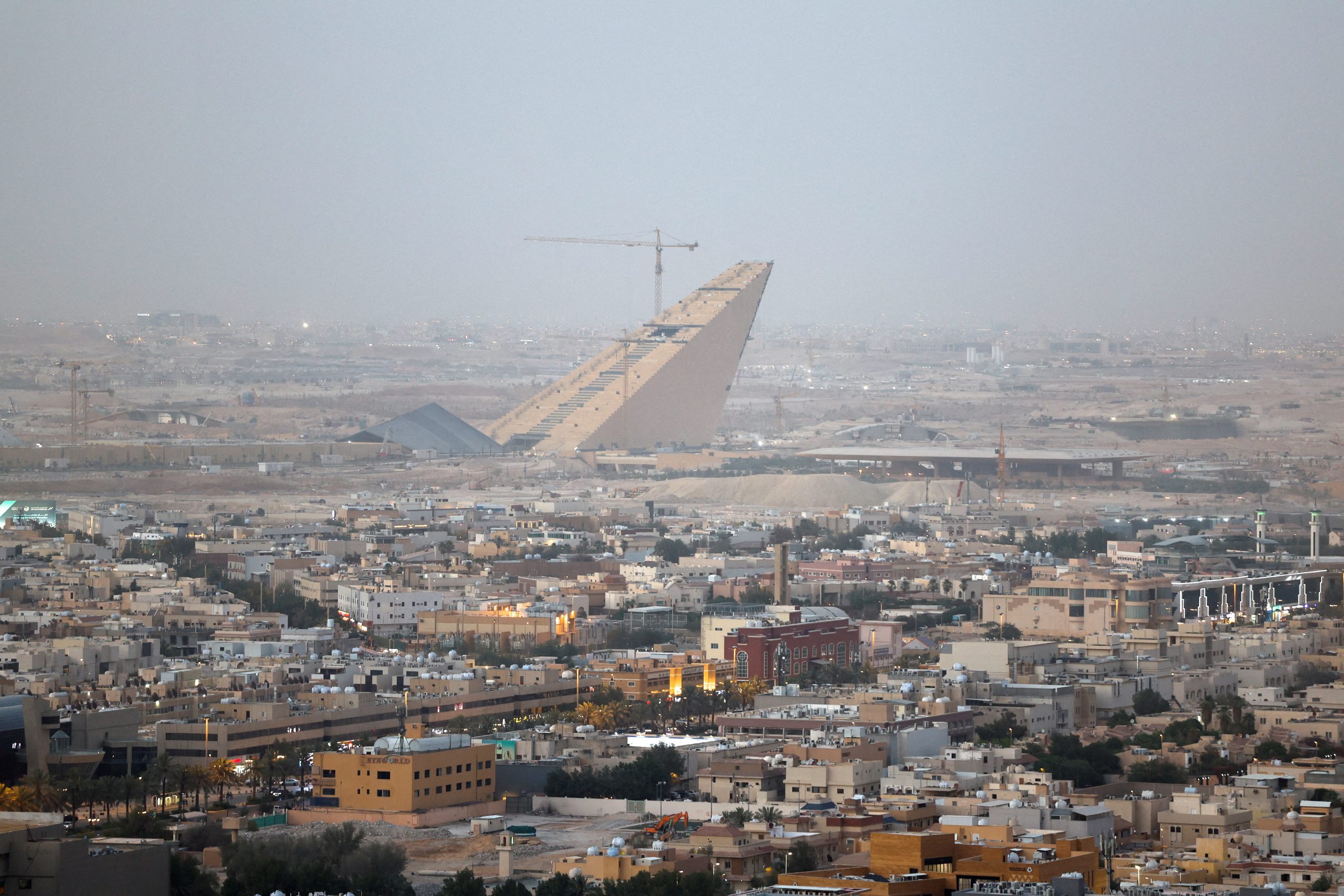
Saudi Arabia’s non-oil private sector continued to expand in February 2026, though the pace of growth eased slightly from the levels recorded in January. The latest Purchasing Managers’ Index survey, released on Tuesday, showed that competitive pressures and rising input costs tempered expansion, while underlying demand across the economy remained resilient.
PMI Signals Continued but Slower Expansion
The Riyad Bank Saudi Arabia PMI registered its lowest reading in nine months during February, indicating that while the non-oil economy is still growing, the momentum has moderated compared to the strong performance seen in late 2025 and early 2026. New order growth continued at a healthy clip, supported by domestic consumption and ongoing government-backed projects, but firms reported increased competition within their sectors.
Input costs rose during the month, driven in part by higher material prices and wage pressures as companies competed for skilled workers. Despite these headwinds, employment across the non-oil private sector continued to increase, reflecting confidence among businesses in the medium-term outlook.
Domestic Demand Remains a Pillar of Strength
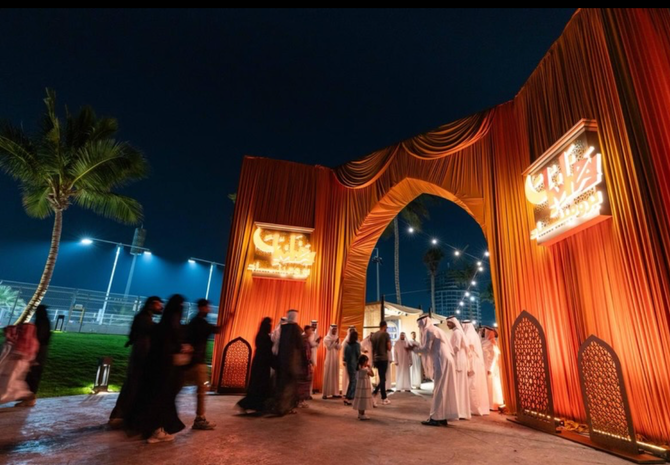
Analysts noted that the sustained growth in new business orders underscores the fundamental strength of Saudi Arabia’s domestic economy. Consumer spending during Ramadan has historically provided a seasonal boost to the retail, food and beverage, and hospitality sectors, and early indicators suggest this year is no exception.
The Kingdom’s ongoing investment in giga-projects, infrastructure, and entertainment continues to generate demand across construction, services, and manufacturing. These long-term commitments provide a structural floor beneath private sector activity, even during periods of global economic uncertainty.
Vision 2030 Diversification Gains Traction
The February PMI data reinforces the broader narrative of Saudi Arabia’s economic diversification under Vision 2030. The non-oil sector has become an increasingly important driver of GDP growth, reducing the Kingdom’s historical dependence on petroleum revenues.
Government reforms aimed at attracting foreign investment, developing the tourism sector, and expanding the digital economy have contributed to a more diversified economic base. The sustained expansion of the private sector, even at a moderated pace, signals that these structural changes are delivering tangible results.
Looking ahead, economists expect growth to pick up again in the coming months as Ramadan-related spending peaks and as major project milestones are reached across Riyadh, Jeddah, and NEOM. The combination of strong domestic fundamentals and a clear reform agenda positions Saudi Arabia’s non-oil economy for continued resilience through 2026.