

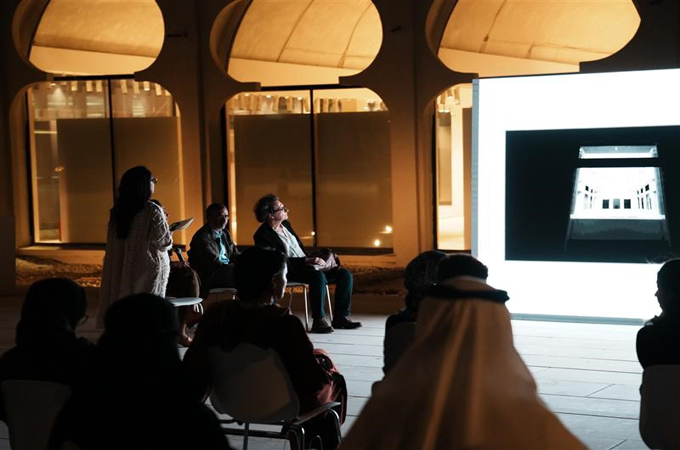
The Red Sea Museum, one of Saudi Arabia’s newest cultural landmarks nestled in Jeddah’s historic Al-Balad district, has emerged as a major draw for residents and visitors during Ramadan, hosting a carefully curated programme of exhibitions, workshops, and community events that celebrate the Kingdom’s rich maritime and artistic heritage.
A Living Space for Heritage and Creativity
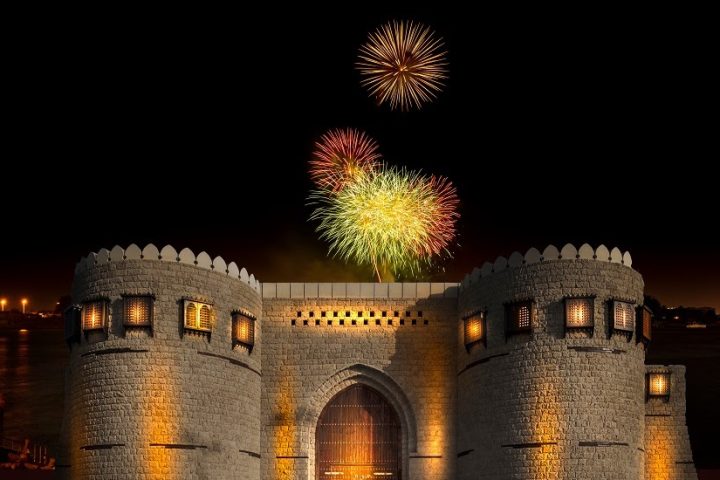
Operated under the Saudi Museums Commission, part of the Ministry of Culture, the Red Sea Museum occupies the beautifully restored Bab Al Bunt building within the UNESCO-listed historic quarter of Jeddah. Since its opening, the museum has established itself as a cultural anchor for the western region, blending centuries of Red Sea maritime history with contemporary art and interactive experiences.
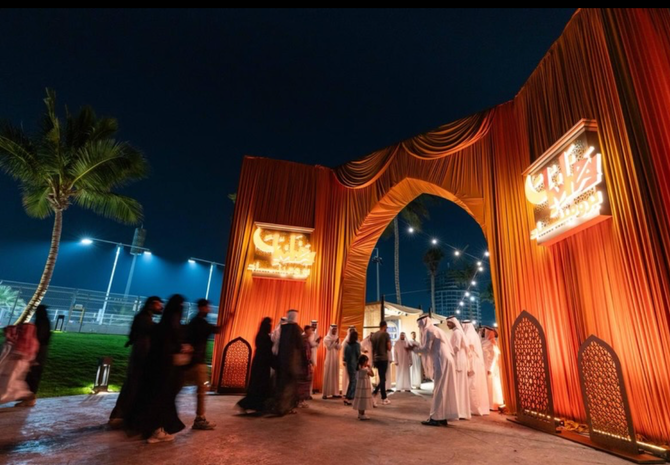
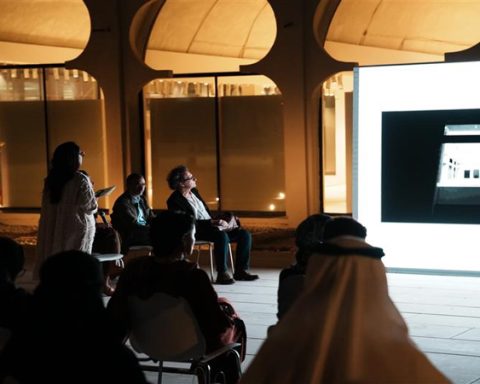
For Ramadan 2026, the museum has designed a programme that runs throughout the holy month, featuring evening events that align with the rhythms of Ramadan life. After iftar, families and art enthusiasts gather in the museum’s galleries and courtyard spaces for workshops in traditional calligraphy, ceramics, and textile arts, all rooted in the craftsmanship traditions of the Hejaz region.
Exhibitions That Bridge Past and Present
The museum’s permanent collection spans 23 galleries housing over 1,000 artifacts and artworks. Visitors can trace the history of the Red Sea from ancient trade routes to modern maritime culture through archaeological finds, navigation instruments, Chinese porcelain recovered from historic shipwrecks, Hajj memorabilia, Islamic manuscripts, and contemporary artworks inspired by the sea.
The current temporary exhibition, titled “Gate of Gates,” presents a photographic series by Saudi artist and curator Moath Alofi, capturing the transformation of Bab Al Bunt before its restoration. The exhibition has drawn particular attention during Ramadan, as visitors reflect on themes of preservation, memory, and the continuity of heritage in a rapidly modernizing Kingdom.
Cultural Tourism and Vision 2030
The Red Sea Museum’s success during Ramadan reflects a broader trend in Saudi Arabia’s cultural landscape. Under Vision 2030, the Kingdom has invested heavily in museums, galleries, and heritage sites as pillars of a diversified economy and enriched national identity. Jeddah’s Al-Balad district, already a UNESCO World Heritage Site, has seen renewed energy as restoration projects transform historic buildings into vibrant cultural venues.
The museum welcomes visitors during Ramadan evenings, with extended hours designed to accommodate the season’s schedule. Admission is free for many of the Ramadan programme’s events, making the experience accessible to a wide audience of families, students, and cultural tourists from across the Kingdom and beyond.