

By Izabella Rekiel
When the World Football Summit (WFS) celebrates its 10th anniversary in Madrid this September, it will mark a decade since the platform was created to bring together the people shaping football beyond the pitch – from clubs and leagues to investors, rights holders, technology companies and sporting institutions.
Since its first edition in 2016, WFS has expanded internationally alongside a football industry that has itself undergone significant change. New investment markets have emerged, technology has reshaped the way the game is consumed and commercialised, and the balance of influence in global football has continued to shift.
Few developments illustrate that change more clearly than Saudi Arabia.
WFS will return to Riyadh in January 2027, during the AFC Asian Cup, after establishing a permanent presence in the Kingdom in 2023. For Jan Alessie, Co-Founder and Managing Director of WFS, Saudi Arabia’s rise was difficult to predict at the organisation’s launch in 2016 – but it was a transformation WFS began watching early.
When asked if WFS imagined that Saudi Arabia would become such an important part of the global football conversation Jan told The Saudi Times , “No, not at this scale. Nobody could have called this exact path back in 2016. But we started paying attention early.”
By 2019, WFS was following the structural development of Saudi football, including state-backed clubs and the movement of Saudi capital into European football. At the end of 2022, the organisation decided to bring WFS to Saudi Arabia, before Cristiano Ronaldo signed for Al Nassr and before the wave of international signings that followed.
“We’d committed to a permanent presence before most of the industry had caught up to what was happening here,” Jan said.
Beyond the Headlines
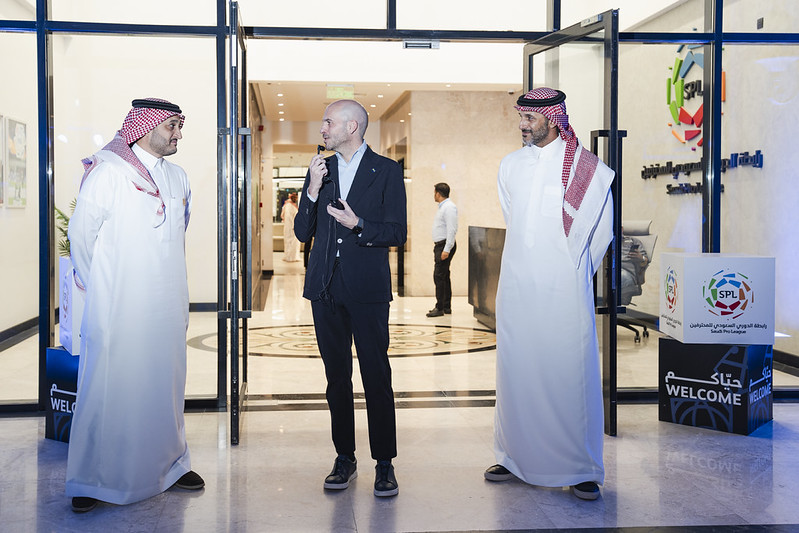
Since establishing itself in the Kingdom, WFS has watched the transformation from inside its own events.
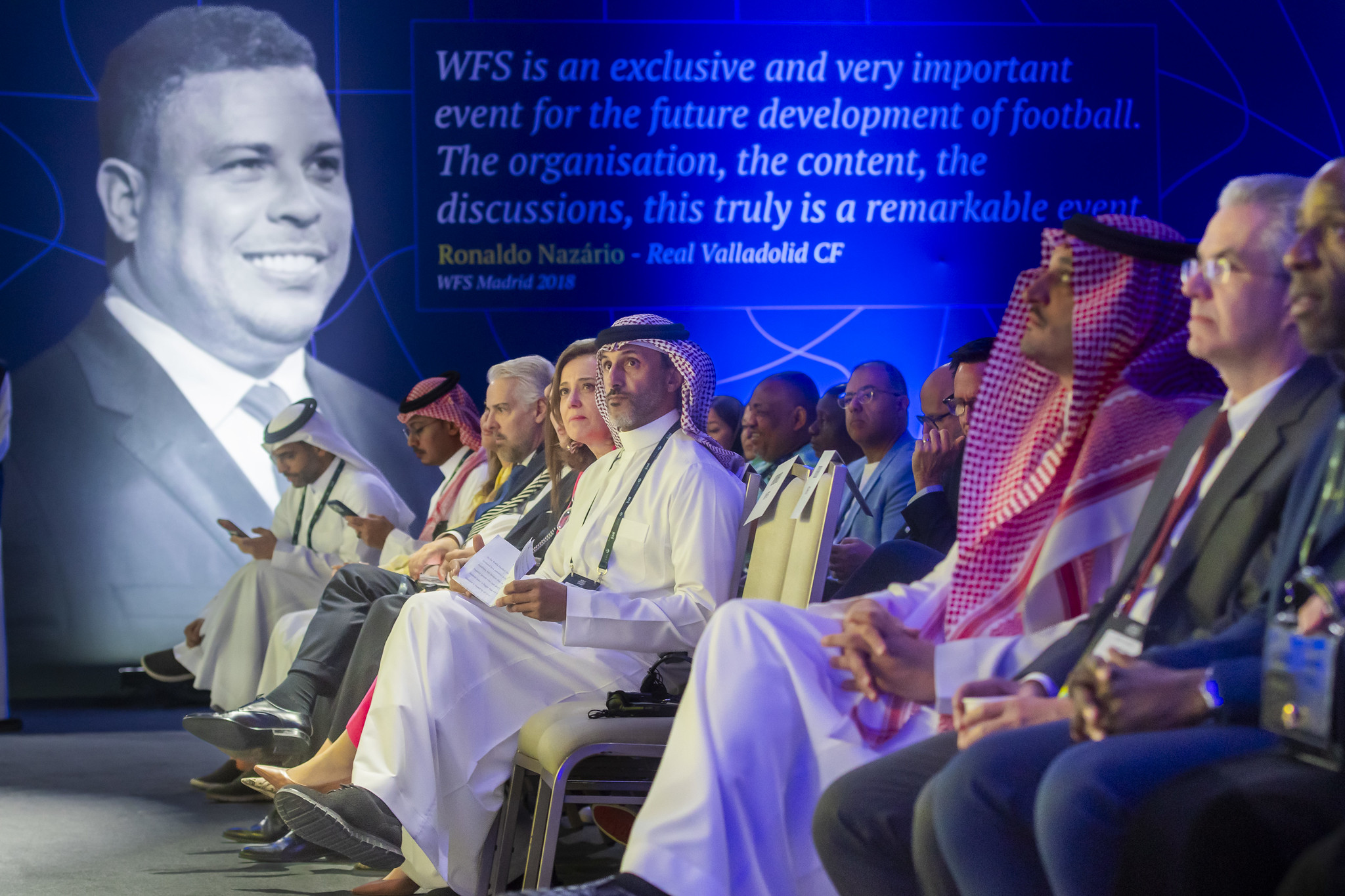
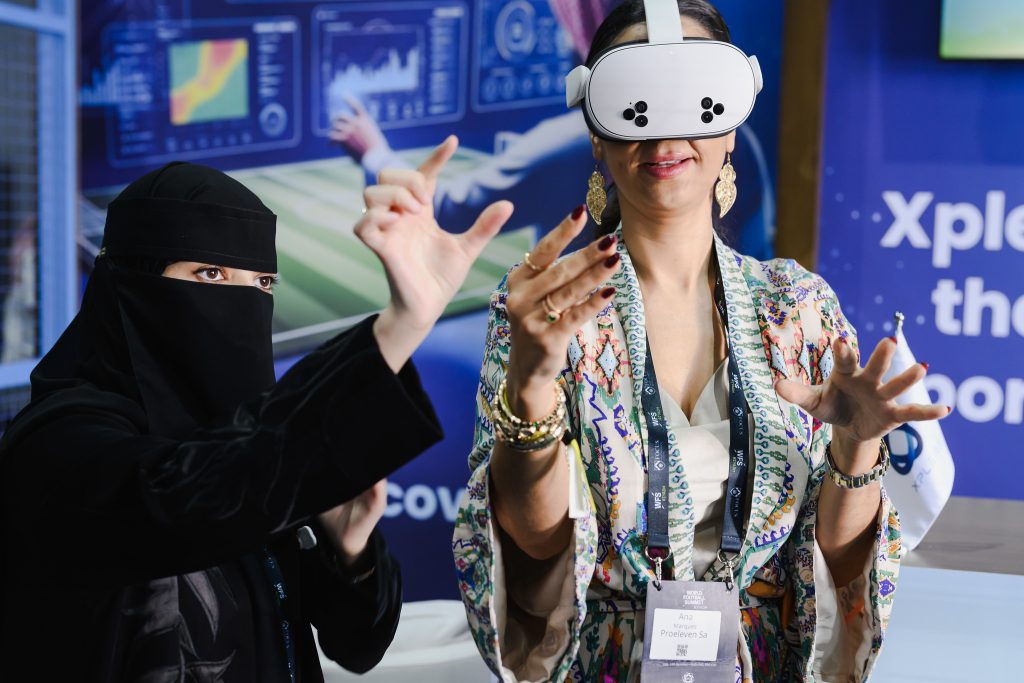
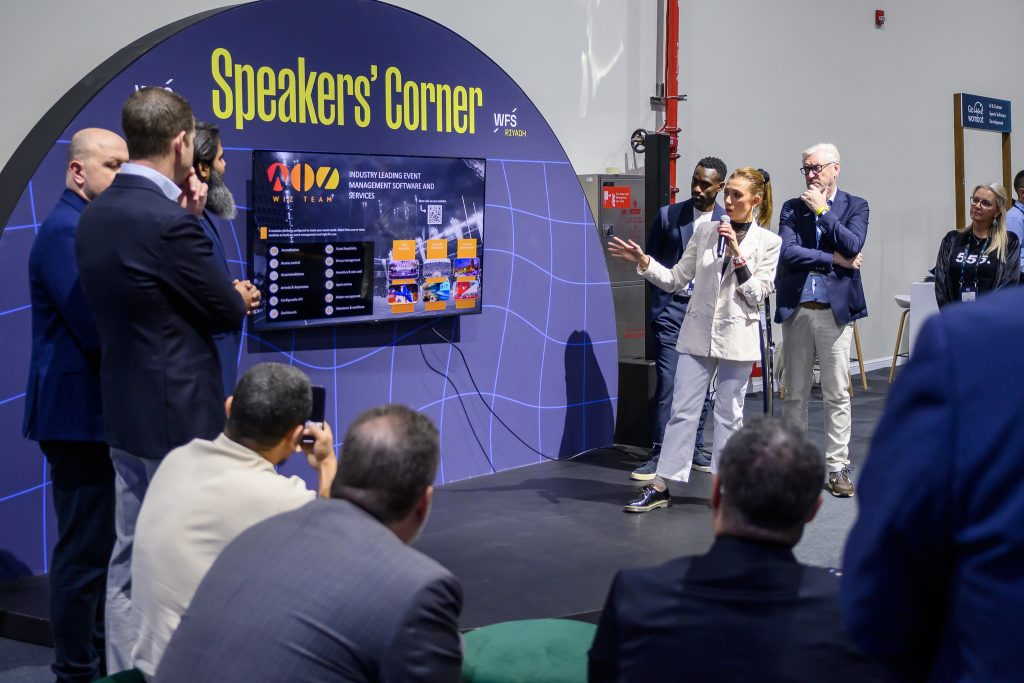
At WFS Riyadh 2025, more than 2,500 participants from over 80 countries gathered at Misk City, with representation from the Saudi Pro League, Serie A, La Liga and all 18 SPL clubs.
But Jan believes the most significant changes are happening away from the pitch.
“The part that tells the real story isn’t the players. It’s the people running the game,” he commented.
Saudi football is increasingly attracting experienced executives from abroad, while Saudi professionals from other industries are moving into sport.
“That’s what professionalisation actually looks like: not just signing talent on the pitch, but building the expertise to run the game off it.”
The figures support a broader picture of change. At the 2025 summit, WFS heard that weekly sports participation among Saudis had risen from 13 percent to 59 percent over nine years, while 11 clubs had been privatised and Saudi Pro League revenue had tripled in three years.
For Majed AlAli, CEO of M.A. Sports and WFS’s local partner, the growing involvement of Saudi football’s domestic institutions is equally important.
“Having the support of the Saudi Pro League, alongside strong representation from all 18 SPL clubs, was a meaningful endorsement,” Majed said.
He sees WFS Riyadh evolving beyond an annual conference.
“Our vision for WFS Riyadh is to expand beyond this two-day event and evolve into a year-round activation,” he said, describing a future platform focused on continued engagement and development of the Saudi sports ecosystem.
Riyadh’s Next Football Moment
The next edition of WFS Riyadh will take place during the AFC Asian Cup in January 2027, creating an unusual convergence of football competition and football business.
For Jan, the timing is deliberate.
“Our job as a platform is to serve the industry, which means adapting to what it needs, not the other way around,” he stated.
WFS followed a similar model in 2023, when its first Saudi edition coincided with the Club World Cup in Jeddah.
“When hundreds of football professionals are already in town for the football, it’s the natural moment to bring them together off the pitch too,” Jan said.
The timing reflects how significantly Saudi Arabia’s football calendar has expanded since WFS first committed to the Kingdom.
The country is now preparing to host the AFC Asian Cup in 2027 and the FIFA World Cup in 2034, with the infrastructure, investment and expertise required to stage both events reshaping the wider sports ecosystem.
Looking to 2036
Asked what the football industry might look like when WFS reaches its 20th anniversary in 2036, Jan avoided making detailed predictions.
But he is confident that live football will remain central.
“The more of our lives move onto screens, scripted and filtered and optimised, the more people crave the one thing you can’t fake: a result nobody in the world knows in advance,” he said.
By 2036, Saudi Arabia will have hosted its first World Cup – an event Jan believes will have implications far beyond football.
“Preparing to host the greatest show on earth is reshaping infrastructure, tourism, and how the world sees the country,” he said.
For WFS, the journey from Madrid to Riyadh offers its own reflection of that changing landscape.
What began in 2016 as a platform for understanding football’s future now finds itself operating in one of the markets helping to shape it.