

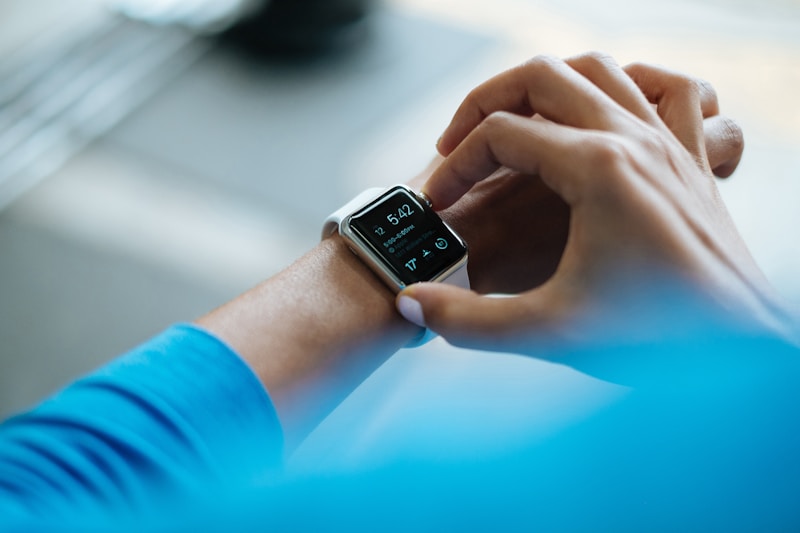
There’s something slightly unsettling about a watch that knows your blood pressure is creeping up before you feel anything wrong. But that’s exactly what Apple just made possible.
The latest watchOS update added hypertension alerts to the Apple Watch. It’s not a blood pressure monitor—it doesn’t give you numbers like those arm cuffs at the pharmacy. Instead, it watches patterns over time and nudges you when something looks off.
For a condition that earns the nickname “the silent killer,” having a persistent watchdog on your wrist might actually save lives.
How Does It Even Work?
The Watch doesn’t squeeze your arm, obviously. So how can it detect blood pressure issues?
It’s all about patterns. The device tracks your heart rate constantly—not just when you’re exercising, but while you sleep, during that stressful meeting, when you’re stuck in traffic. It notices things. Subtle shifts in how your heart behaves, changes in your activity patterns, variations in your pulse that might mean something’s changing.
The algorithm compares your data against baseline patterns. When it spots something that looks concerning over days or weeks, it gives you a heads-up: maybe talk to your doctor.
Think of it less like a medical device and more like a really attentive friend who happens to be monitoring your vital signs 24/7. Slightly creepy, but potentially useful.
Why This Actually Matters
Here’s the thing about high blood pressure: most people who have it don’t know. There are no symptoms. You feel fine right up until you have a stroke or a heart attack or your kidneys start failing. By then, you’ve already done years of damage.
Traditional monitoring means going to a clinic, strapping on a cuff, and getting a reading that may or may not reflect your actual daily blood pressure. Doctors call it “white coat syndrome”—your numbers spike just from the stress of being at the doctor’s office.
A smartwatch doesn’t have that problem. It’s collecting data while you live your actual life. That’s way more useful information than a single snapshot in a clinical setting.
The Privacy Trade-Off
Let’s be real for a second: this is intimate data.
Your watch knows when you sleep, how well you sleep, when your heart races, when you’re sedentary for too long. It knows things about your body that you might not consciously notice yourself. All that information lives somewhere.
Apple claims health data stays on your device and gets encrypted. But features get more sophisticated over time. Integration with healthcare systems might eventually require sharing more. And once data exists, there’s always some risk it ends up somewhere you didn’t intend.
None of this means you shouldn’t use the feature. Just go in with eyes open. The convenience of passive health monitoring comes with trade-offs.
What Comes Next
Hypertension alerts are just the beginning. The industry’s working on continuous glucose monitoring without finger pricks—huge for diabetics. Stress hormone detection. Maybe even early screening for certain diseases.
Samsung, Garmin, and others are racing to match Apple’s health capabilities. Competition drives innovation, which means these features will probably improve quickly.
We’re heading toward a world where our devices know our bodies better than we do. For conditions like high blood pressure, where early detection genuinely saves lives, that might be exactly what we need.
Your watch is watching. In this case, that’s probably a good thing.
Source: Apple