

For the millions of expatriates living and working in Saudi Arabia, the holy month of Ramadan offers an experience that many describe as profoundly different from observing the fast anywhere else in the world. From the spiritual atmosphere of the Two Holy Mosques to the communal iftar gatherings that bring entire neighborhoods together, Ramadan in the Kingdom carries a depth and authenticity that leaves a lasting impression.
A Spiritual Atmosphere Like No Other
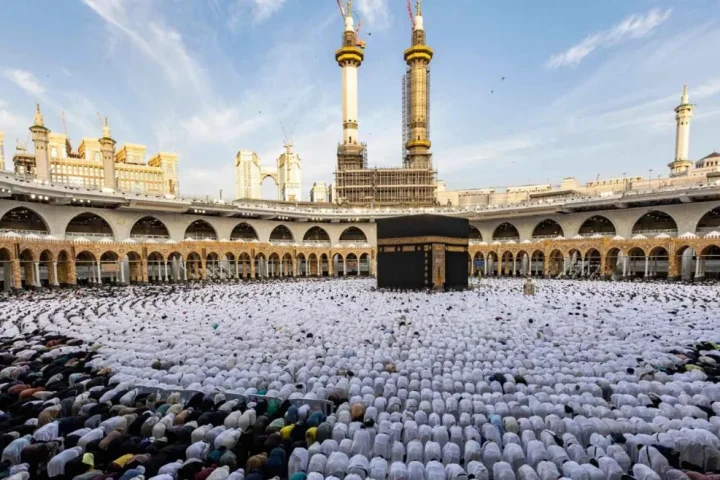
The ability to perform Umrah during Ramadan draws expatriates from across the Kingdom to Makkah, where the Grand Mosque operates under a comprehensive plan designed to serve worshippers around the clock. The Prophet’s Mosque in Madinah similarly welcomes millions of visitors throughout the month, with extended prayer sessions and Quran recitation programs that create an atmosphere of deep devotion.
For many expats, the opportunity to pray Taraweeh at either of the Two Holy Mosques represents a once-in-a-lifetime spiritual milestone. The experience of standing shoulder to shoulder with worshippers from every corner of the globe, united in faith under the vast expanses of these sacred spaces, is something many describe as transformative.
Community Spirit and Shared Meals
Across Saudi cities, the communal nature of Ramadan manifests in countless ways. Mosques distribute iftar meals to workers and passersby. Neighborhoods organize collective suhoor gatherings that stretch into the early morning hours. Charitable organizations scale up their efforts, with food distribution campaigns reaching communities in every region of the Kingdom.
The tradition of sharing food transcends cultural boundaries during Ramadan. Expatriate communities from South Asia, Southeast Asia, Africa, and the Arab world each bring their culinary traditions to the iftar table, creating a rich tapestry of flavors that reflects Saudi Arabia’s diverse population. Many restaurants and hotels offer elaborate iftar and suhoor buffets that celebrate this diversity while honoring traditional Saudi dishes.
The Rhythm of Ramadan Life
Daily life in Saudi Arabia shifts noticeably during Ramadan. Work hours are shortened by two hours for both government and private sector employees, allowing more time for worship and family. Shopping malls adjust their hours, with many staying open well past midnight to accommodate the post-iftar rush. The Riyadh Metro has extended its operating hours to serve late-night commuters during the holy month.
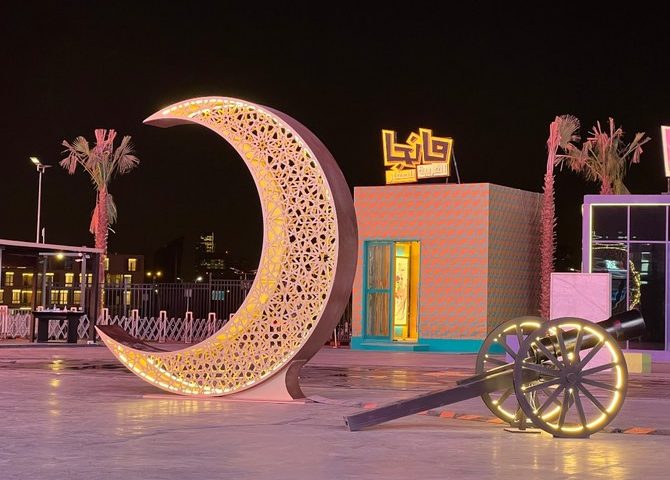
The Kingdom’s entertainment and cultural sectors have also embraced the Ramadan season. Special television programming, including beloved Saudi comedy series, dominates evening schedules. Cultural events, poetry readings, and exhibitions organized across major cities offer residents meaningful ways to spend their evenings after breaking the fast.
A Growing Global Destination for Ramadan
Saudi Arabia’s investments in infrastructure, hospitality, and visitor services have made the Kingdom an increasingly attractive destination for Ramadan tourism. The expansion of the Grand Mosque, improvements to Madinah’s visitor facilities, and the development of new hotels and transportation networks have significantly enhanced the experience for both residents and visitors alike.
As the Kingdom continues to welcome the world under its Vision 2030 ambitions, Ramadan remains a season that showcases Saudi Arabia at its most generous and spiritually vibrant, a time when the warmth of its people and the depth of its traditions shine brightest.