


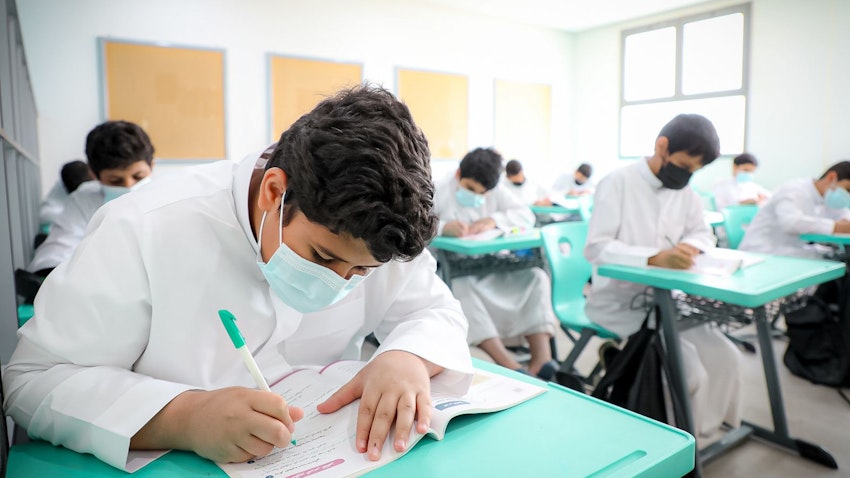
With Ramadan just weeks away, the Ministry of Education has clarified how schools across the Kingdom will operate during the holy month.
The message is balanced: schools will remain open, but with adjustments designed to ease the burden on students and families.
The approach reflects a growing effort to align academic structure with the spiritual rhythm of Ramadan.
Adjusted Schedules to Support Fasting Students
One of the most important changes is timing.
Morning start times will move later, giving fasting students extra rest before the school day begins.
Lesson durations will be shortened, and break times adjusted to reflect the physical demands of fasting.
It’s a practical shift — and one many parents feel should have been standardized years ago.
Only 11 School Days During Ramadan
Here’s the figure that stands out:
students will attend school for approximately 11 days during Ramadan itself.
Most of the month coincides with previously scheduled breaks and the extended Eid Al-Fitr holiday, which runs this year from March 6 to March 28.
That’s a 28-day break built directly into the second-semester calendar.
The academic year has clearly been designed with Ramadan’s cadence in mind.
Flexibility Comes With Firm Discipline
While schedules are more accommodating, expectations remain strict.
Morning delays are not permitted.
Schools must adhere exactly to approved start and end times.
Early departures are prohibited, and school leaders are held personally accountable for what the Ministry describes as student “leakage” during the school day.
Uniform regulations also remain unchanged.
Despite fasting and shorter hours, students are expected to maintain their standard appearance.
Teachers, meanwhile, have been instructed to maximize every instructional minute, ensuring that reduced class time does not mean reduced learning.
Attendance Monitoring With a Supportive Focus
The Ministry will closely track absences throughout Ramadan.
Students likely to miss school will be identified, and reasons for absence carefully reviewed.
Officials stress that this monitoring is not punitive.
Instead, it aims to provide psychological and educational support to students who struggle with the adjusted schedule.
A Clear Message to Families
For more than six million students across the Kingdom, the message is straightforward:
commit to the 11 school days, stay focused, and a long holiday follows.
The policy strikes a deliberate balance — honoring the spiritual importance of Ramadan while preserving academic continuity.
Families hoping for a full shutdown may be disappointed, but 11 school days with adjusted hours is about as accommodating as a national education system can realistically offer.