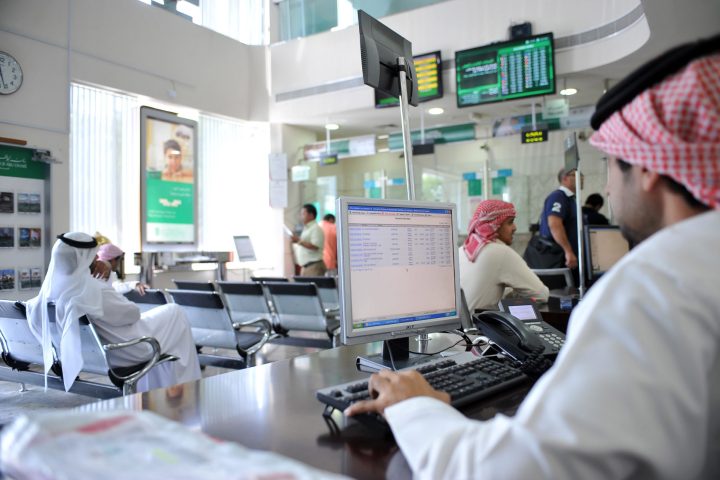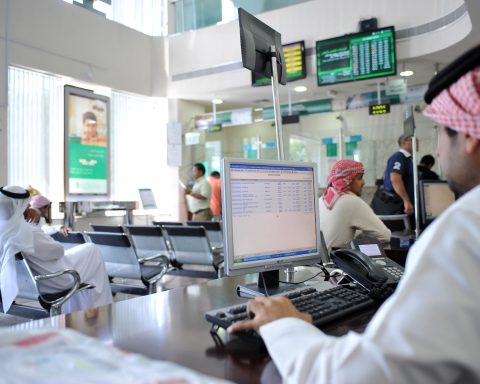



Saudi Arabia’s stock market returned from its Eid Al-Fitr holiday on Tuesday with a measured opening session, as the Tadawul All Share Index held near the 10,940-point level in a first day of trading shaped more by investor caution than conviction. The session marked the resumption of activity after the longest market closure of the year, with traders navigating a backdrop of global uncertainty while keeping one eye firmly on Wednesday’s scheduled FTSE Russell index rebalancing.
A Steady but Cautious First Session Back
The TASI opened Tuesday’s session at 10,954 points before trading across a range of 10,880 to 10,983 during the day, ultimately settling at 10,941 — a modest gain of 4.74 points, or approximately 0.04%, from the previous close of 10,946. Total value traded across the session reached SAR 3.24 billion, with 154 million shares changing hands across 199,931 individual transactions, reflecting healthy participation without the kind of directional conviction that tends to emerge in the first session after a major holiday.
The market’s relatively flat performance was broadly consistent with what analysts had anticipated. Following a holiday period that kept Saudi traders away from their screens since March 16, the session served primarily as a re-engagement point — a chance for investors to assess how global markets had moved during the break and to position accordingly ahead of what is expected to be a more active few days.
FTSE Russell Changes Set to Drive Institutional Flows on Wednesday
The session’s restrained tone was in no small part a function of what lies immediately ahead. FTSE Russell is scheduled to implement its latest round of index changes affecting the Saudi market on Wednesday, March 25 — an event that historically generates meaningful institutional inflows and outflows as global funds tracking the index adjust their positions to reflect updated constituent weightings.
Index rebalancings of this nature are among the most predictable sources of structured liquidity in any emerging market, and Saudi Arabia’s steady deepening of integration into global indices has made these events progressively more significant for the Tadawul. Foreign institutional investors, who track the FTSE Emerging Markets Index and its sub-indices, will execute trades largely at or around Wednesday’s market close to minimise tracking error — a dynamic that can produce concentrated volume spikes in the stocks most affected by the changes.
Market Breadth and Sector Leadership
Despite the overall index’s muted move, the session produced clear winners at the individual stock level. Among the day’s best performers were Bawan, which surged 9.97%, alongside APC rising 8.56% and MESC climbing 7.65%, reflecting selective optimism in the capital goods and industrials space. The broader market breadth was mixed, consistent with a session defined by stock-picking rather than macro momentum.
With the TASI still carrying a year-to-date gain of approximately 4.2%, Saudi Arabia’s market enters the post-Eid period from a position of relative resilience. The combination of a reopened exchange, a forthcoming index rebalancing, and a solid pipeline of corporate disclosures from companies that had deferred announcements during the holiday period sets the stage for a potentially more active trading week than the quiet Tuesday opening might suggest.