


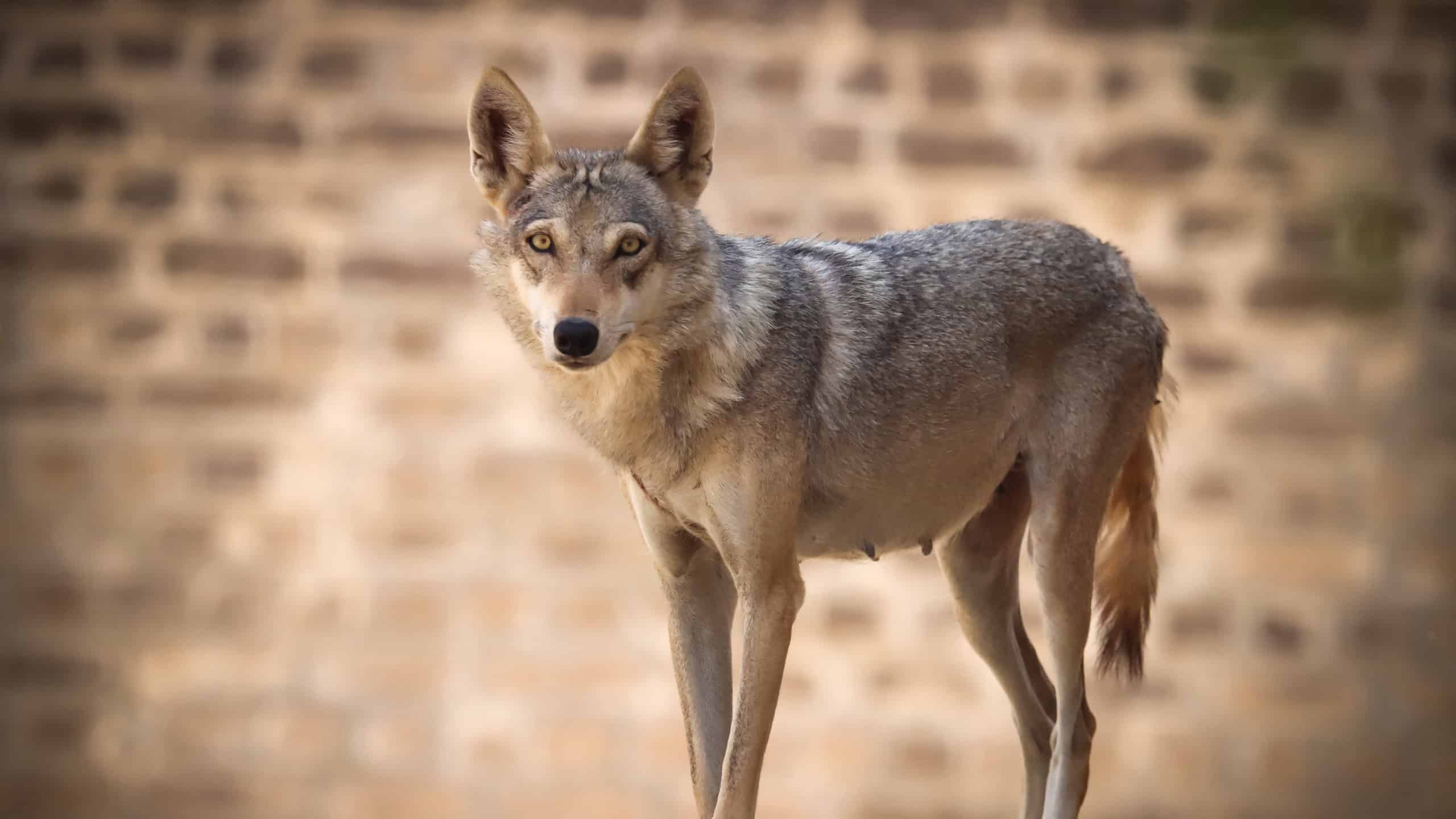
Saudi Arabia is waging a critical environmental battle to protect the Arabian wolf, a species increasingly threatened by habitat loss and human-wildlife conflict. Considered one of the rarest wolf subspecies in the Middle East, the Arabian wolf has survived for millennia in the harsh desert environment, relying on its agility and adaptability to endure extreme conditions.
Today, this iconic desert predator faces mounting pressures. Rapid urban expansion has reduced its natural habitat, food sources have diminished, and encounters with humans in rural areas often lead to conflict. As a result, populations have declined significantly, prompting urgent action from conservation authorities and wildlife organizations.
The Kingdom is implementing a multifaceted conservation strategy that includes breeding and rehabilitation programs, anti-poaching awareness campaigns, and comprehensive monitoring systems to track the wolves’ movements and safeguard their remaining environments. Protected reserves play a pivotal role in these efforts, providing safe havens where threatened species can recover and thrive.
Experts emphasize the ecological importance of the Arabian wolf, highlighting its role in maintaining natural balance by controlling populations of certain animals that could disrupt ecosystems if left unchecked. Protecting the wolf is therefore not only a matter of biodiversity, but also a preservation of a species deeply woven into the natural and cultural heritage of the region.
Despite the challenges, researchers and conservation teams remain committed to securing a future for the Arabian wolf. Through scientific initiatives and long-term strategies, they aim to restore population numbers and ensure that this resilient desert survivor continues to roam freely across the landscapes it has called home for centuries.