

A convergence of global shipping disruptions and a rapidly maturing domestic consumer market is driving greater interest in Saudi-made and Saudi-owned brands, with analysts and retailers pointing to a structural shift that is beginning to reshape the Kingdom’s retail landscape in ways that go well beyond a temporary trend.
Ongoing pressures on international supply chains have made imported goods more expensive and less predictable in terms of availability. For Saudi consumers, that has meant a growing openness to homegrown alternatives — from fashion and personal care to food and consumer technology — and a commercial opportunity that local brands are increasingly well-placed to capture.
Local Brands Finding Their Footing
Saudi Arabia’s retail sector is forecast to grow at a compound annual rate of 7.8 percent between 2026 and 2030, according to industry analysis, with total retail sales expected to surpass 176 billion US dollars in 2026 alone. That growth is being driven not only by population expansion and rising household incomes, but also by a generational shift in consumer identity — one that is increasingly comfortable with, and even proud of, products developed and produced within the Kingdom.
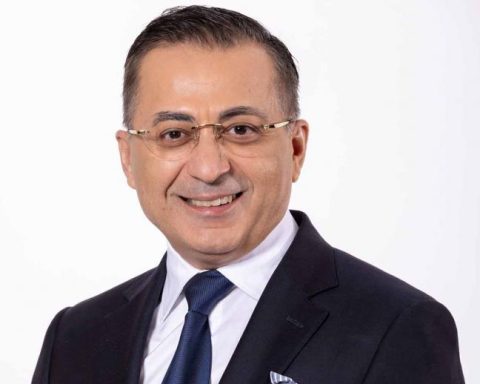
This dynamic was evident earlier this year at the RLC Global Forum in Riyadh, where retail leaders debated Saudi Arabia’s growing ambition to set its own terms in the global marketplace rather than simply attracting international names. Saudi Fashion Commission CEO Burak Cakmak outlined a detailed vision for homegrown brands to compete internationally, reflecting broader confidence in the creative and commercial potential of Saudi enterprise.
Vision 2030 and the Retail Transformation
The rise of local brands sits squarely within the ambitions of Vision 2030, which has consistently emphasised the development of a diverse, knowledge-driven economy less reliant on oil revenues. Retail is a key lever in that transition, and the government has invested significantly in the infrastructure, incentives, and regulatory environment needed to help domestic businesses grow and compete.
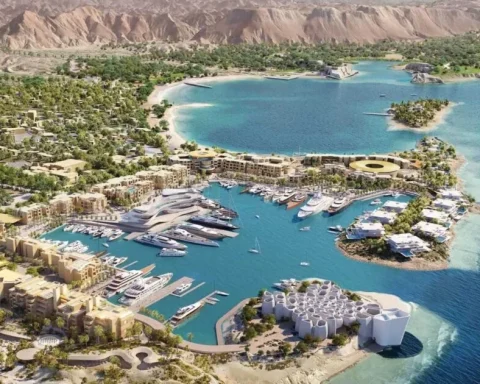
Mega-projects including Qiddiya, New Murabba, and Diriyah are creating entirely new retail environments designed to showcase Saudi brands to both local and international audiences. These developments do more than provide commercial space — they signal a commitment to building an ecosystem in which Saudi commercial identity can take root and flourish on a global stage.
An Opening That Saudi Companies Are Moving to Fill
The Cenomi Centers group recently signed a strategic lease agreement with Saudi Downtown Company, a further sign that major retail operators are aligning themselves with Vision 2030’s next generation of commercial destinations. Each new development represents both a venue and a statement of intent from a market that is actively building its own ecosystem for commerce, culture, and consumption.
For Saudi brands themselves, the current moment carries real commercial weight. Supply chain pressures have accelerated a shift that was already underway, creating an opening that forward-looking companies across the Kingdom are moving quickly to fill. Whether in fashion, food, or technology, Saudi Arabia’s home-grown commercial identity is taking shape with a pace and confidence that few would have predicted even a few years ago.