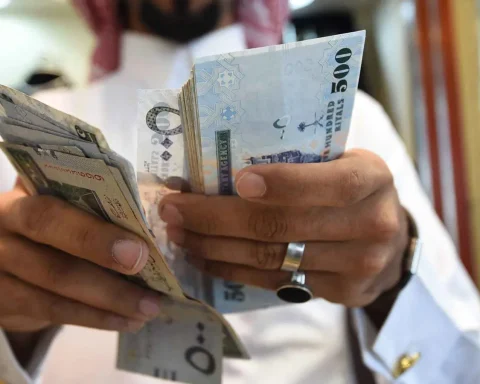


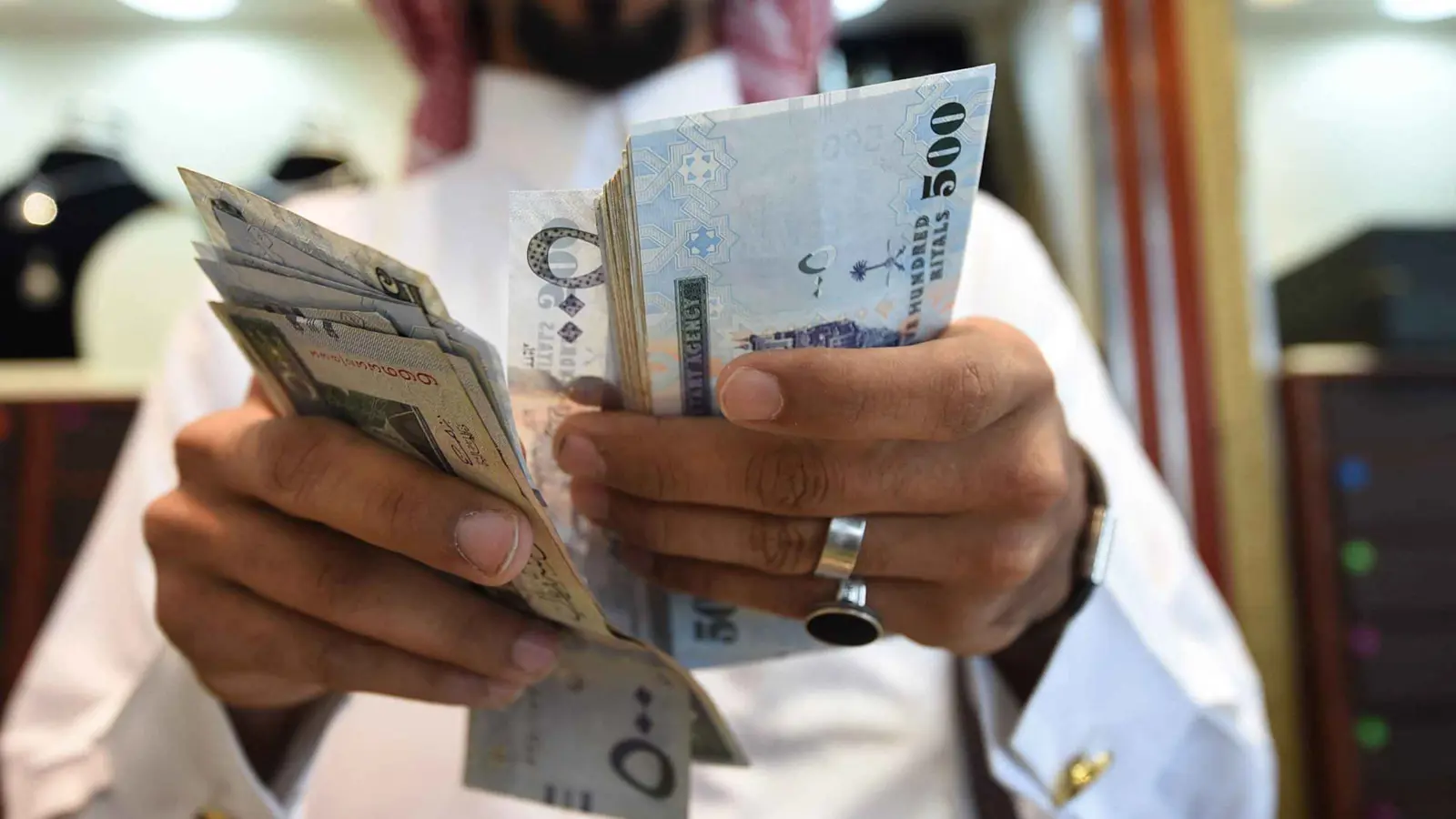
Saudi Arabia’s currency has remained one of the most stable in the world throughout the Eid Al-Fitr holiday season, with the riyal holding its long-established peg against the US dollar as millions of residents and travellers continue to search for the latest exchange rates.
A Peg That Has Stood the Test of Time
The Saudi Arabian Monetary Authority (SAMA) has maintained the riyal’s fixed rate at 3.75 to the dollar since 1986 — a policy that has delivered four decades of monetary stability and currency certainty for businesses, investors, and consumers alike. Even as global markets have experienced periods of volatility in recent months, driven by fluctuating interest rate expectations and shifting commodity prices, the Saudi riyal has remained entirely unmoved, a testament to the Kingdom’s financial discipline and institutional strength.
The peg is underpinned by substantial reserves. Saudi Arabia’s foreign reserve assets currently stand at approximately 1.78 trillion riyals, near a six-year high, providing a buffer that analysts consistently describe as more than sufficient to maintain the existing monetary framework for the foreseeable future.
Eid Travel and Currency Demand
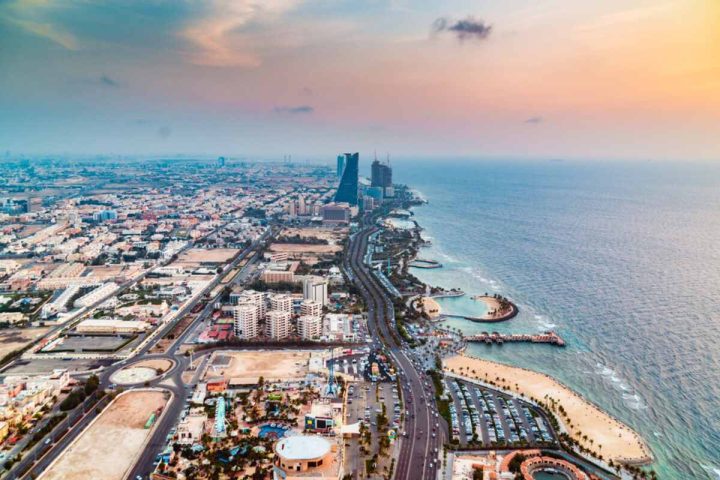
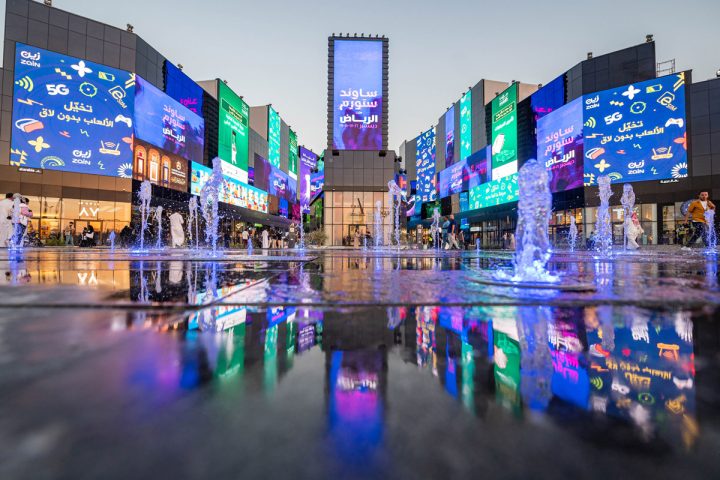
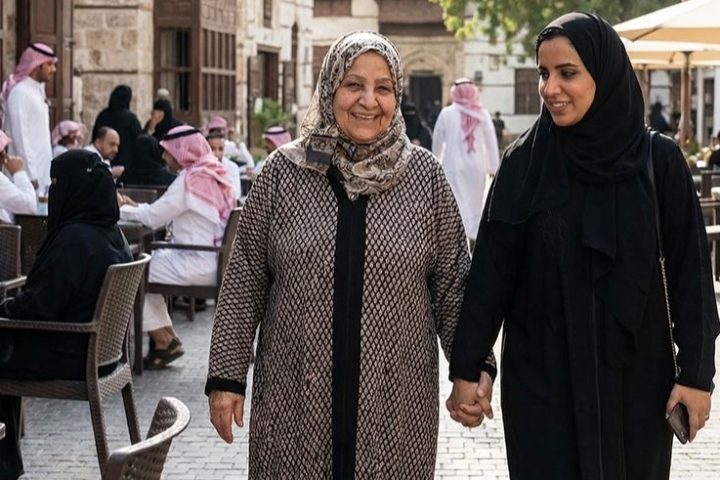
During the Eid Al-Fitr holiday, which Saudi Arabia began celebrating on March 20, 2026 following the official sighting of the Shawwal crescent moon, demand for currency conversions typically rises as residents travel abroad and expatriate workers send remittances to their home countries. The Kingdom’s extended public holiday has amplified retail and hospitality spending across Riyadh, Jeddah, Makkah, and Madinah, with both domestic consumers and international visitors contributing to a busy commercial period.
Exchange centres and banks across major Saudi cities have reported steady activity as travellers plan trips to destinations in Asia, Europe, and the GCC region. The riyal’s stability makes currency planning straightforward — a factor that financial analysts say distinguishes Saudi Arabia from many emerging markets where currency fluctuations can significantly affect consumer purchasing power.
Vision 2030 and Monetary Confidence
The riyal’s steadiness is closely tied to the broader economic transformation underway under Vision 2030. As the Kingdom diversifies its economy beyond oil, fostering a robust non-oil private sector, maintaining a credible and stable currency regime remains a foundational element of investor confidence.
Saudi Arabia’s non-oil revenues have grown consistently in recent years, and the Kingdom’s fiscal position continues to attract global institutional investment. SAMA has repeatedly reaffirmed its commitment to the dollar peg, viewing exchange rate stability as a key enabler of the Kingdom’s long-term economic agenda.
For residents and businesses operating in Saudi Arabia, the predictability of the riyal removes one layer of financial uncertainty — a quality that will remain central to the Kingdom’s economic appeal as it continues to grow its position as a global investment and tourism destination.