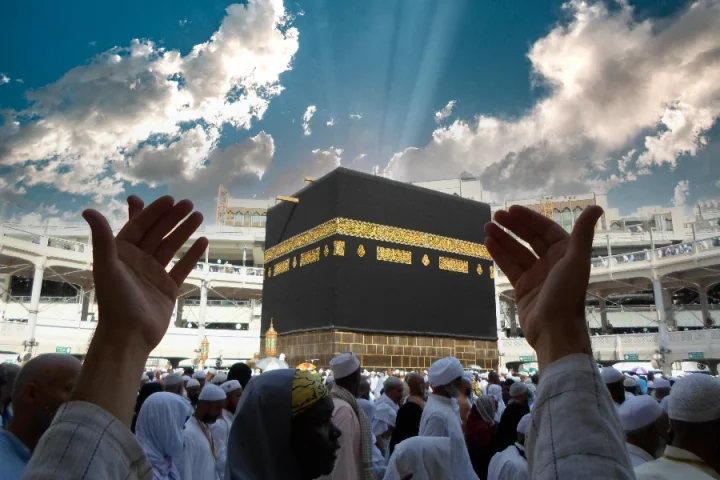


As Ramadan 1447H enters its final week, Saudi Arabia’s mosques have transformed into round-the-clock centres of worship. The last ten nights of the holy month hold a revered place in Islamic tradition, and nowhere is that reverence more visible than at the Grand Mosque in Mecca, where hundreds of thousands of worshippers gather each night to perform Qiyam al-Layl — the voluntary night prayers that define this season of intense devotion.
The Significance of the Last Ten Nights
The last ten nights of Ramadan are widely regarded as the most spiritually significant period in the Islamic calendar. Among them lies Laylat al-Qadr — the Night of Power — described in the Quran as better than a thousand months. Muslims across Saudi Arabia seek out this night with heightened acts of worship: extended prayers, recitation of the Quran, supplication, and charitable giving. The exact night is not fixed, though odd-numbered nights from the 21st onward carry particular importance in religious tradition, drawing worshippers into mosques well past midnight across the entire Kingdom.
The Grand Mosque and the Prophet’s Mosque
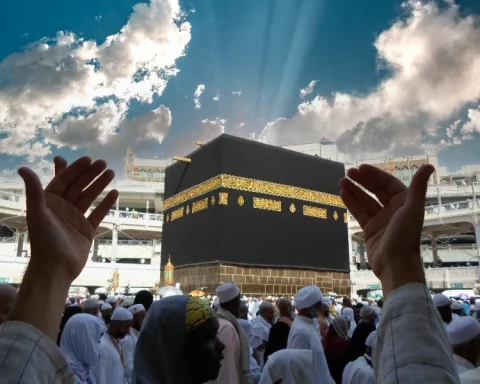
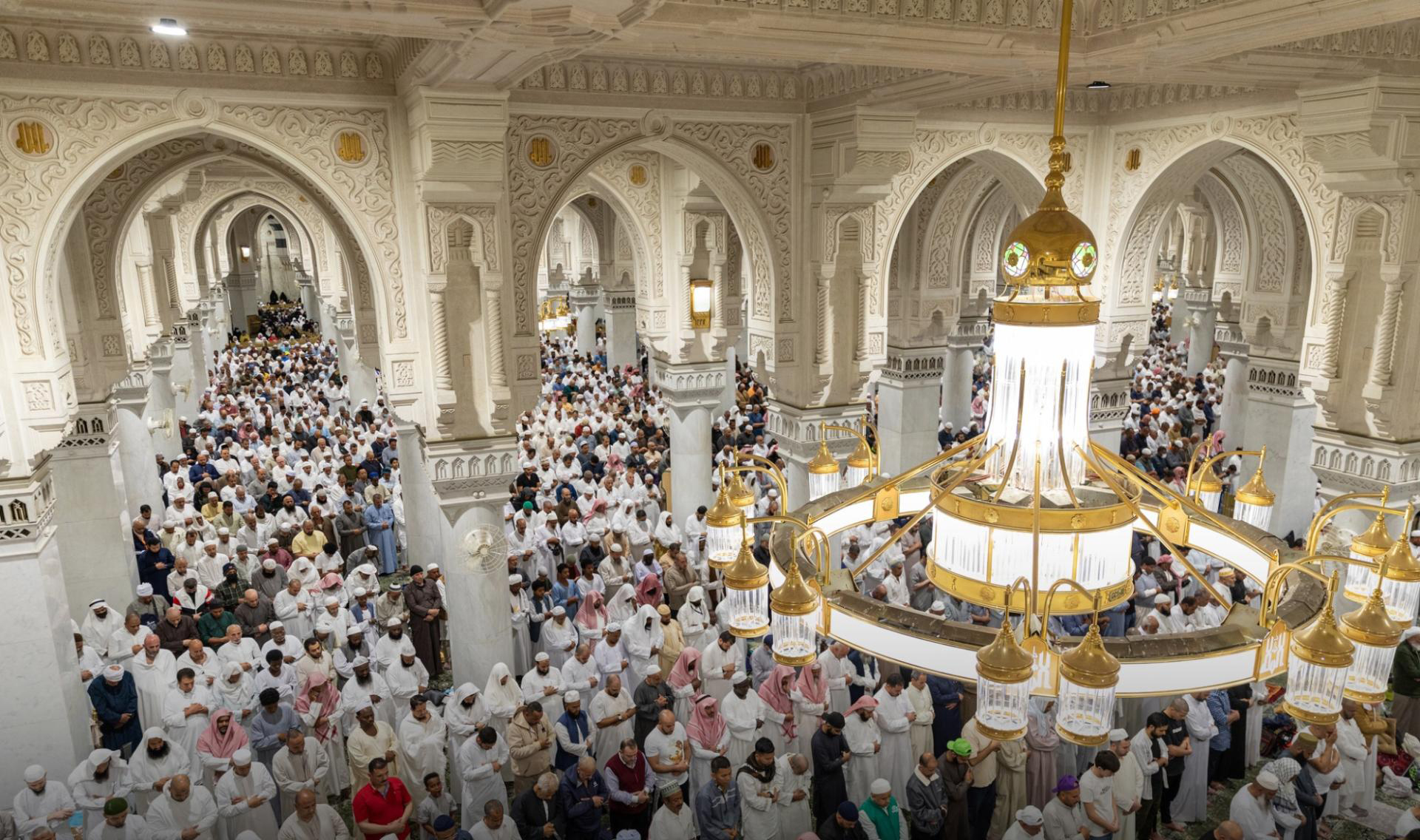
At the Grand Mosque in Mecca, the Presidency of Religious Affairs has made extensive arrangements to accommodate the surge in worshippers that these final nights bring. The Tarawih and Tahajjud prayers — led by the mosque’s distinguished imams — draw enormous congregations that fill not only the interior of the mosque but its surrounding plazas and multi-level courtyards. The Tahajjud prayer, performed in the final third of the night, has become a profound communal experience, with hundreds of thousands standing, bowing, and prostrating together in the glow of the illuminated Kaaba.
The Prophet’s Mosque in Madinah similarly sees a dramatic increase in worshippers during these nights, with pilgrims arriving from across the Kingdom and beyond to pray in one of Islam’s holiest sites. Saudi authorities have deployed additional staff, medical teams, and logistical support across both cities to ensure the safety and comfort of all those attending.
A Kingdom at Prayer Through the Night
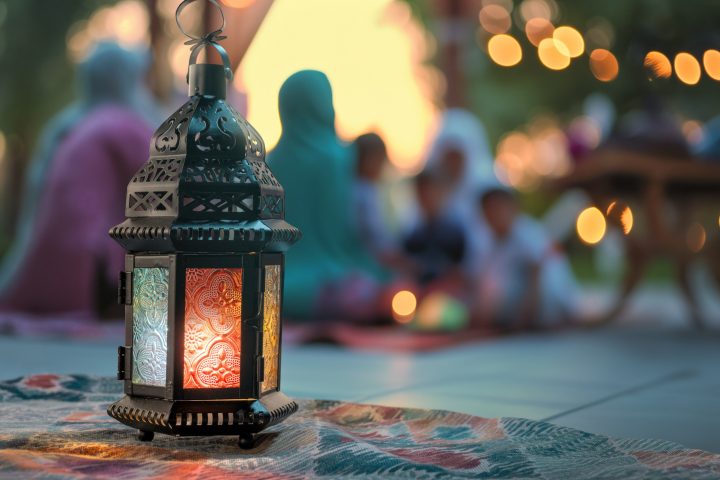
Beyond the two holy cities, mosques in Riyadh, Jeddah, Dammam, and communities across the Kingdom extend their doors through the night during the last ten days of Ramadan. Imams lead longer prayers, and many mosques organise communal Iftar followed by Isha, Tarawih, and Tahajjud in one extended session that stretches past midnight. Many families choose to observe Itikaf — a practice of spiritual seclusion within the mosque — for the final ten days, dedicating themselves entirely to worship and supplication.
The Tahajjud prayer — performed after a period of sleep and before Fajr — holds a special place in these nights. Worshippers who ask how many rak’ahs to perform often find guidance in the Sunnah’s inherent flexibility: the Prophet Muhammad performed the prayer in varying numbers, most commonly in sets of two rak’ahs, concluding with a single Witr. The emphasis has always been on the quality of devotion rather than the quantity of prostrations.
As Eid al-Fitr draws closer, the spiritual energy in Saudi Arabia is unmistakable — a final, determined push toward the night that the faithful believe holds the mercy and forgiveness of a lifetime. The mosques will remain open, the recitations will continue through the early hours, and across the country, a nation will spend the remaining nights of Ramadan in pursuit of its highest aspiration.