

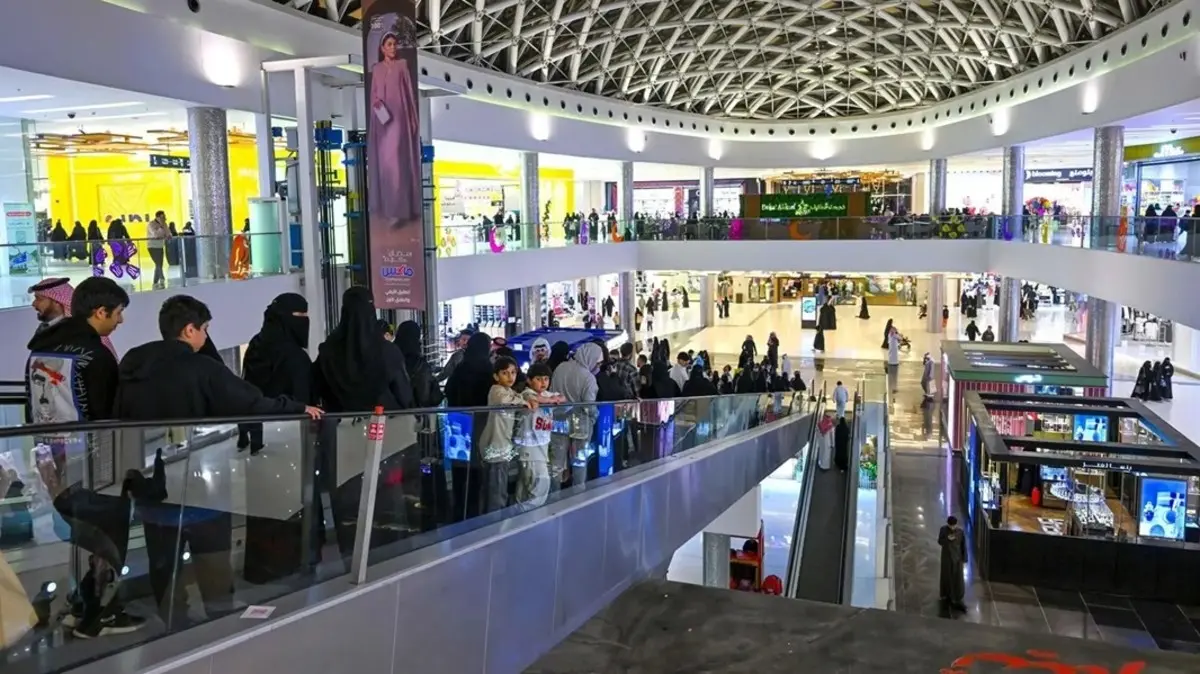
Consumer spending in Saudi Arabia surged to SAR 16.1 billion during the week ending March 7, 2026, reflecting the seasonal lift in purchasing activity that accompanies the holy month of Ramadan, according to data released by the Saudi Central Bank, known as SAMA.
Ramadan Drives Record Weekly Spending
The figure represents a notable jump from SAR 14.5 billion recorded in the previous week, with the total number of point-of-sale transactions climbing from approximately 210.5 million to 226.2 million over the same period. The data encompasses consumer expenditures made through debit and credit cards at shopping centers, retail outlets, pharmacies, and a wide range of other commercial establishments across the Kingdom.
Spending patterns during Ramadan are well-established in Saudi Arabia, with the weeks leading up to Eid Al-Fitr consistently driving elevated purchasing activity. This year, food and beverage outlets along with clothing and accessories retailers each accounted for 15.5 percent of the week’s total POS value — equating to approximately SAR 2.5 billion in each category — as households and families prepare for the Eid celebrations.
Riyadh Leads, Jeddah Follows
Riyadh retained its position as the top city for consumer spending, with transactions totaling approximately SAR 5.35 billion, representing 33.2 percent of the national total. Jeddah followed with SAR 2.34 billion, accounting for 14.5 percent of overall spending. The data underscores the continued dominance of the two major urban centers as the primary engines of retail activity in the Kingdom.
The four-week moving average for POS transactions currently stands at approximately SAR 15 billion, continuing a multi-year upward trajectory. The average weekly POS range was SAR 11.4 to 15.3 billion in 2025, compared to SAR 11.5 to 13.8 billion in 2024, and SAR 10.4 to 12.7 billion in 2023, reflecting sustained growth in consumer activity year over year.
Vision 2030 Digital Payment Goals Surpassed
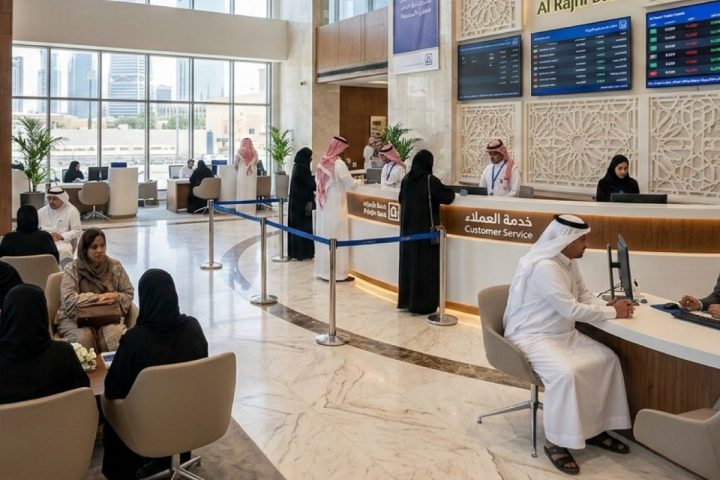
The latest figures also highlight the accelerating shift toward digital and electronic payments in Saudi Arabia. SAMA data indicates that e-payments in the retail sector accounted for 79 percent of all individual payments made in the Kingdom in 2024, surpassing the 70 percent target set under the Financial Sector Development Program, one of the key pillars of Vision 2030.
This achievement reflects sustained efforts by SAMA and the broader financial sector to expand the digital payments ecosystem, increase merchant acceptance, and promote cashless commerce. The Kingdom’s e-payment adoption rate has grown consistently from 57 percent in 2021 to 62 percent in 2022, then 70 percent in 2023, and reaching 79 percent in 2024. As Saudi Arabia enters the final days of Ramadan with Eid Al-Fitr drawing closer, consumer spending is expected to remain elevated — a pattern that SAMA data has confirmed consistently over multiple years.