

Saudi Arabia’s central bank closed 2025 with its reserve assets reaching SR1.73 trillion, marking a 5.3 percent year-on-year increase and adding SR86.3 billion to the Kingdom’s financial buffers compared to the end of 2024. The figures, released by the Saudi Central Bank (SAMA), reflect a continued build-up of the Kingdom’s external financial position as oil revenues and diversifying non-oil streams contribute to a strengthening fiscal foundation.
A Year of Steady Accumulation
The SR86.3 billion increment registered across the full year 2025 underscores the resilience of Saudi Arabia’s balance of payments position. Reserve assets — which include monetary gold, Special Drawing Rights, the reserve position at the International Monetary Fund, and foreign currency holdings — provide the Kingdom with a deep liquidity buffer capable of absorbing external shocks and supporting the riyal’s peg to the US dollar.
The trajectory mirrors a pattern of accumulation that has defined Saudi Arabia’s reserves management in recent years. Total SAMA assets crossed SR1.72 trillion during mid-2025 on a monthly basis, with year-end data confirming the sustained upward trend. The growth rate of 5.3 percent compares favourably with the 5.5 percent annual expansion recorded at end of the second quarter of 2024, signalling consistent momentum.
What the Numbers Signal
For observers of Saudi fiscal policy, the reserve figure carries weight beyond its headline number. A reserve pool of SR1.73 trillion — equivalent to approximately $460 billion — provides the Kingdom with roughly eighteen to twenty months of import cover, comfortably above the international benchmark of three months. This depth gives monetary policymakers considerable flexibility in responding to global commodity price shifts, capital flow volatility, and the demands of the Kingdom’s own multi-trillion-riyal development programmes.
Saudi Arabia’s economic diversification agenda under Vision 2030 has brought elevated levels of public investment spending, driving up import volumes as infrastructure and giga-project construction accelerates. The ability to sustain reserve accumulation alongside this investment surge reflects robust export earnings, disciplined fiscal management, and the growing contribution of non-oil receipts to the overall balance of payments.
Context Within the Region’s Broader Fiscal Landscape
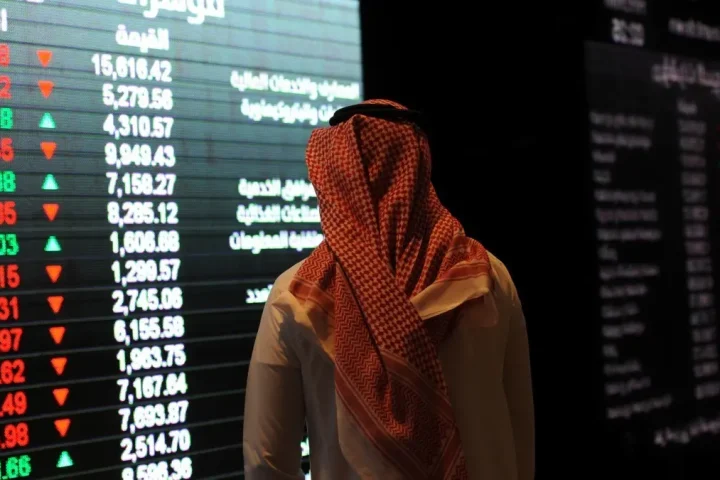
The SAMA data arrives at a time of cautious optimism across Gulf financial markets. Saudi Arabia’s foreign direct investment inflows reached $280 billion in 2025, growing ten percent year-on-year according to earlier central bank disclosures, while the TASI stock market has shown renewed momentum in the opening quarter of 2026. Together with the reserve growth figure, these data points reinforce a picture of a national economy making steady progress toward the macroeconomic targets embedded in Vision 2030 — even as global oil market uncertainties continue to present a degree of forecast risk.
SAMA has maintained the Saudi riyal’s peg at 3.75 per US dollar throughout this period, and the weight of reserves backing that commitment has only grown. For international investors and rating agencies assessing Saudi Arabia’s creditworthiness, the end-2025 reserve position provides a material source of reassurance.