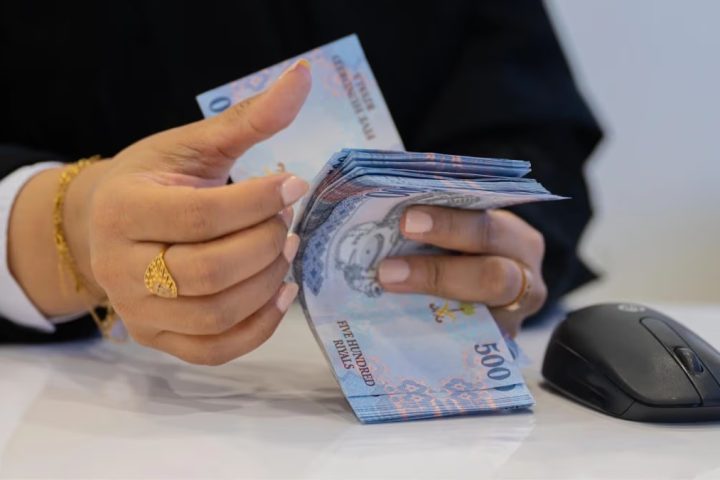



Saudi banks’ investments in government treasury bonds rose to SAR 658.2 billion in February 2026, an increase of SAR 5.2 billion or approximately 10 percent compared to the same month a year earlier, according to data released by the Saudi Central Bank, SAMA. The figures reflect a sustained and growing appetite among the Kingdom’s banking sector for government debt instruments, underscoring the financial depth and stability of Saudi Arabia’s banking system as it expands in step with Vision 2030.
Government Bond Holdings Take a Dominant Share
Treasury bond investments accounted for more than 72 percent of total Saudi bank claims on the government and quasi-government sectors during February. Total bank claims on the public sector reached SAR 910 billion in the same month, compared with SAR 821.3 billion a year earlier — an increase of nearly SAR 89 billion, or around 10.8 percent year-on-year. The consistent growth across both figures reflects the banking sector’s close alignment with the public sector’s financing needs as national mega-projects continue to draw on the capital markets for long-term funding.
The treasury bond category as defined by SAMA includes both long-term government debt instruments issued by the Ministry of Finance and internationally issued bonds and sukuk purchased by Saudi banks from the secondary market. SAMA’s own T-bills are excluded from this calculation in line with international reporting standards, ensuring the figures reflect structural investment rather than short-term liquidity management.
A Banking System in Growth Mode
The data paints a picture of a Saudi banking sector that is simultaneously expanding its role as a financier of national development and maintaining healthy balance sheets. The rise in government bond holdings signals confidence in the Kingdom’s fiscal position, while the broader growth in public-sector claims reflects the scale of state-linked investment being channeled through Vision 2030 programs — from infrastructure and housing to tourism, technology, and industrial development.
Saudi Arabia’s banking sector has consistently earned strong ratings from international agencies, supported by high capitalization levels, robust profitability, and rising loan books as private-sector credit demand grows alongside the non-oil economy. The February SAMA data adds further evidence of a system operating from a position of strength, with its sovereign bond exposure providing both income stability and a structural anchor for balance sheet management.
Macro Context: A Widening Capital Market
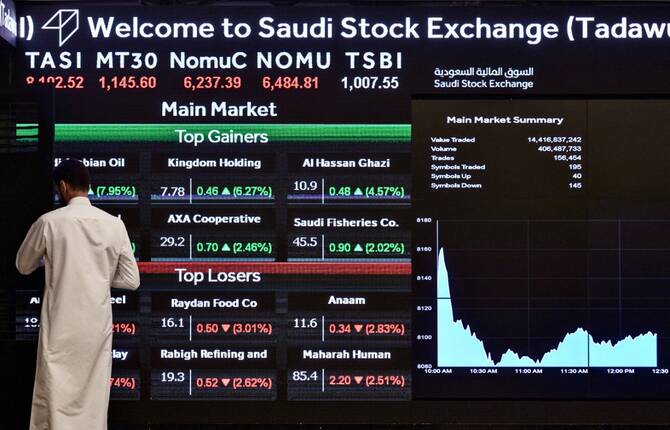
The numbers arrive as the Kingdom’s capital market continues to attract attention from global investors. The Saudi Exchange closed the first quarter of 2026 with the TASI index posting year-to-date gains of over 7 percent, while negotiated deals hit SAR 8.9 billion in the quarter — indicators of a market that is both liquid and growing in institutional depth. Against this backdrop, Saudi banks’ expanding investment in government paper is consistent with a broader trend of deepening financial infrastructure that supports the long-term vision for a diversified, globally competitive economy.