

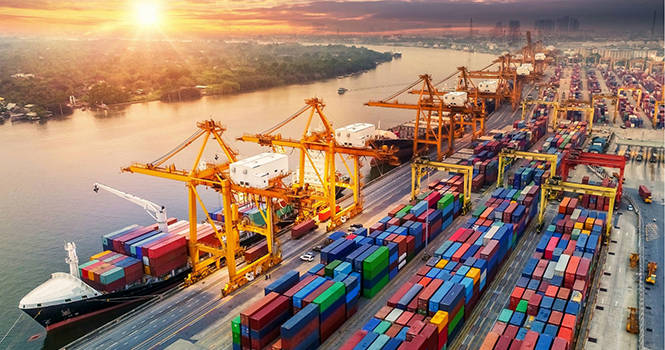
Saudi Arabia’s trade surplus reached SAR 52.4 billion in the fourth quarter of 2025, rising 26% compared to the same period in 2024, according to data released by the General Authority for Statistics. The figures reflect the continued strength of the Kingdom’s export momentum and the broader resilience of its economic strategy.
Total Exports Cross SAR 300 Billion
Total merchandise exports rose 8% year-on-year to approximately SAR 300.1 billion in the quarter, while merchandise imports increased by a more modest 5% to SAR 247.7 billion. The widening gap between the two figures underscores the Kingdom’s strengthening position as a net exporter of goods at scale.
Oil exports, the traditional cornerstone of Saudi Arabia’s trade balance, grew 3% to SAR 202.6 billion during the period. Non-oil exports delivered an even more striking performance, expanding 19% year-on-year to SAR 97.5 billion — the highest quarterly level recorded since 2017. Non-oil exports now represent 32% of total merchandise exports, reflecting tangible progress in the Kingdom’s drive toward economic diversification.
Non-Oil Growth Leads the Way
Breaking down the components of non-oil export growth, machinery, electrical appliances, and their parts emerged as the top-performing category, accounting for 23% of non-oil exports at SAR 22.7 billion — a remarkable 79% increase from Q4 2024. Chemical products followed, representing 20% of the total at SAR 19.7 billion.
In terms of export gateways, King Abdulaziz International Airport in Jeddah led all non-oil export hubs with approximately SAR 15.6 billion, representing 16% of the total. Jeddah Islamic Port ranked second, handling SAR 11.2 billion in non-oil goods. Sea ports collectively processed 55% of all merchandise exports, followed by airports at 27% and land borders at 18%.
A Clear Signal of Vision 2030 Progress
The Q4 2025 data provides a concrete indicator of progress along multiple pillars of Vision 2030 — from export growth and economic diversification to the gradual reduction of oil dependence in the Kingdom’s trade profile. The 19% surge in non-oil exports, reaching their highest level in eight years, stands among the clearest economic signals of the transformation already under way. At the same time, the steady rise in merchandise imports reflects a dynamic and expanding domestic economy, driven by sustained consumer activity and ongoing infrastructure investment.