

Saudi Arabia’s foreign reserve assets held at a six-year high of SAR 1.78 trillion in February 2026, maintaining the elevated level first recorded in January and reflecting an ongoing accumulation of financial resources that underscores the Kingdom’s economic resilience and fiscal discipline.
SAMA Data Confirms Sustained Strength
According to figures published by the Saudi Central Bank (SAMA), net foreign assets rose 10 percent year-on-year in February, equivalent to SAR 162.5 billion in absolute terms. Month-on-month, the increase was more measured — approximately SAR 1.7 billion, or 0.1 percent — indicating that reserves have effectively stabilized at their highest point since 2020.
The bulk of the gain was driven by foreign currency reserves, which account for roughly 95 percent of total assets and reached SAR 1.69 trillion in February, a 10 percent advance compared with the same month last year. Reserve positions held at the International Monetary Fund rose 8 percent to SAR 13 billion, while Special Drawing Rights climbed 3 percent to SAR 80.1 billion. Gold reserves remained unchanged at SAR 1.62 billion, a figure that has held steady since February 2008.
A Pillar of Vision 2030 Financial Stability
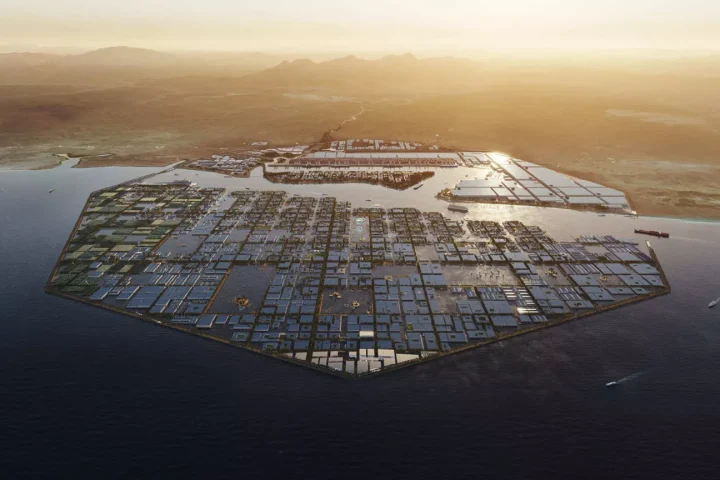
The consistent build-up of foreign reserves is more than a balance sheet metric. It reflects Saudi Arabia’s deliberate approach to managing its sovereign finances amid an evolving global economic landscape. Elevated oil prices in recent years have allowed the government to expand its reserve cushion while simultaneously investing in domestic infrastructure, tourism, entertainment, and technology sectors that sit at the core of Vision 2030.
Analysts have noted that maintaining reserves at this level provides the Kingdom with a meaningful buffer against external shocks — whether from commodity price swings, global interest rate volatility, or broader macroeconomic headwinds. The SAR 1.78 trillion figure also reinforces confidence among international investors and credit rating agencies, which have continued to affirm Saudi Arabia’s strong fiscal position.
Broader Economic Context
The February data arrives against the backdrop of Saudi Arabia’s continued economic diversification push. Non-oil revenues have grown steadily as the government broadens its tax base, scales tourism receipts, and develops a domestic financial services industry. This diversification has reduced the economy’s direct dependence on crude prices, though oil export revenues remain the primary driver of government income and reserve accumulation.
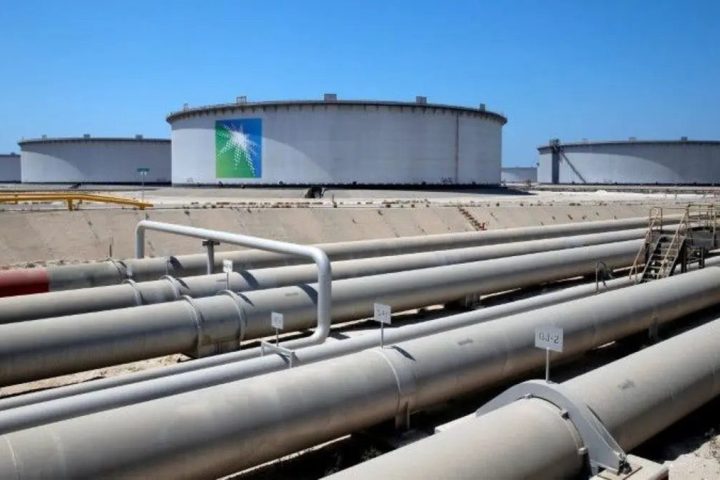
Saudi Arabia’s oil exports rose to 6.99 million barrels per day in January 2026 according to the Joint Organisations Data Initiative, adding further upward pressure to the reserve balance. With global energy demand remaining firm and Vision 2030 sectors generating growing non-oil revenues, the structural outlook for sustained reserve strength continues to look favorable for the Kingdom.