
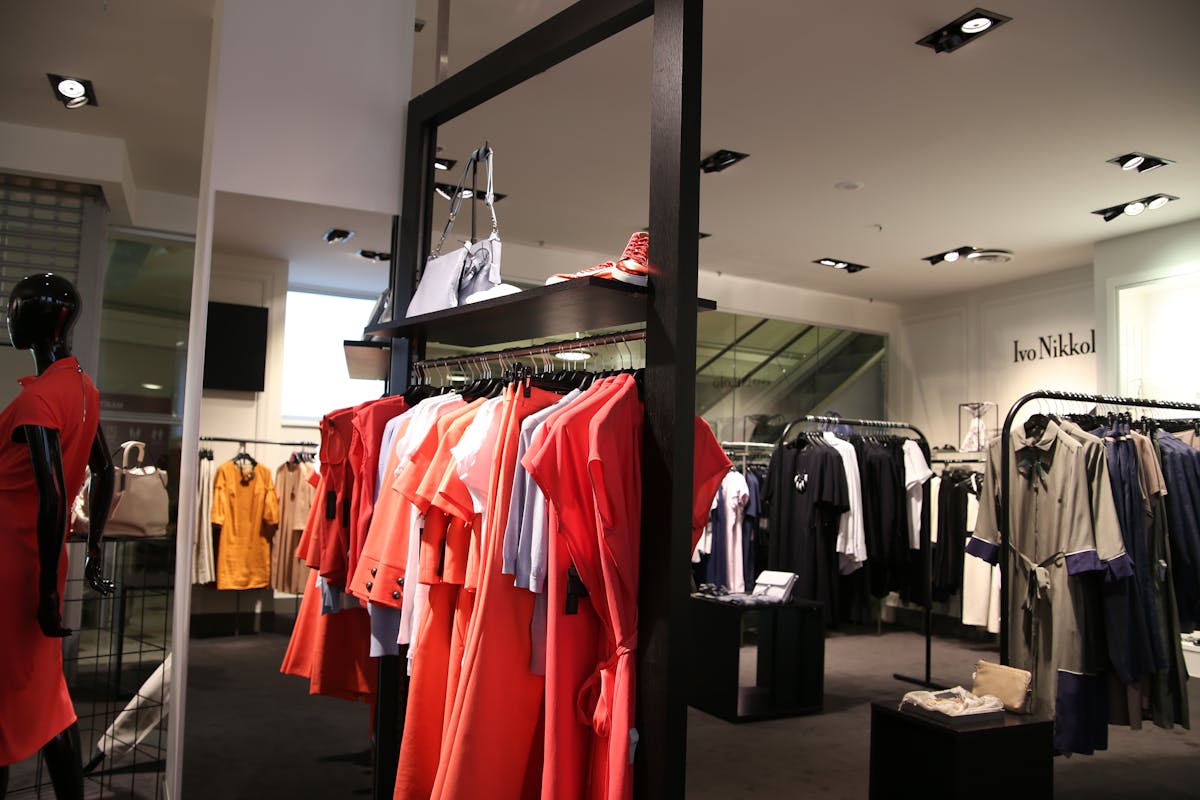
Saudi Arabia’s fashion and retail industry is undergoing a transformation that is reshaping how international brands approach the Kingdom and elevating the country’s position as a major force in the global retail landscape. According to figures shared at the 2026 RLC Global Forum in Riyadh, the sector now employs 340,000 people, contributes 2.6 percent of GDP, and is projected to reach forty billion dollars by 2029.
Local Brands Rise to the Forefront
Burak Çakmak, chief executive officer of the Saudi Fashion Commission, painted a picture of an industry that has evolved remarkably in a short span. Five years ago, he noted, no one could articulate what fashion in Saudi Arabia looked like. Today the Kingdom has established itself as a destination for retail investment, creative talent, and emerging local labels that compete on quality and design with international counterparts.
The Saudi 100 Brands program, now in its fourth year, incubates more than one hundred local fashion labels annually. The opening of Istituto Marangoni’s first international fashion campus in the Kingdom has created a pipeline of locally trained design professionals. A new permanent showroom partnership with White Milano launches this year, giving Saudi designers direct access to one of Europe’s most important fashion trade platforms. Meanwhile, Riyadh Fashion Week expanded in its most recent edition to feature a strong lineup of local designers alongside global houses.
A Market That Demands Cultural Understanding
The forum convened by the Royal Commission for Riyadh City brought together regional conglomerates, sovereign-backed institutions, and global operators to discuss a fundamental shift in the balance of power. International brands entering Saudi Arabia can no longer rely on established playbooks from other markets. The Kingdom’s population of thirty-five million, with its distinct cultural identity and growing purchasing power, demands a level of engagement that goes far beyond token gestures.
Çakmak was direct about what the market expects. A Ramadan capsule collection alone no longer suffices. The Saudi calendar is filled with commercially significant cultural moments spanning National Day, Founding Day, Saudi Cup, Riyadh Season, and Formula One, each requiring a distinct retail strategy. More than half the workforce in the sector is female, reflecting the rapid transformation of women’s participation in the Saudi economy.
Technology Driving the Next Phase
The Chalhoub Group, one of the region’s largest luxury retail operators, reported eight percent year-on-year growth and revealed its investment in artificial intelligence as a core business enabler. The group’s AI beauty coach Layla, deployed on its beauty platform, has lifted conversion rates two and a half times through hyper-personalized and culturally relevant recommendations.
The convergence of technology, cultural confidence, and institutional investment is creating a retail environment in Saudi Arabia that is increasingly setting terms rather than following them. For global brands, the message from Riyadh is clear: adapt to the Kingdom’s expectations or risk being left behind in one of the world’s fastest-growing consumer markets.