

Saudi Arabia’s rental market is entering a new phase in 2026, shaped by a series of updates to the Ejar platform that govern how residential and commercial lease agreements are registered, paid, and enforced across the Kingdom. With rental conditions emerging as one of the week’s most actively searched topics among Saudi users, the interest reflects a broad awareness of changes that affect millions of residents — from Saudi families navigating rising city costs to expatriate professionals settling into a rapidly evolving urban landscape.
What the Ejar Platform Does
Ejar, operated under the Real Estate General Authority, is the official digital infrastructure through which landlords and tenants in Saudi Arabia formalise lease agreements, process rental payments, and manage contract renewals. Since its introduction, the platform has worked steadily to replace informal rental arrangements with verifiable, digitally tracked records that both parties can rely on.
The 2026 updates have reinforced several of those foundations. Rental payments are now required to be processed digitally through the system, removing cash transactions from the process and creating a traceable record that protects tenants against payment disputes and gives landlords a clear paper trail when obligations are not met. The move is part of a wider push across the Kingdom’s real estate sector to bring its practices into line with international standards.
Riyadh’s Rent Stabilisation Framework
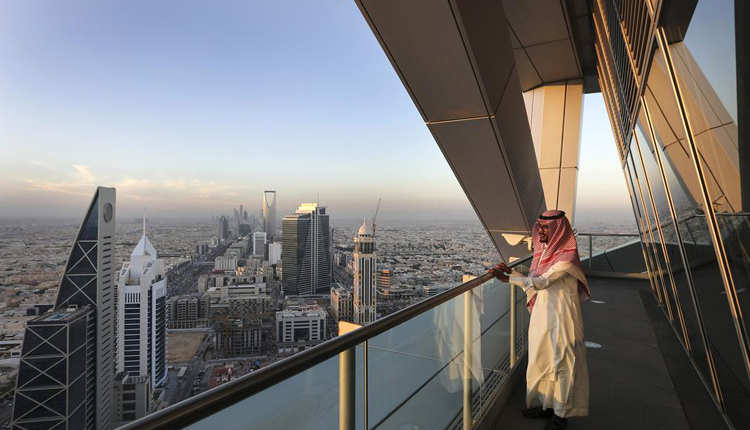
Among the most widely discussed aspects of the 2026 updates is the rent stabilisation framework applied within Riyadh, where sustained population growth and an accelerating influx of international talent have maintained upward pressure on housing costs. The new measures require landlords to follow a structured approval and notice process before increasing rental rates, giving tenants far greater security against sudden and significant price hikes.
This is not a blanket rent freeze but a regulated mechanism that introduces predictability into a market that has at times moved faster than residents’ ability to absorb change. For families and workers who have made long-term commitments to life in Riyadh, that stability carries real practical value.
A Broader Signal for the Economy
The significance of these updates extends beyond individual rental agreements. Saudi Arabia’s Vision 2030 programme is built in part on the Kingdom’s ability to attract global talent and retain skilled professionals over extended periods. Housing affordability and security of tenure are factors that weigh heavily in where people choose to settle, and a well-functioning, transparent rental market strengthens the case for Saudi Arabia as a place worth building a life rather than simply a career stop.
For Saudi nationals, the enhanced Ejar platform also provides more accessible tools to understand their rights, review lease terms, and raise concerns without depending on third-party intermediaries. That shift in access represents a meaningful improvement in the everyday experience of renting in the Kingdom, and it reflects the kind of institutional progress that Vision 2030 is designed to deliver across every sector.