

The Eid Al-Fitr holiday that began on March 20 has done more than give Saudi Arabia a festive pause — it has triggered one of the most active consumer and hospitality seasons of the year. Across Riyadh, Jeddah and Dammam, shopping centres, restaurants and entertainment venues are reporting sharp spikes in footfall and spending as families make the most of an extended break from work and school.
A Season That Moves the Economy
Consumer spending during the Ramadan-to-Eid cycle in Saudi Arabia reached an estimated SAR 65 billion in 2026 — a figure that underscores the immense economic weight of the holy month and the holiday that follows it. Retail growth across the broader season registered at approximately 18 percent compared to the prior year, driven by a combination of clothing purchases, gifts, home goods and the Eidi tradition of monetary giving between family members.
The e-commerce channel recorded even sharper momentum, with online consumer spending rising by around 45 percent compared to the same period last year. Major Saudi retail platforms, logistics providers and last-mile delivery companies all reported record order volumes in the days leading up to and immediately following the announcement of Eid. This reflects both the deepening of digital commerce habits in the Kingdom and the growing infrastructure that supports them.
Hospitality, Entertainment and the Eid Surge
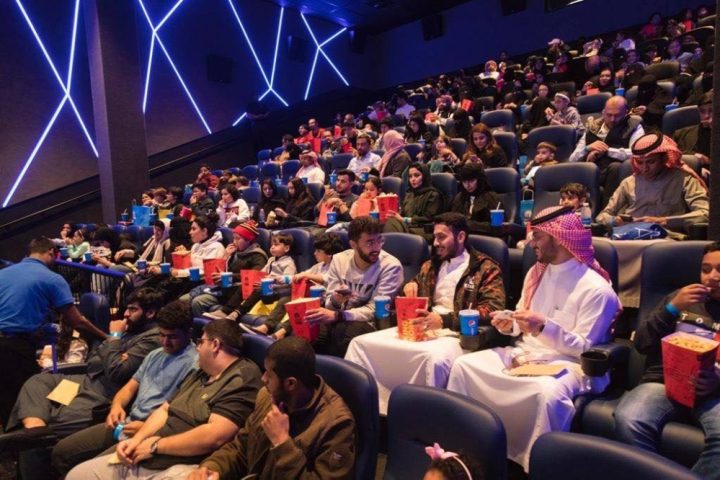
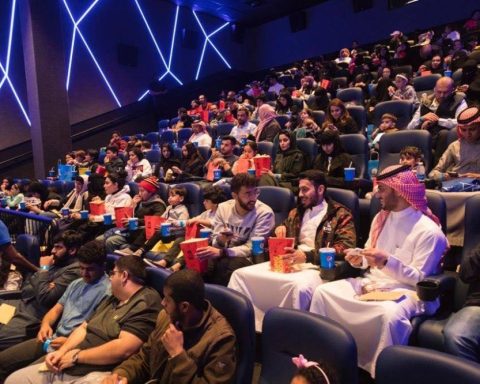
Beyond retail, the entertainment and hospitality sectors are seeing significant activity during the holiday week. The General Entertainment Authority’s seasonal calendar continues to bring concerts, cultural events and family activities to major cities. Riyadh’s entertainment venues, themed parks and dining districts are drawing large crowds, with revenue from the entertainment sector tracking well above earlier projections for the Eid window. Hotels in Makkah, Madinah and key tourist destinations are operating at high occupancy as domestic travellers take advantage of the break.
Restaurants across the Kingdom — from traditional Saudi establishments to international dining chains — have extended their hours and offered Eid menus to meet surging demand. Food delivery platforms report that order volumes during Eid are consistently among the highest of any period in the calendar year, reflecting how deeply embedded delivery culture has become in Saudi consumer habits.
Looking Ahead to the Post-Eid Transition
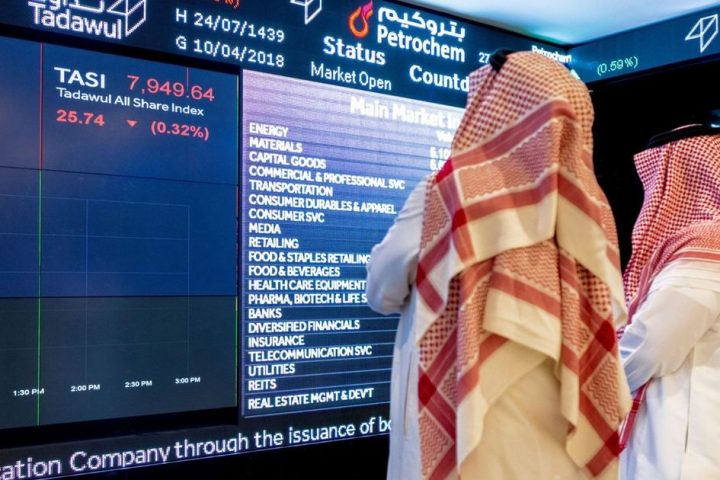
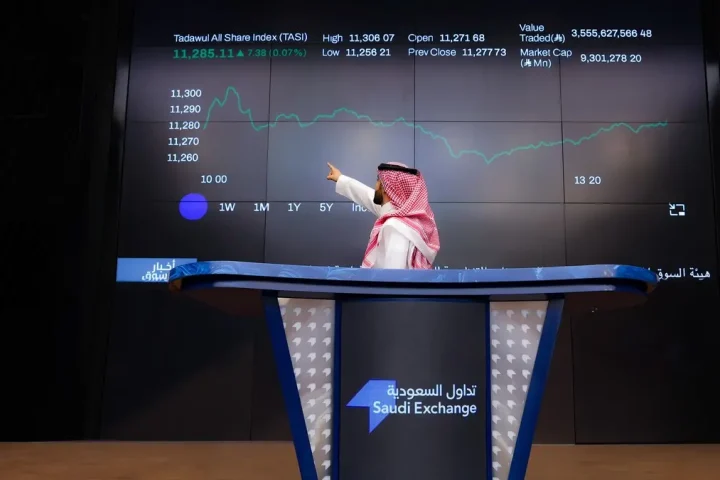
As the holiday week draws toward its close, the Saudi economy begins preparing for a return to full momentum. Schools reopen on Sunday March 29, the Saudi Exchange (Tadawul) resumes trading on Tuesday March 24 after its Eid closure, and the broader business community begins transitioning back into its regular operating rhythm. Economic analysts note that the consumer confidence generated during the Ramadan and Eid period typically carries forward into the following weeks, supporting sustained spending across the second quarter of the year.
For an economy that has been deliberately diversifying its income base under Vision 2030, the scale of Ramadan and Eid spending is a meaningful indicator of how successfully domestic consumption has grown as a pillar of growth alongside oil revenues. The numbers from this year’s season reinforce a broader narrative: Saudi Arabia’s internal economy is expanding, its consumers are increasingly active, and the foundations being laid by Vision 2030 are beginning to produce measurable results on the ground.