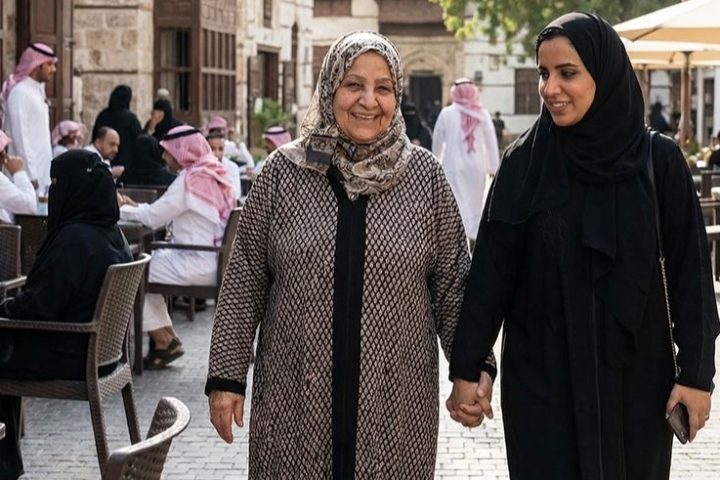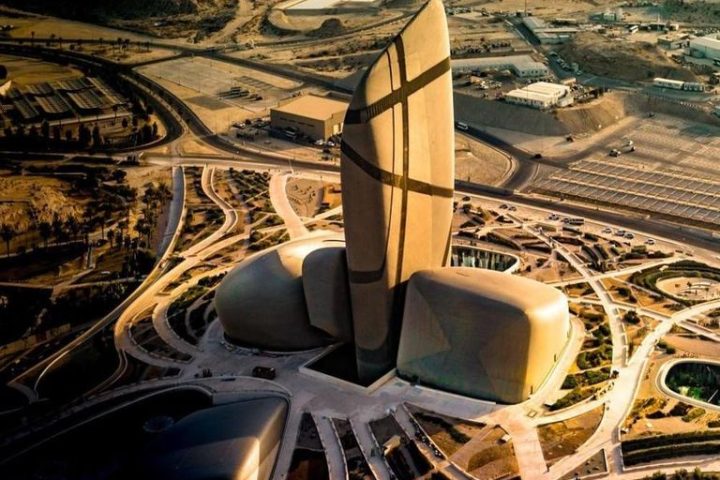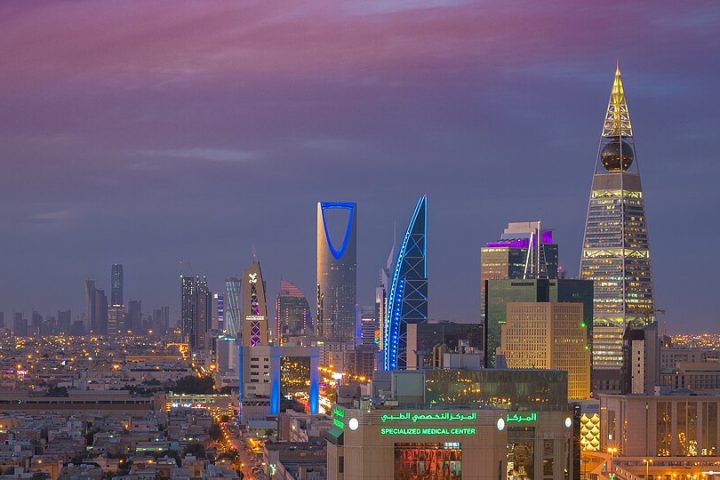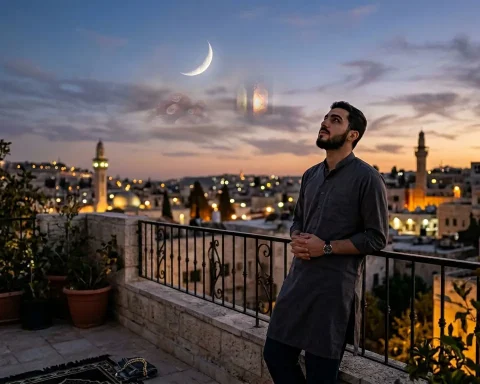


With the Eid Al-Fitr 1447H holiday underway, Saudi Arabia’s domestic tourism sector is experiencing the sustained surge that has become the defining feature of the Kingdom’s post-Ramadan travel season. Millions of residents and families are taking to roads, airports, and rail networks to reach a growing portfolio of urban destinations, heritage sites, and natural attractions — a pattern that reflects both the appetite for domestic travel and the infrastructure built to serve it.
Eid as the Year’s Biggest Domestic Travel Window
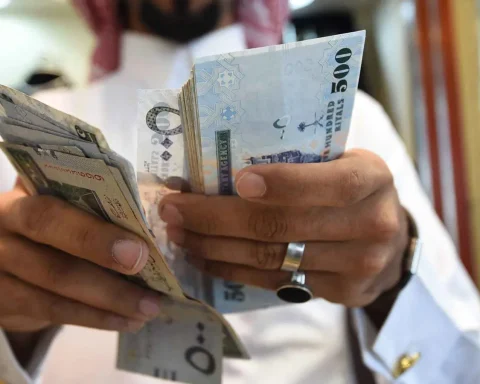
Eid Al-Fitr consistently ranks as one of the two busiest periods for domestic tourism in Saudi Arabia, alongside Eid Al-Adha. The multi-day holiday creates a sustained window of leisure spending that flows into hotels, restaurants, theme parks, cultural sites, and retail destinations across cities including Riyadh, Jeddah, Makkah, Abha, Taif, Al-Ula, and the Eastern Region.
The Saudi Tourism Authority, operating under the Visit Saudi brand, has been actively working to capture this seasonal demand as a cornerstone of the Kingdom’s Vision 2030 strategy. Tourism’s contribution to Saudi GDP is targeted to reach 10 percent by 2030. Domestic tourism — travel by Saudi residents within the Kingdom — has been identified as a critical foundation for that target, creating a resilient baseline that is less dependent on the flow of international visitors.
Where Families Are Heading This Eid
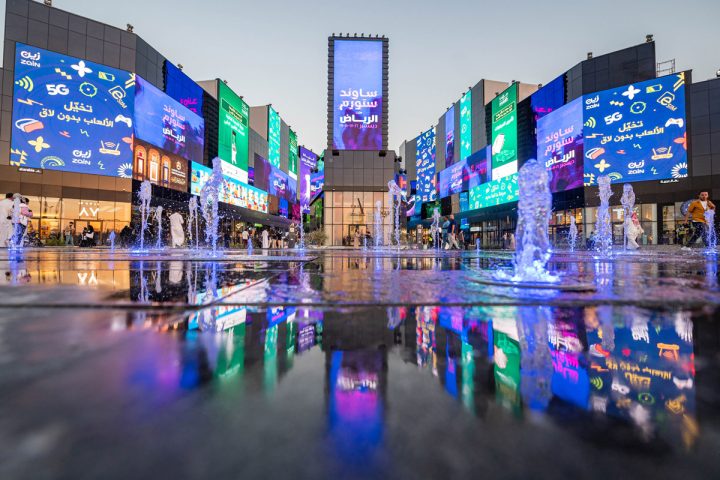
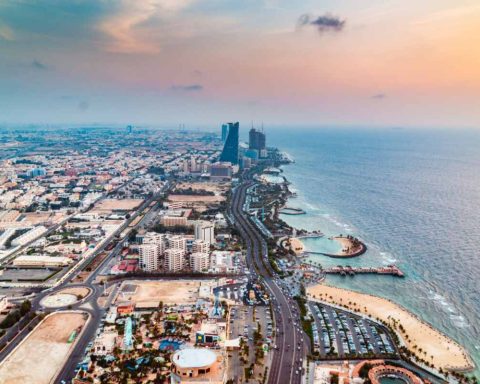
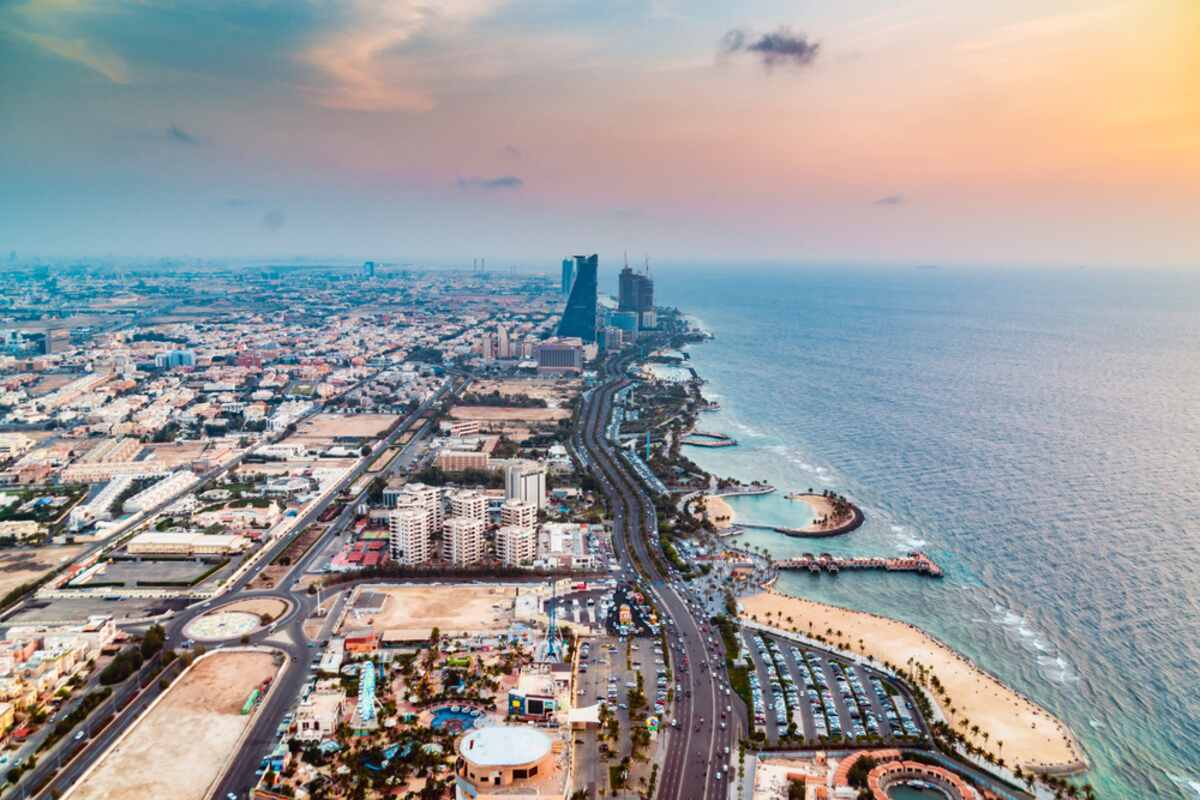
The geography of Eid travel within Saudi Arabia is remarkably diverse. Riyadh draws visitors from across the Kingdom to its expanding entertainment infrastructure, led by Boulevard City and the adjacent Boulevard World complex. Jeddah, with its UNESCO-listed Historic District and its waterfront corniche, attracts families seeking a blend of heritage and contemporary leisure. The southwestern highlands of Abha and Taif offer cooler spring temperatures — a draw for families from the hotter coastal and central regions.
Al-Ula, the ancient landscape that has become one of Vision 2030’s most ambitious cultural tourism projects, continues to expand its visitor numbers with heritage attractions like Hegra alongside world-class hospitality infrastructure. The combination of archaeological depth, dramatic landscapes, and carefully curated travel experiences makes it a compelling Eid destination for Saudi families seeking something beyond conventional urban recreation.
A Decade of Investment Bearing Fruit
The growth in Eid domestic travel is not a seasonal accident. It reflects a decade of deliberate investment in the experiences and infrastructure that make domestic travel genuinely rewarding. The General Entertainment Authority’s programming calendar, the development of cultural destinations like Diriyah and Al-Ula, improvements to domestic airports and road networks, and the expansion of hotel supply across secondary cities have collectively built a domestic tourism landscape where Saudi families can find authentic and high-quality experiences without leaving the Kingdom. The Eid holiday has become the most visible proof of that investment every year.