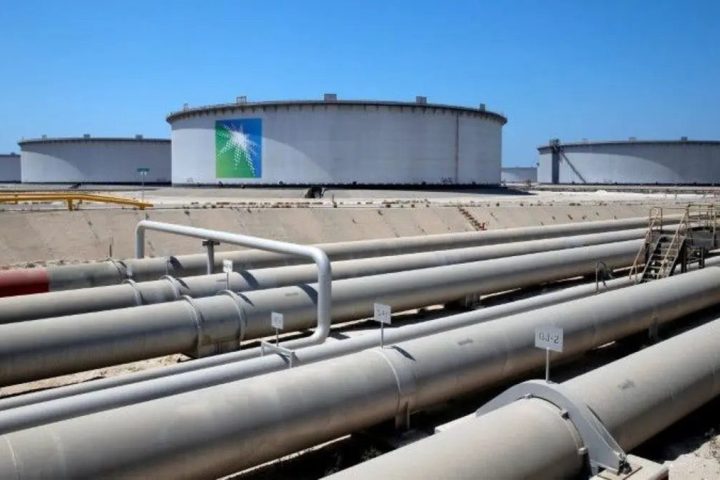


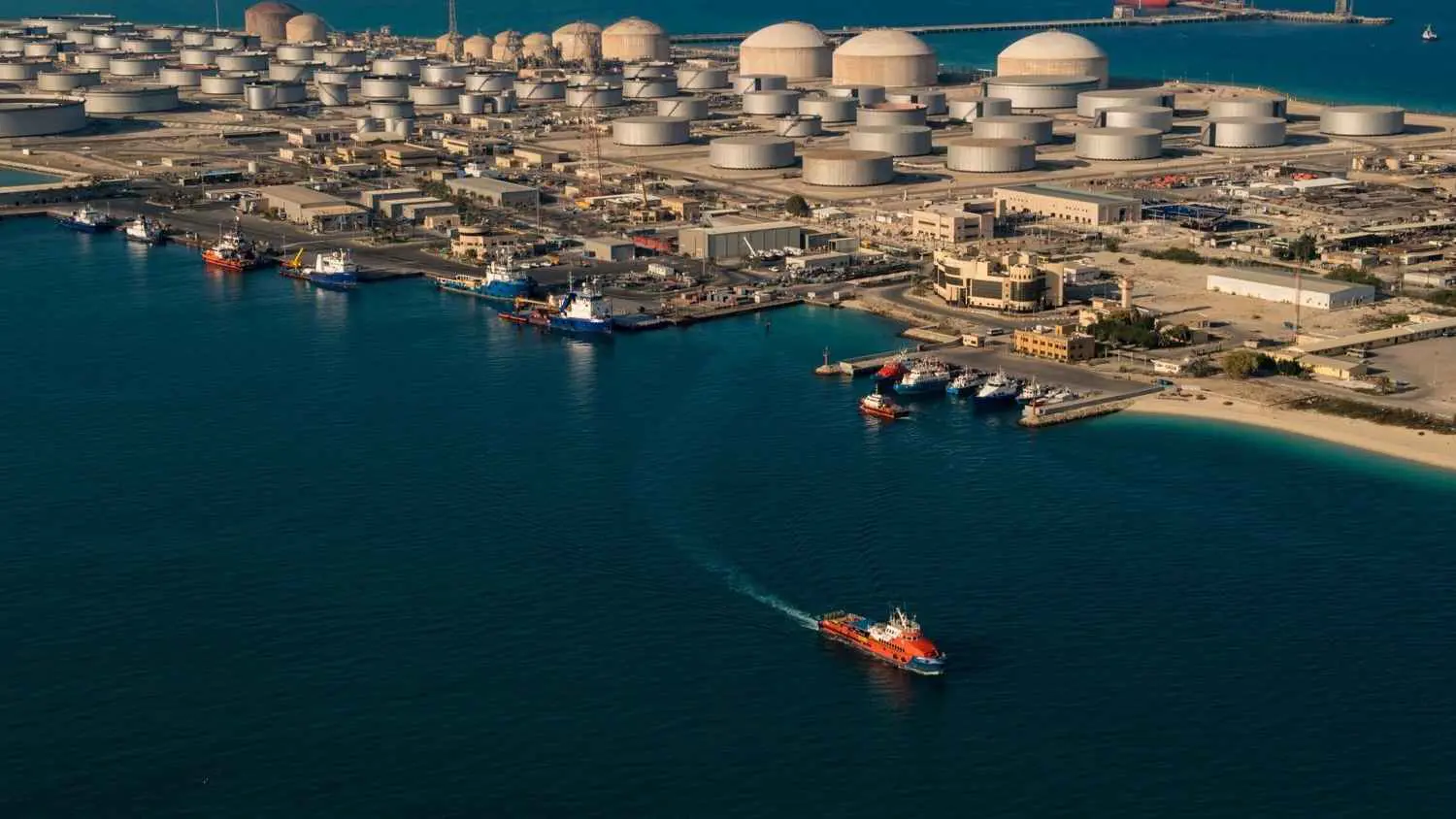
Saudi Arabia’s crude oil exports continued to grow in January 2026, rising to 6.99 million barrels per day — a 0.1 percent increase month-on-month, according to the latest data released by the Joint Organisations Data Initiative (JODI). The figures reinforce the Kingdom’s enduring status as the world’s largest crude oil exporter, even as it accelerates its economic diversification agenda under Vision 2030.
Steady Export Growth Amid OPEC+ Commitments
The January figure marks a steady upward trajectory in Saudi crude shipments, coming as the Kingdom manages its production levels in coordination with OPEC+ partners. Saudi Arabia’s total crude oil production stood at approximately 10.1 million barrels per day in January 2026, with domestic consumption accounting for the difference between production and exports. The 6.99 million bpd export figure reflects both strong international demand and the Kingdom’s careful calibration of supply to global markets.
JODI, which aggregates energy data from member countries of major international organisations including the International Energy Agency and OPEC, has long served as a reliable benchmark for tracking Saudi Arabia’s energy output. Its latest release confirms that Saudi exports remain well above the levels recorded in the third quarter of 2025, signaling a sustained recovery in global oil demand.
The Kingdom’s Role in Global Energy Markets
Saudi Arabia has consistently leveraged its vast oil reserves and export capacity to position itself as a stabilising force in global energy markets. The Kingdom holds the world’s second-largest proven crude oil reserves, and its export volumes directly influence international oil pricing, particularly the benchmark Arab Light crude that serves as a reference for buyers across Asia, Europe, and the Americas.
The January data arrives at a moment of heightened attention to global energy balances. Oil prices have remained sensitive to supply and demand signals, with analysts closely watching OPEC+ production strategies for any indication of a change in output targets. Saudi Arabia’s ability to sustain high export volumes while maintaining market discipline underlines its central role in the world’s energy supply chain.
Vision 2030 and the Energy Transition
While Saudi Arabia continues to generate the majority of its government revenues from oil exports, the Kingdom has simultaneously ramped up investments in non-oil sectors — from tourism and entertainment to advanced manufacturing and financial services. The Public Investment Fund has channelled hundreds of billions of riyals into transformational projects designed to reduce dependence on hydrocarbon revenues over the long term.
However, energy sector analysts note that robust crude exports remain central to funding these diversification efforts. Strong JODI figures for January 2026 indicate that the Kingdom is well-positioned to continue financing Vision 2030 initiatives while navigating ongoing shifts in the global energy landscape.