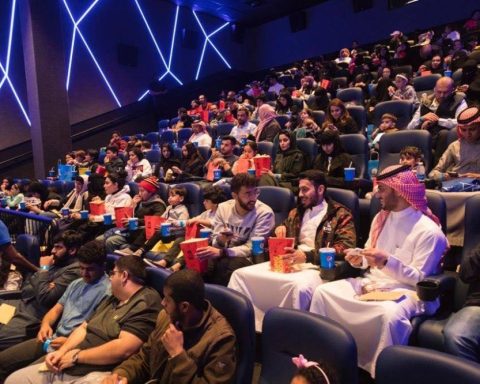


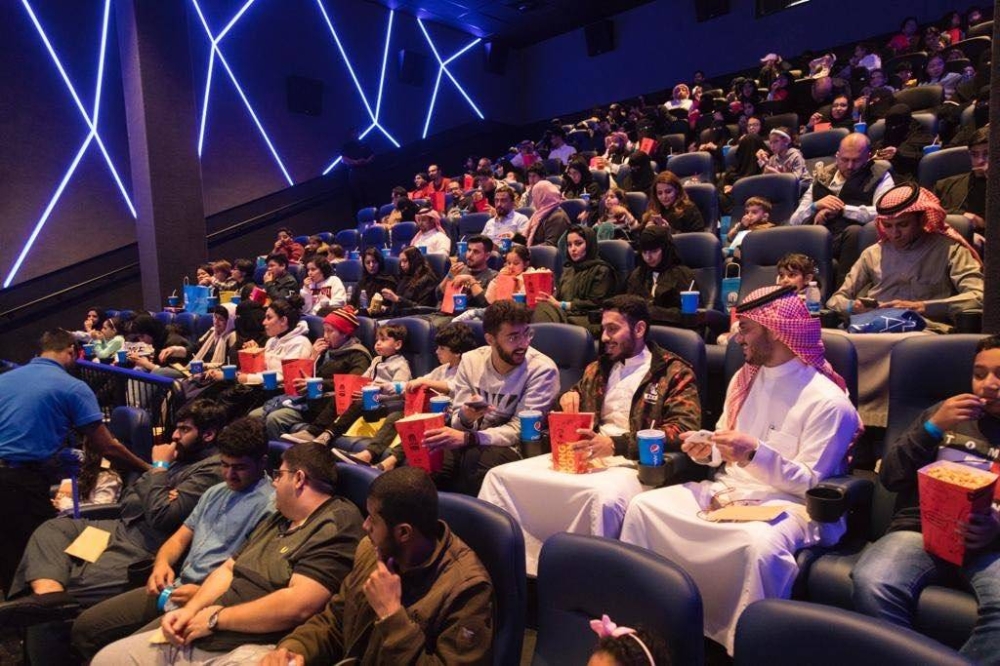
The Eid Al-Fitr holiday has become one of the most significant cinema-going periods in Saudi Arabia’s calendar — a fact that would have been unimaginable just eight years ago when the Kingdom’s first commercial cinema screen in decades opened its doors in Riyadh. Today, AMC Cinemas, Muvi Cinemas and a growing roster of operators run packed Eid schedules across the country, drawing families and young audiences to the sort of big-screen experience that is now a firmly established part of Saudi leisure culture.
From Ban to Boom: Saudi Cinema’s Rapid Rise
The Kingdom’s decision to lift its decades-long ban on commercial cinemas in late 2017, and to open the first screens in April 2018, was one of the most visible signals of the cultural transformation driven by Vision 2030. What followed was one of the fastest buildouts of cinema infrastructure in modern history. Saudi Arabia targeted 2,600 screens in over 350 locations by 2030, and the pace of that rollout has consistently exceeded initial projections. AMC — the global cinema giant — was among the first operators to enter the market, and it has since expanded to multiple locations across Riyadh and the wider Kingdom. Muvi Cinemas, the homegrown chain, has become the dominant domestic operator, with a network that now covers Saudi Arabia’s major cities and an expanding presence in secondary markets.
The Ministry of Culture tracks box office data in real time through its film platform, providing a transparent window into audience trends and sector performance that would have been unthinkable under the pre-2018 environment. The data paints a picture of a market that is young, enthusiastic and growing — one where both Hollywood blockbusters and Arab films compete for screens and audiences on terms that reflect the changing composition of what Saudi audiences want to watch.
Eid as Peak Season
The Eid Al-Fitr and Eid Al-Adha windows have emerged as the Saudi cinema industry’s equivalent of summer blockbuster season — periods when families with extended time off, disposable income and an appetite for entertainment converge on multiplexes in numbers that push weekly box office totals to their annual peaks. Cinema operators have responded by lining up their strongest titles for the holiday window, supplementing major international releases with local productions, family-friendly animation and Arabic-language content that resonates directly with Saudi and broader Arab audiences.
The broader entertainment ecosystem around cinemas has matured alongside the screens themselves. The Boulevard Riyadh, Diriyah Season, and a network of dining and leisure venues mean that a cinema visit is now typically part of a longer evening out — a shift that reflects the deeper transformation Vision 2030 has brought to how Saudis spend their leisure time. For an industry that did not exist in this form eight years ago, the Saudi cinema sector’s emergence as a genuine box office market is one of the most striking success stories in the Vision 2030 portfolio.
2026 and Beyond
Industry analysts have pointed to 2026 as a pivotal year for the Saudi cinema market, as Hollywood’s content pipeline returns to full strength following the disruptions of recent years and as local Saudi production continues to scale. The combination of a young, cinema-hungry population, a growing slate of quality content, and the continued buildout of screens in new cities and districts positions Saudi Arabia’s box office for sustained growth through the remainder of the decade and well beyond. The Eid screen counts and ticket sales of 2026 are not just a seasonal snapshot — they are a measure of how far the Kingdom’s entertainment economy has come.