

Saudi Arabia welcomed 122 million visitors in 2025 — a figure that surpasses the original Vision 2030 tourism target of 100 million ahead of schedule and signals a fundamental transformation in how the Kingdom is perceived as a global destination. The numbers, presented at the World Economic Forum 2026, have prompted Saudi tourism authorities to revise their ambition upward, with a new target of 150 million visitors set for 2030.
From Target Exceeded to New Horizon
When Vision 2030 was unveiled a decade ago, attracting 100 million tourists annually by the end of the decade was considered an ambitious benchmark — a target that required years of sustained investment in infrastructure, hospitality, entertainment and visa policy reform. Saudi Arabia reached that milestone ahead of schedule, and the progression to 122 million visitors in a single year reflects not just the scale of what has been achieved, but the momentum still building. The revised target of 150 million visitors by 2030 is no longer a stretch goal — it is a logical next step for a country that has transformed its global image with remarkable speed.
Speaking at the World Economic Forum 2026, Saudi tourism officials were direct in framing the significance of these figures. Saudi tourism, they noted, is no longer an emerging story. It is an established reality — one backed by operational infrastructure, international air connectivity and a portfolio of destinations that spans ancient heritage sites, coastal resorts, urban entertainment districts and natural landscapes.
A Portfolio of World-Class Destinations
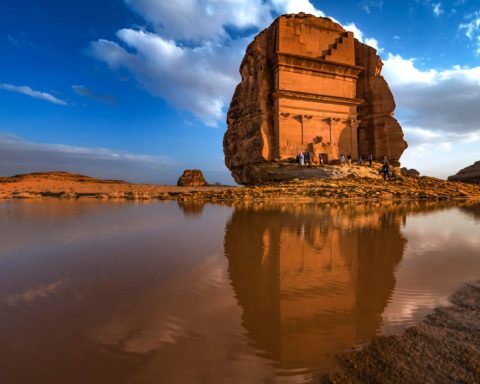
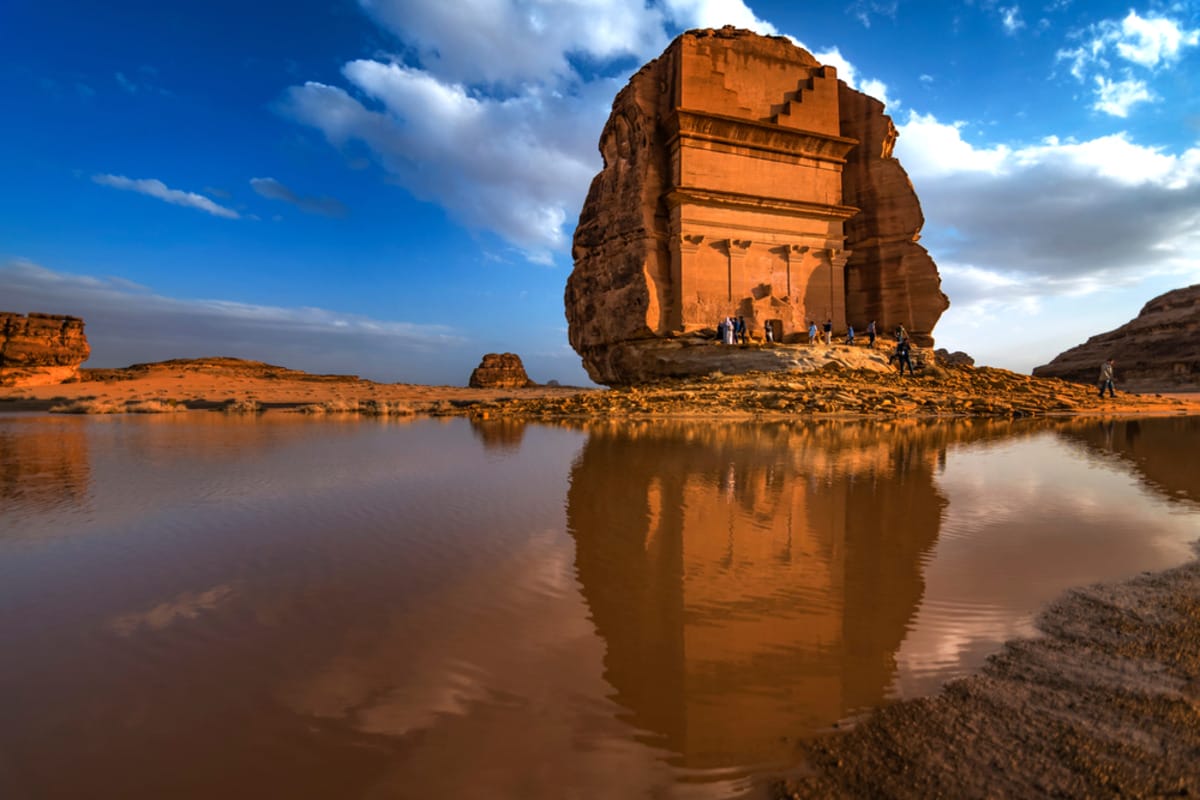
The growth in visitor numbers has been supported by a deliberate strategy of building destinations that compete on the global stage. AlUla, with its extraordinary Hegra archaeological site — the first UNESCO World Heritage site in Saudi Arabia — has attracted international attention since opening to tourism, drawing visitors from Europe, Asia and the Americas to witness Nabataean rock-carved tombs and landscapes of breathtaking scale. Diriyah, on the outskirts of Riyadh, has been developed into a cultural and heritage destination honouring the birthplace of the Saudi state. The Red Sea Project, recently recognised by Forbes Travel as the world’s first destination to earn a portfolio-wide luxury rating, is now offering visitors access to pristine coral reefs, boutique island resorts and protected natural environments unlike anything available elsewhere in the region.
The Kingdom’s entertainment offer has also expanded substantially. Riyadh Season, which concluded its sixth edition with a record 17 million visitors, has become one of the world’s largest cultural entertainment festivals. Six Flags Qiddiya City, which opened as Six Flags’ first park outside North America, has brought thrill-seeking tourism to the heart of Riyadh. SAUDIA, the national carrier, has expanded its international network in alignment with Vision 2030’s goal of positioning Saudi Arabia as a global aviation hub.
Tourism as an Economic Pillar
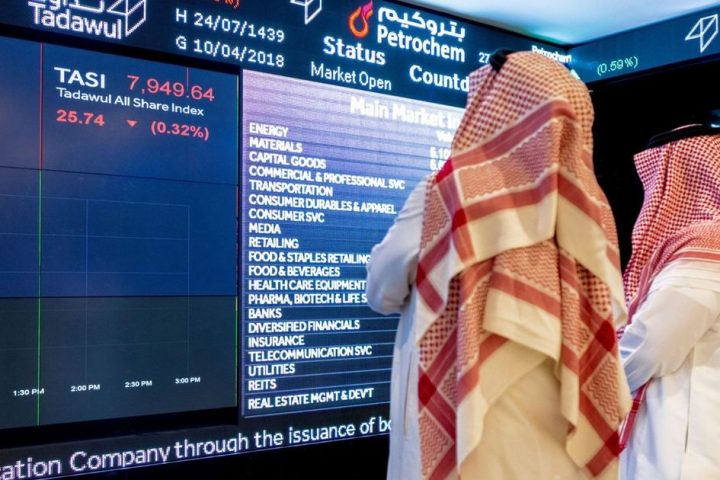
Beyond the headline visitor numbers, Saudi Arabia’s tourism sector is becoming a meaningful contributor to GDP diversification. The Finance Ministry has confirmed that the government is doubling down on tourism, manufacturing, logistics and energy as the pillars of its economic transformation strategy. With international visitor spending rising year on year and the domestic tourism market — already vibrant during holidays such as Eid Al-Fitr — continuing to deepen, the Kingdom is building a tourism economy that operates on both fronts simultaneously. The path to 150 million visitors by 2030 runs through every corner of the country, and Saudi Arabia is demonstrating that it has the ambition, the infrastructure and the destinations to get there.