

Saudi Arabia unveiled a comprehensive package of logistics and transportation initiatives at an extraordinary virtual meeting of Gulf Cooperation Council transport ministers on Friday, with the Kingdom positioning itself as the backbone of an integrated regional supply chain network. The measures, announced by Minister of Transport and Logistics Services Eng. Saleh Al-Jasser, address trucking regulations, port storage capacity, and cross-border cargo flow between GCC member states.
What the Initiatives Cover
Among the most practically significant measures is the extension of the permissible operational age of trucks entering Saudi Arabia from GCC countries to 22 years, a move that broadens the pool of eligible vehicles and eases cross-border freight movement for regional operators. Complementing this, trucks from GCC member states designated for transporting goods and refrigerated materials will now be permitted to enter Saudi Arabia empty, allowing them to pick up loads destined for other GCC countries — a flexibility that directly cuts transit costs and reduces empty-leg inefficiencies across regional supply chains.
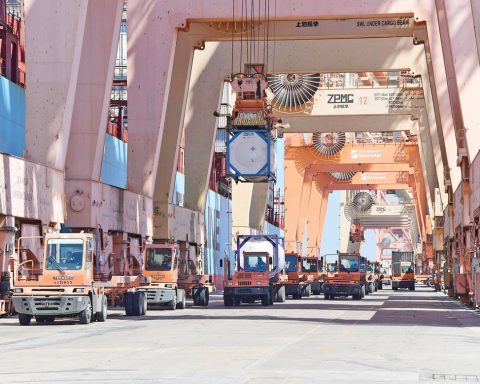
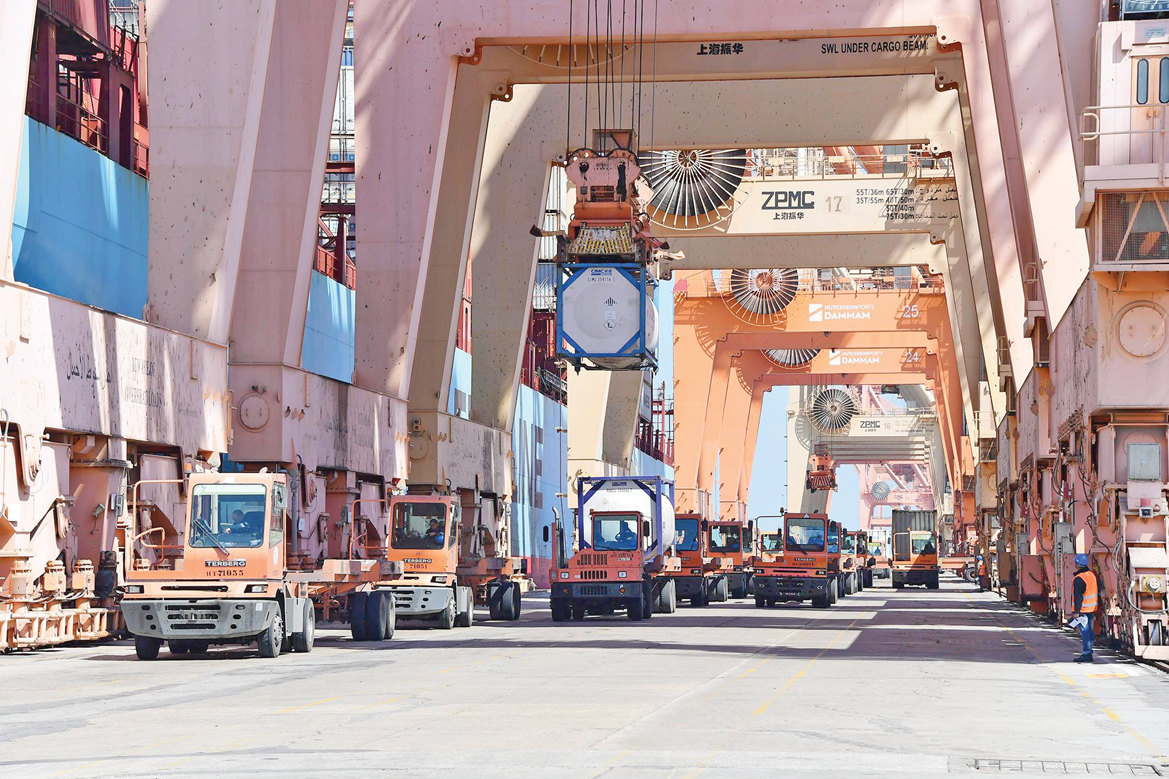
A new Gulf storage and redistribution zone initiative has also been launched to organise container movement and allocate dedicated operational zones for each GCC country within King Abdulaziz Port in Dammam. This structural change is designed to enhance storage and redistribution efficiency between the Kingdom’s eastern and western coasts, with an exemption from storage fees for up to 60 days extended to GCC imports and exports transiting the facility.
Saudi Arabia as a Regional Logistics Hub
The package builds on the Logistics Corridors Programme that Al-Jasser launched from Jeddah Islamic Port in recent weeks, through which Saudi Arabia activated alternative operational corridors for containers and goods diverted from eastern ports. The Red Sea coast ports, including Jeddah, carry a combined handling capacity exceeding 17 million containers annually — a scale that gives the Kingdom genuine heft as a transshipment gateway for the wider region.
Saudi Arabia’s ground freight infrastructure is equally formidable. The Transport General Authority has confirmed the readiness of a fleet of over 500,000 trucks operating through 18,500 licensed companies, linking ports, airports, industrial cities, and logistics zones across the country. A newly launched directory of licensed truck freight carriers on the ‘Logisti’ platform now enables local and international companies to identify approved transporters and the destinations they serve, covering both domestic routes and shipments to GCC and Arab countries.
Vision 2030 and the Logistics Ambition
The extraordinary GCC session reflects an elevated urgency around regional logistics resilience — an issue the Kingdom has prioritised as both a domestic economic driver and a geopolitical asset. Minister Al-Jasser noted that Saudi Arabia possesses extensive experience in crisis management and adapting to shifting trade conditions, with the operational flexibility to route cargo between Gulf and Red Sea ports as circumstances demand.
Within Vision 2030, logistics has been designated one of the twelve targeted sectors under the National Industrial Development and Logistics Programme. The measures announced Friday represent a further step toward Saudi Arabia’s ambition to process at least 10 percent of global trade through the Kingdom’s ports and logistics corridors — a target that today’s GCC-facing initiatives are designed to help build toward, one supply chain agreement at a time.